A multi-week study of musicians living with an intelligent instrument
What happens when musicians take an intelligent instrument home and live with it for several weeks?
Level: Honours, Masters
Length: Honours and Master projects run over two semesters.
Prerequisites: HCI experience (e.g., COMP3900/COMP6390) and interest in qualitative research methods. Musical experience is essential.
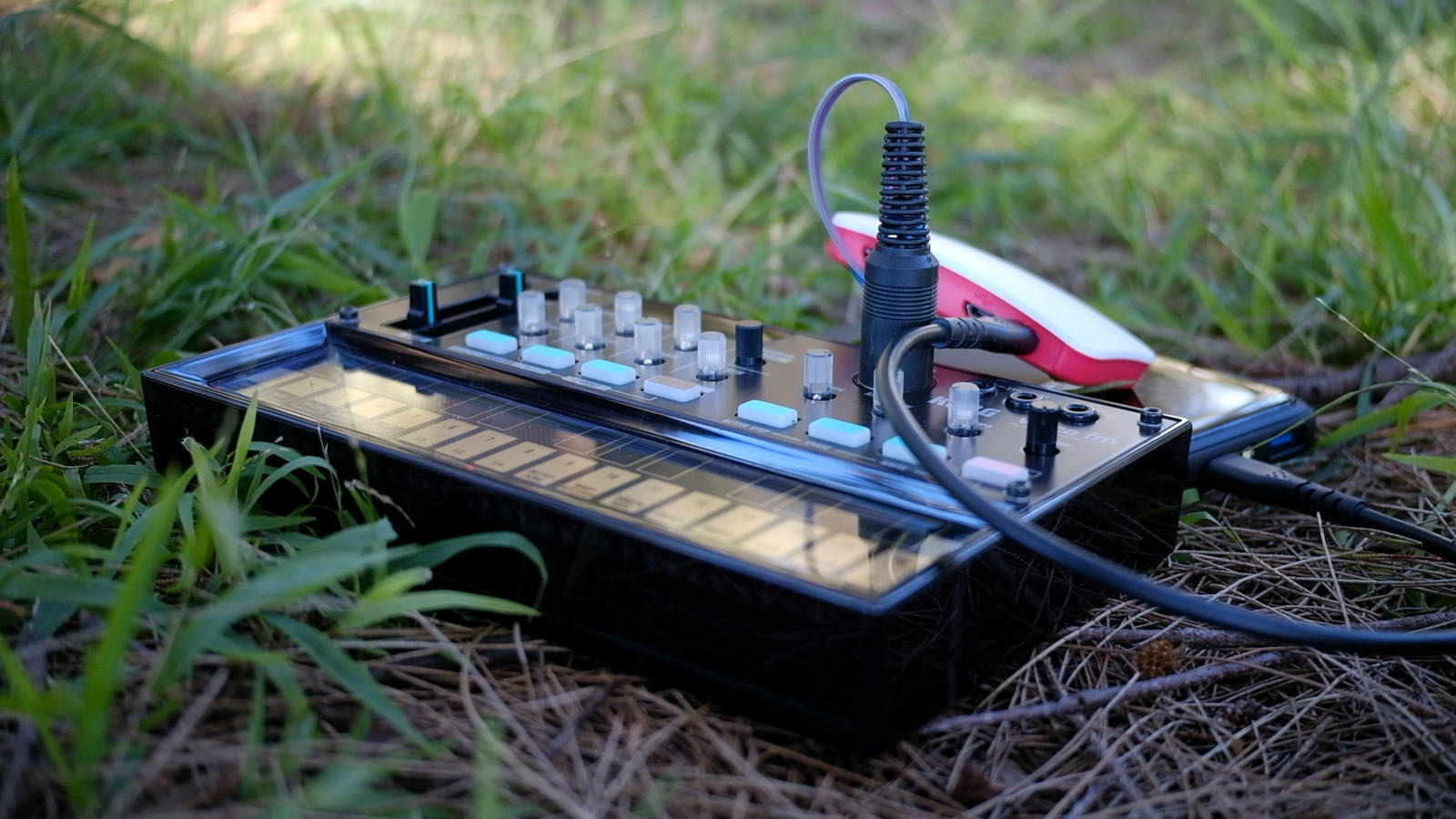
Previous lab studies of our intelligent instruments (EMPI, an earlier physical instrument, and impsy-web, the browser version of IMPSY) lasted under an hour, which wasn’t long enough for musicians to build up a useful dataset. This project will be a longitudinal study: a small group of musicians take an IMPSY instrument home for several weeks, play it, collect data, retrain their model, and reflect on the experience.
You’ll recruit participants, run onboarding sessions, collect diaries, interaction logs, and interviews, and measure creative experience with the Creativity Support Index at the start and end of the study. Human ethics approval for this study already exists, and you’ll be added to the protocol at the start of your project so you can begin recruiting early.
- Minimum: 5 participants over a 4-week field period; thematic analysis of diaries and interviews.
- Stretch: up to 8 participants or a longer field period; analysis that links what participants say to changes in their logs and models.
Instruments and a retraining procedure are provided by the lab. If new update methods from the related project on updating small-data models are ready, the study can use them; otherwise, models are retrained from scratch, which already works.
Background reading
- Martin, C. P., Glette, K., Nygaard, T. F. and Torresen, J. (2020). Understanding Musical Predictions with an Embodied Interface for Musical Machine Learning. Frontiers in AI (user study of EMPI, a physical predictive instrument and precursor to IMPSY).
- Martin, C. P. (2026). Opening the Design Space: Two Years of Performance with Intelligent Musical Instruments. NIME 2026.
- Morreale, F. and McPherson, A. (2017). Design for Longevity: Ongoing Use of Instruments from NIME 2010-14. NIME 2017.
- Cherry, E. and Latulipe, C. (2014). Quantifying the Creativity Support of Digital Tools through the Creativity Support Index. ACM TOCHI.
Tags: #HCI #user-study #longitudinal #music #IMPSY
How to apply
Contact Charles Martin with your CV, your unofficial transcript (if you are an ANU student), and a brief statement (200 words) explaining how you would approach this project. Before applying, read the Join page and our project expectations.