## Announcements

- Assignment 2 is being marked. The final project is out, and [the repo is ready to fork](https://gitlab.comp.anu.edu.au/comp3900/2026/comp3900-2026-A3-final-project).
- Last Monday was a public holiday, so the “Statistical Analysis” lecture will be a recording (details on Ed).
- This week’s tutorial is *Prototyping for Evaluation*: start thinking about what your final project prototype needs to be testable.
- There’s a new workshop for week 12: *Positionality*
- Course now shifts to support your final project which combines skills from A1 and A2.

## Plan for the class

1.  Final Project Details
2.  The goals, and the why
3.  Cognitive Aspects of Interaction
4.  Social Interaction
5.  Emotional Interaction

# Final Project Details

- a complete design and evaluation process for a prototype interactive system
- design a prototype in response to a real-world problem
- evaluate this system using HCI research methods
- report on the results

<div class="info-box">

**Note:** the primary submission document is a 5-minute recorded presentation! (make it good!)

</div>

## Final Project Research Challenge

> **Sustainable living through technology**: You woke up this morning, checked your email, and found that you have a new job—*ANU Student Lead for Sustainable Living*!

> Your challenge is to help university students adopt sustainable behaviours in their everyday lives guided by the [UN Sustainable Development Goals (SDG)](https://sdgs.un.org/goals) which call for urgent action on climate change, responsible consumption, and sustainable communities.

> You will need to *choose a focus* (e.g., energy use, waste reduction, transportation, consumption), *prototype* and *evaluate* an interface to make sustainable living more accessible, engaging or effective. Your system should involve a level of *non-standard interaction*, either through unusual use of standard computer IO hardware, or a novel interface.

(what is *non-standard interaction*?)

## Final Project Specification

- include documentation of a **testable** prototype, research question, evaluation plan, data collection, data analysis, and articulation of findings
- include a **video recording** of a presentation which follows the provided headings: `project-presentation.mp4`
- include documentation in `project-documentation.md` which follows the provided headings (**N.B.:** this text may be a transcript of your spoken presentation with references and images, it may also be a slightly different text.)

<div class="warn-box">

**Due Thursday 5 November, 23:59 AEDT.** The video must be no longer than **330 seconds** (5 minutes plus 10%; the CI job rejects anything longer). Participants **must be current COMP3900/6390 students**: find 3–5 people in your tutorial now and take part in each other’s studies.

</div>

## Final Project Sections

Your presentation and documentation will have the following sections:

1.  **Research Question, Plan, and Conclusions**

2.  **Prototype Design and Features**

3.  **Research Data, Analysis and Findings**: N.B. you can choose to collect either qualitative, quantitative, or both

4.  **COMP6390 Only—Positionality Statement**: critically reflect on your presence and influence within the technology design process in a [statement of positionality](https://smcclab.au/thirty-nine-hundred-hci/lectures/06-reflexive-thematic-analysis.html#/reflexivity).

Just these sections! Really!

## Video Presentation

<div class="columns">

<div class="column" width="50%">

- clear and concise covering the section headings above
- understandable audio **spoken by you**
- must include **video of your face** while presenting in the presentation
- must include at least 5 but no more than 10 slides
- title slides, personal introductions, tables of contents, reference slides are **not required** (waste of time!)

</div>

<div class="column" width="50%">

Suggested recording method: [Microsoft Powerpoint’s built-in recording tool](https://support.microsoft.com/en-au/office/record-a-slide-show-with-narration-and-slide-timings-0b9502c6-5f6c-40ae-b1e7-e47d8741161c#OfficeVersion=2013%2C_2016&officeversion=newer_versions)

<div class="error-box">

**Not allowed:** no genAI or text-to-speech for the video presentation!

</div>

</div>

</div>

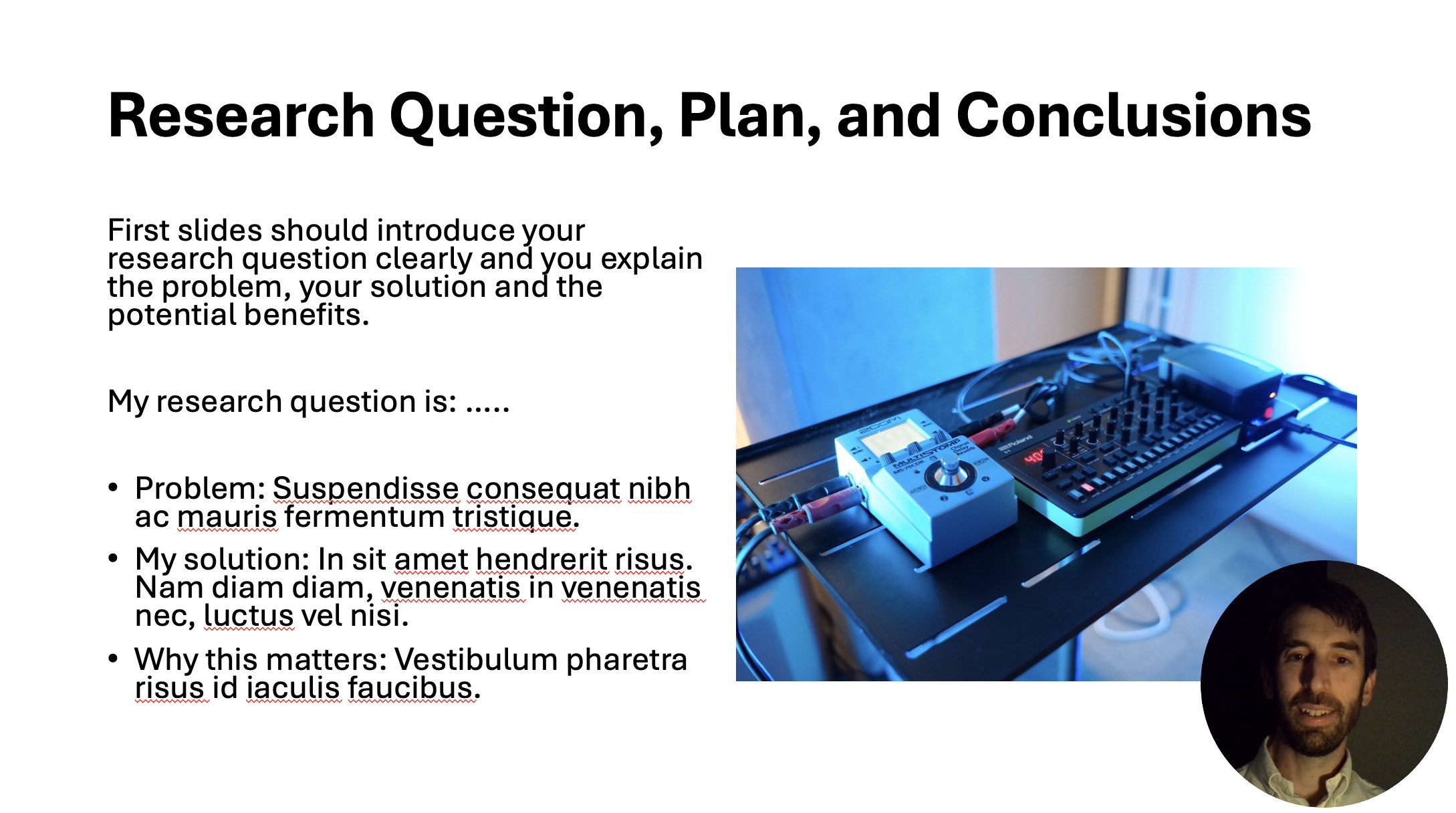
## What should my video look like?

<figure>
<img src="img/comp3900-final-project-demo-slide.jpg" style="width:70.0%" alt="A presentation slide titled Research Question, Plan, and Conclusions. Left: a short instruction paragraph, the line My research question is, and three bullets for problem, solution and why this matters, with placeholder text. Right: a photo of a guitar pedal and a Roland drum machine on a stand under blue light. Bottom right: a circular webcam video of Charles speaking." />
<figcaption>Example slide recorded in PowerPoint. We’ll try this in a demo!</figcaption>
</figure>

## Questions on the Final Project

We will talk more about the final project each week.

Next week: I’ll demonstrate recording a presentation in PowerPoint.

<div class="talk-box">

**Talk:** 🙋🏽‍♀️🤷💁🏻🗣️ Who has a question about the final project? (Or anything else?)

</div>

# The “why” behind user experience

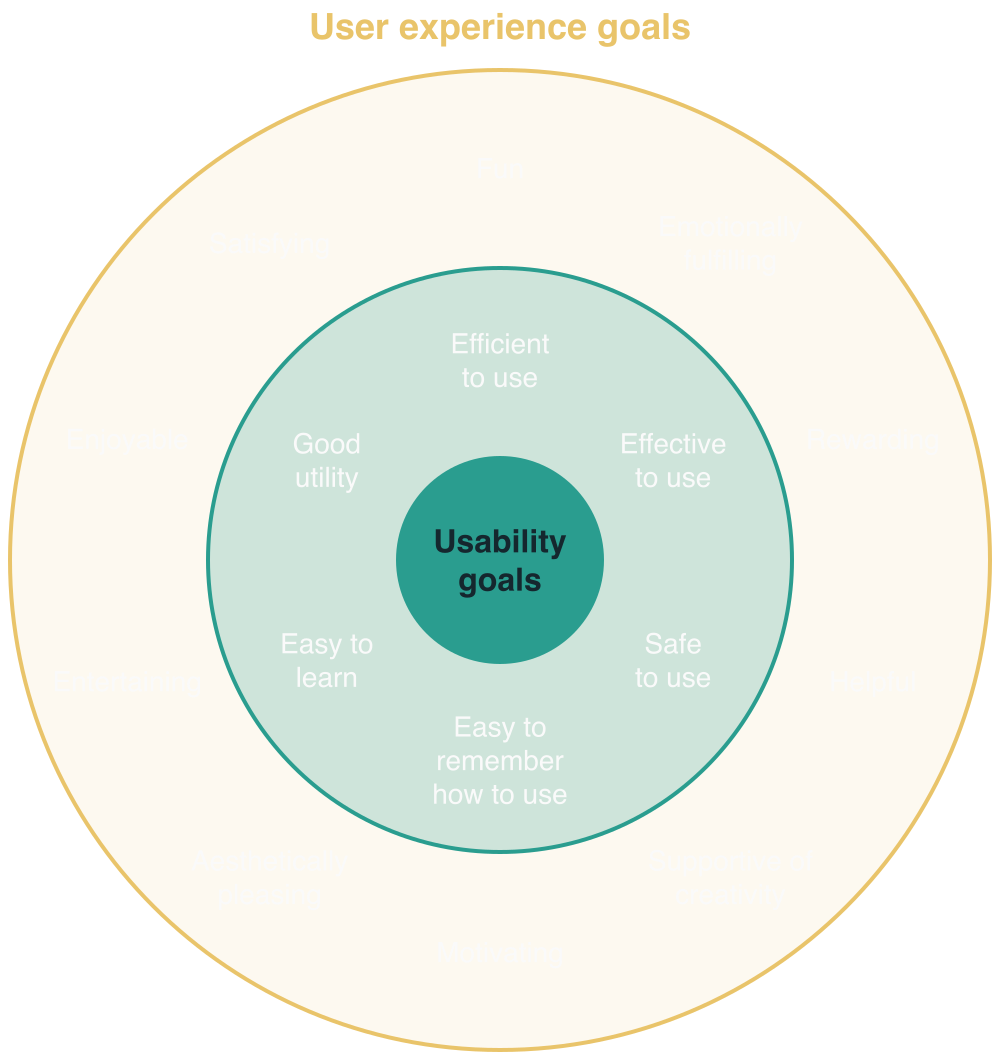
At the start of this course we discussed goals for our systems: usability and user experience.

We found ways to measure them and design for them?

This week is about **why** people experience an interface the way they do and how this shows up in HCI research and practice.

## Why does an interface feel the way it does?

<div class="columns">

<div class="column" width="55%">

“Easy”, “frustrating”, “fun”, “lonely”, “creepy” relate to how users’ brains and bodies do with technology.

- **Cognitive:** what a brain can notice, remember and figure out
- **Social:** how our experience with technology connects with our social existence
- **Emotional:** feeling are fast and deep, and affect every aspect of our experience.

For each of these aspects, we will talk about how they show up in everyday experience, research that explains it, what to design, and what it might means for your final project.

</div>

<div class="column" width="45%">

<figure>
<img src="img/usability-ux-goals.svg" style="width:72.0%" alt="Diagram: six usability goals in an inner circle surrounded by a ring of user experience goals such as fun, motivating, emotionally fulfilling and aesthetically pleasing" />
<figcaption>Week 1: usability goals inside user experience goals, after <span class="citation" data-cites="rogers-beyond-hci:2023">Rogers et al. (<a href="#ref-rogers-beyond-hci:2023" role="doc-biblioref">2023</a>)</span></figcaption>
</figure>

</div>

</div>

# Cognitive Aspects

Why does an interface feel *easy* or *hard*?

- Because of the way our brain works!
- Things we notice, remember, attend to…
- and the way an interface works with or against our cognitive capabilities.

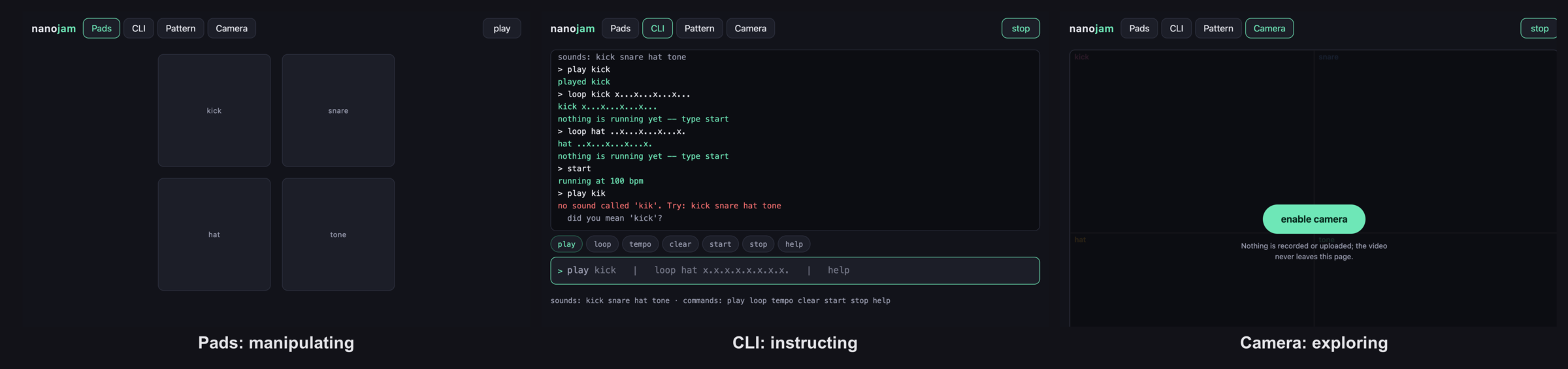
## Demo: cognition you can feel

<figure>
<img src="img/nanojam-interfaces.png" style="width:100.0%" alt="nanojam (week 7): same sounds, same engine, only the interaction differs. https://charlesmartin.au/nanojam/" />
<figcaption aria-hidden="true">nanojam (week 7): same sounds, same engine, only the interaction differs. <a href="https://charlesmartin.au/nanojam/" class="uri">https://charlesmartin.au/nanojam/</a></figcaption>
</figure>

<div class="think-box">

**Watch for:** which interface I play without thinking, what I have to *remember* on the command line, and what happens when I get a command wrong.

</div>

<div class="notes">

Talkthrough, driven from the lectern. URLs: pads `https://charlesmartin.au/nanojam/#ui.interface=pads`; CLI with sound names hidden `https://charlesmartin.au/nanojam/#ui.interface=cli&cli.hiddenLabels=true`. Nothing is logged.

1.  Pads: tap kick, snare, hat. Everything you can do is on screen; you just point at it (recognition).
2.  CLI, names hidden: type `loop kick x...x...` and `start`. Now ask the room what the snare is called. You have to *remember* the vocabulary (recall).
3.  Mistype a command (e.g. `play kik`) and point at what the interface does and doesn’t tell you (gulf of evaluation, later).
4.  Ask the room: from that one command, what do you think `loop` does? (mental models, later).

</div>

## Cognition

<div class="columns">

<div class="column" width="55%">

> The action or faculty of knowing taken in its widest sense, including sensation, perception, conception, etc., as distinguished from feeling and volition… (OED)

Two modes ([Kahneman, 2011](#ref-kahneman-fast-slow-thinking:2011)):

- **Experiential** (fast): 2 + 2 =
- **Reflective** (slow): 312 x 56 =

Six processes we could design for: attention, perception, memory, learning, reading/speaking/listening, and problem solving/decision making. ([Eysenck & Brysbaert, 2023](#ref-eysenck-brysbaert:2023))

</div>

<div class="column" width="45%">

<figure>
<img src="img/mathilda-khoo-HLA3TAFQuQs-unsplash.jpg" style="width:60.0%" alt="(Photo by Mathilda Khoo on Unsplash)" />
<figcaption aria-hidden="true">(Photo by Mathilda Khoo on Unsplash)</figcaption>
</figure>

</div>

</div>

## Attention: interruptions cost more than they look

<div class="columns">

<div class="column" width="60%">

Attention is *selection*. Context switching costs us time.

- **Everyday distractions:** a notification lands and you forget what you were doing..
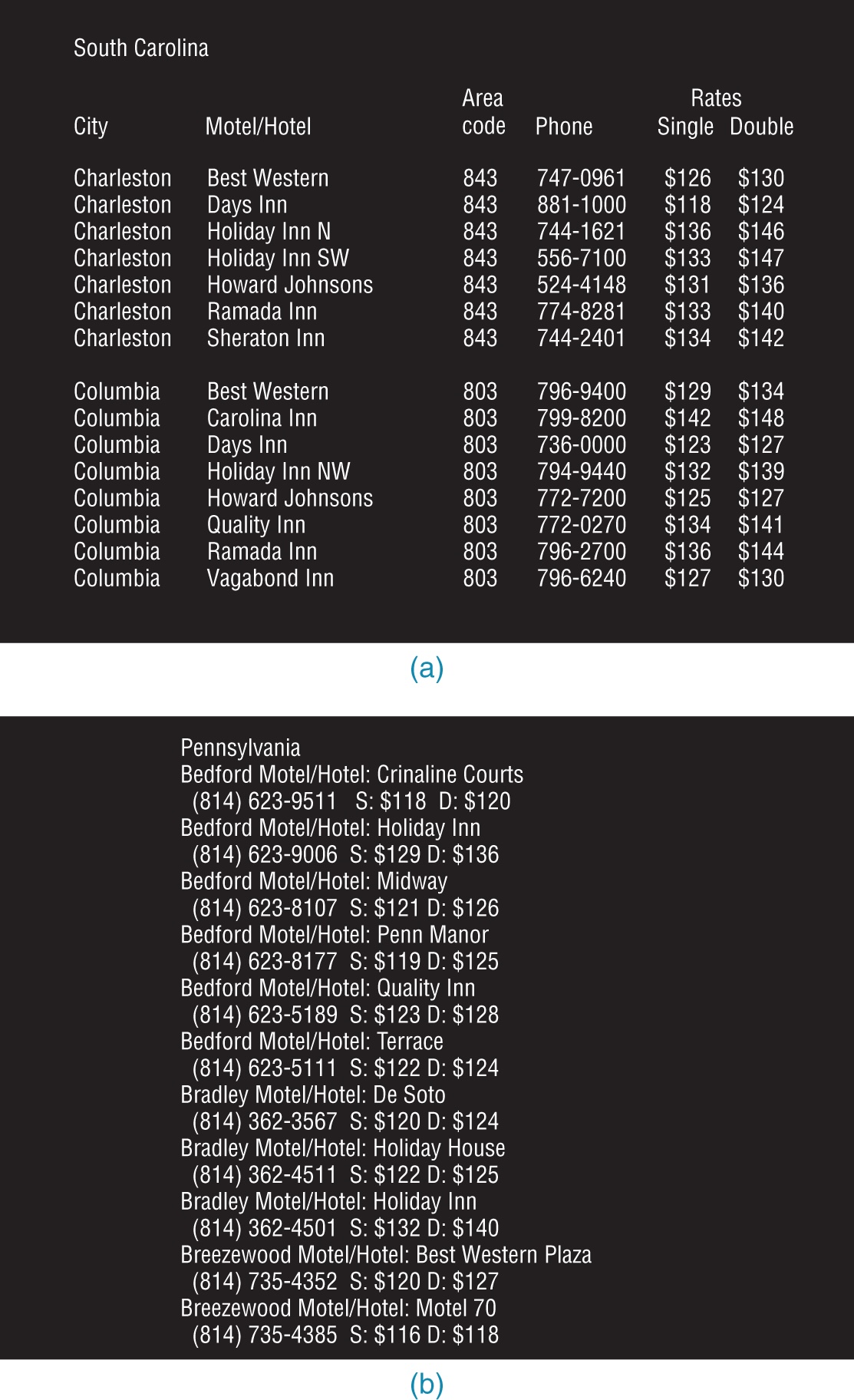
- **Research:** the same motel data, structured, was found in 3.2 s vs 5.5 s ([Rogers et al., 2023, p. 104](#ref-rogers-beyond-hci:2023)). Smartwatch wearers fitted glances into pauses in conversation, and still felt the pull of “trying to not listen to your watch” ([Pizza et al., 2016](#ref-pizza-smartwatch-in-vivo:2016)).
- **Design:** salient *when* needed (colour, motion, order, space); no clutter; support leaving and returning.
- **Your project:** pings or interruptions competes with life. When must they *not* appear?

</div>

<div class="column" width="40%">

<figure>
<img src="img/structuring-information.jpg" style="width:42.0%" alt="Structured and unstructured information text (Rogers et al., 2023)" />
<figcaption aria-hidden="true">Structured and unstructured information text <span class="citation" data-cites="rogers-beyond-hci:2023">(<a href="#ref-rogers-beyond-hci:2023" role="doc-biblioref">Rogers et al., 2023</a>)</span></figcaption>
</figure>

</div>

</div>

## Perception: why one thing pops out and ten things don’t

<div class="columns">

<div class="column" width="60%">

A target unique in one feature (colour, shape, size, motion) is found quickly without searching; a *combination* of features has to be checked item by item ([Treisman & Gelade, 1980](#ref-treisman-feature-integration:1980)).

- **Everyday clutter:** a red icon among many coloured ones is invisible.
- **Research:** grouping speeds up menu search, but only with a few large groups ([Brumby & Zhuang, 2015](#ref-brumby-visual-grouping-menus:2015)).
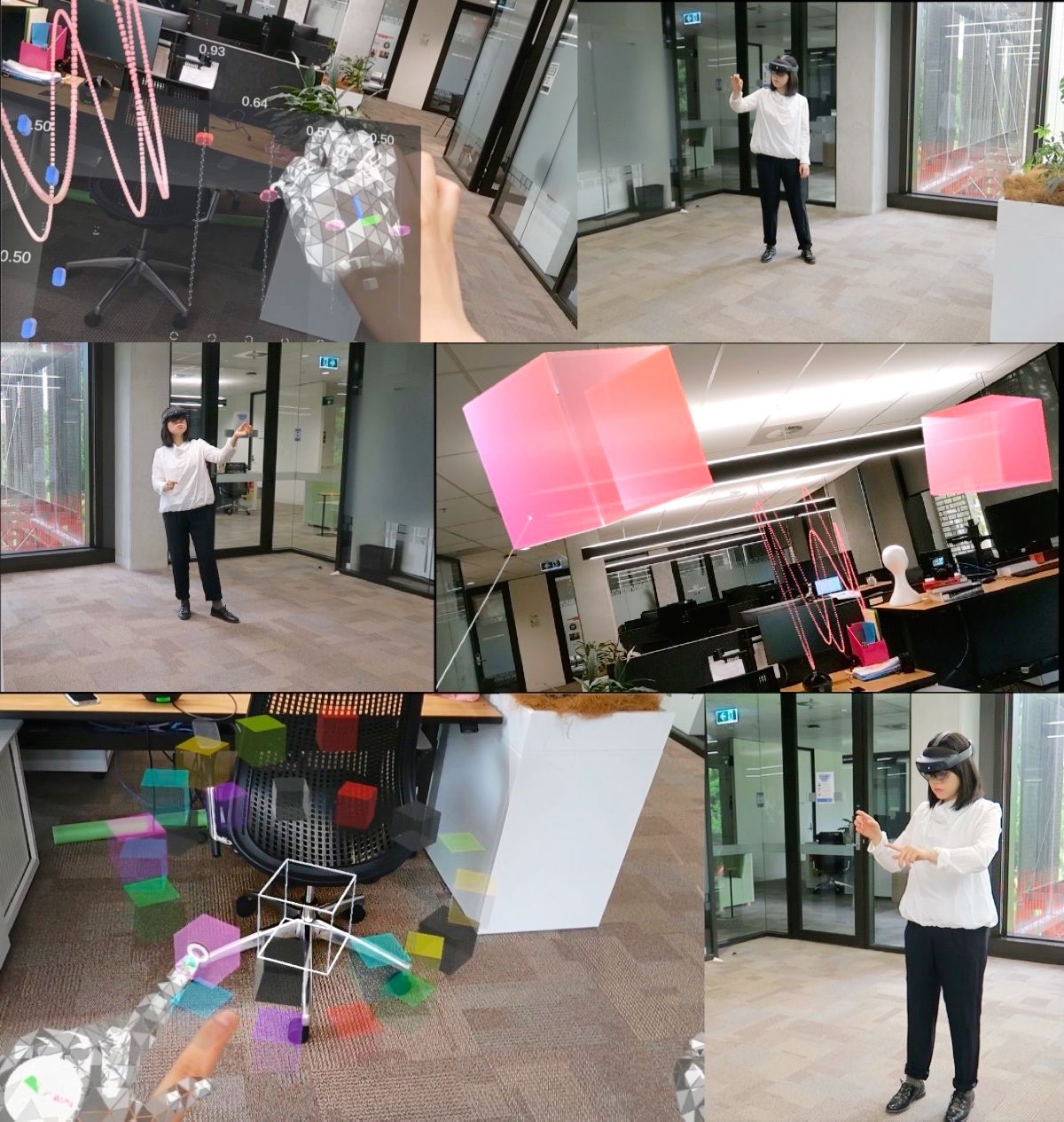
- **Design:** distinguishable icons; white space to group; colour sparingly, with contrast; earcons that differ in rhythm, not just pitch; haptics for user-initiated actions.
- **Your project:** what is the *one* thing a glance at your prototype communicates?

</div>

<div class="column" width="40%">

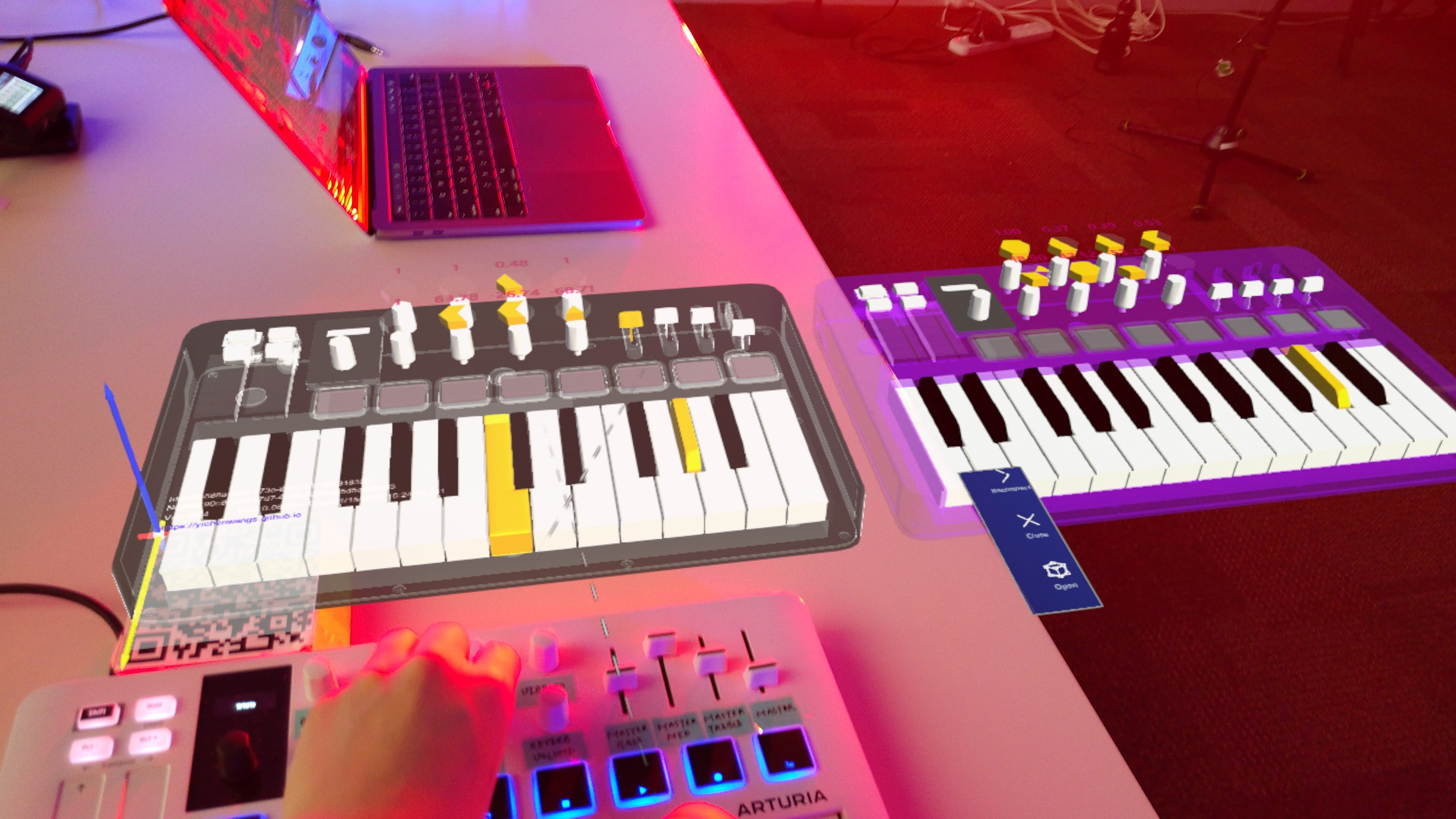
<figure>
<img src="img/2022-cubing-sound-designs.jpg" style="width:100.0%" alt="Layout of music controls in AR changes what is perceived (Wang &amp; Martin, 2022)" />
<figcaption aria-hidden="true">Layout of music controls in AR changes what is perceived <span class="citation" data-cites="wang-cubing-sound:2022">(<a href="#ref-wang-cubing-sound:2022" role="doc-biblioref">Wang &amp; Martin, 2022</a>)</span></figcaption>
</figure>

</div>

</div>

## Memory: recognition beats recall

<div class="columns">

<div class="column" width="60%">

Think back to the demo: Pointing at a pad beats remembering a command.

- **The myth:** “7 ± 2” ([Miller, 1956](#ref-miller-magical-number-seven:1956)) was items recalled after one presentation, not menu length. Menus are *scanned*, so 30 items can be fine ([Rogers et al., 2023](#ref-rogers-beyond-hci:2023), box 4.2).
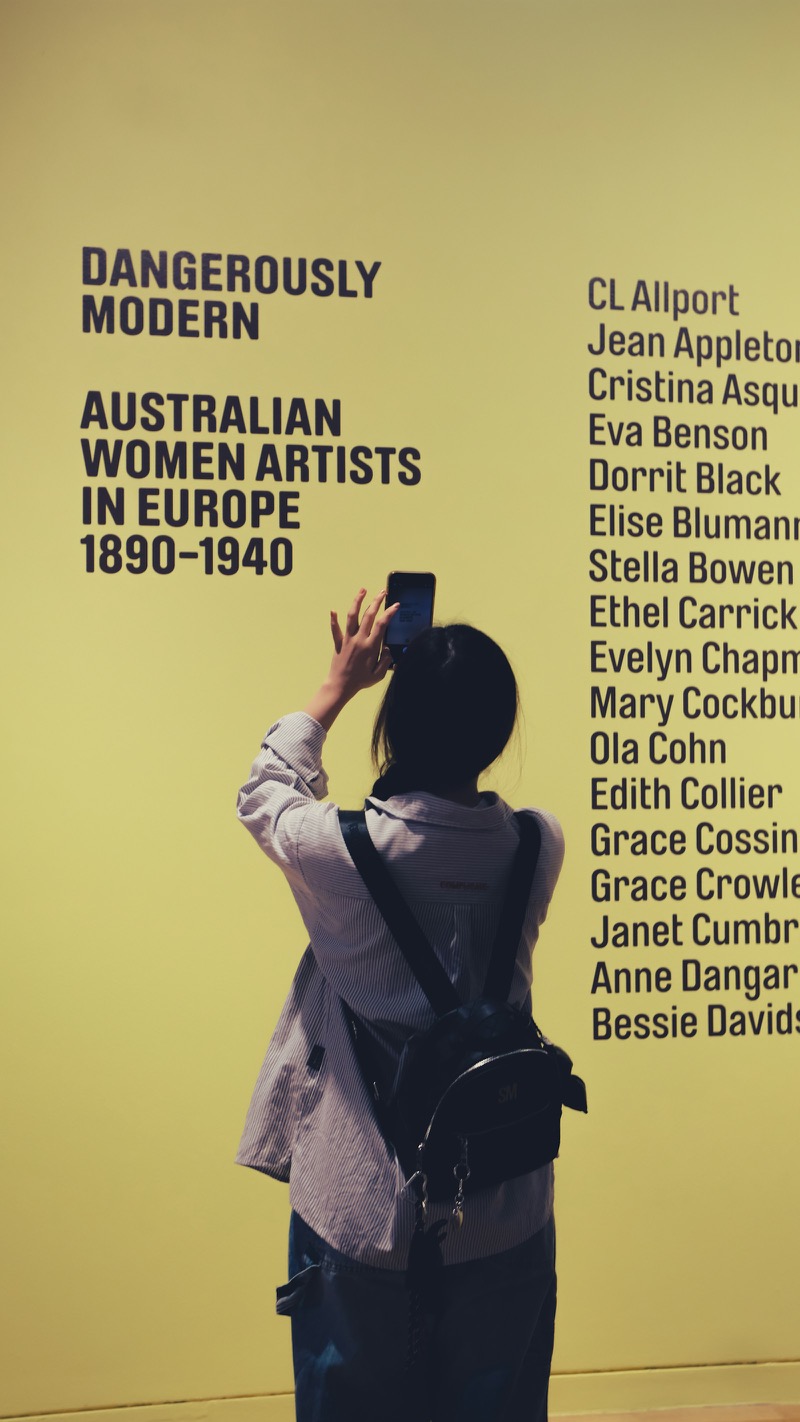
- **Research:** gestures people defined themselves were recalled up to 44% better than designer-defined ones ([Nacenta et al., 2013](#ref-nacenta-memorability-gestures:2013)). People remembered less about museum objects they had photographed ([Henkel, 2014](#ref-henkel-point-and-shoot:2014)). The less confident we feel, the more we offload to devices, whatever our memory is actually like ([Gilbert et al., 2022](#ref-gilbert-intention-offloading:2022)).
- **Design:** recognition over recall; short procedures; consistency; let people label things.

</div>

<div class="column" width="40%">

<figure>
<img src="img/annie-hatuanh-mcqf1obI9cI-unsplash.jpg" style="width:50.0%" alt="A gallery visitor, seen from behind, photographs the title wall of an exhibition on her phone" />
<figcaption>Photo by Annie Hatuanh on Unsplash</figcaption>
</figure>

</div>

</div>

## Learning: nobody reads the manual

<div class="columns">

<div class="column" width="60%">

Intentional learning is hard work; incidental learning (faces, routes, where the button was) is nearly free. People prefer to learn by *doing*, which only works if doing is safe ([Rogers et al., 2023, p. 119](#ref-rogers-beyond-hci:2023)).

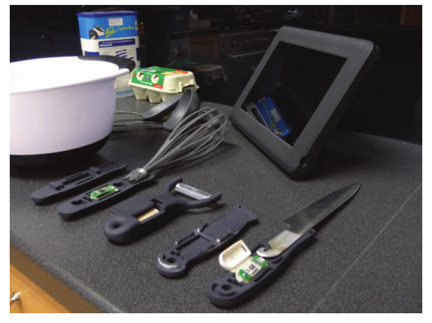
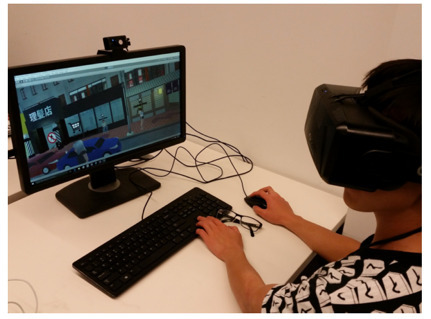
- **Research:** in a sensor-equipped French-speaking kitchen requested help beat prompts ([Hooper et al., 2012](#ref-hooper-french-kitchen:2012)); VR taught Japanese learners when to bow ([Cheng et al., 2017](#ref-cheng-language-culture:2017)). Dancers learn by *marking* (abbreviated moves), which beat full run-throughs ([Kirsh, 2013](#ref-kirsh-embodied-cognition:2013)).
- **Design:** invite exploration, make mistakes cheap (undo), constrain early and loosen later: the “zone of proximal development”.
- **Your project:** your participants get one session. What can they learn by doing in five minutes?

</div>

<div class="column" width="40%">

<figure>
<img src="img/cognitive-social-emotional_1_learning_a.jpg" style="width:45.0%" alt="(Hooper et al., 2012)" />
<figcaption aria-hidden="true"><span class="citation" data-cites="hooper-french-kitchen:2012">(<a href="#ref-hooper-french-kitchen:2012" role="doc-biblioref">Hooper et al., 2012</a>)</span></figcaption>
</figure>

<figure>
<img src="img/cognitive-social-emotional_2_learning_b.jpg" style="width:45.0%" alt="(Cheng et al., 2017)" />
<figcaption aria-hidden="true"><span class="citation" data-cites="cheng-language-culture:2017">(<a href="#ref-cheng-language-culture:2017" role="doc-biblioref">Cheng et al., 2017</a>)</span></figcaption>
</figure>

</div>

</div>

## Deciding: people stick with what they know

<div class="columns">

<div class="column" width="60%">

Reflective cognition is slow and expensive, so everyday decisions run on fast heuristics.

- **Research:** shoppers buy the brands they know and spend seconds per choice; information for a greener or healthier choice has to arrive *at the shelf*, in the moment, to count ([Todd et al., 2011](#ref-todd-nudging-trolley:2011)).
- **Design:** help people improve, not just complete; simple memorable functions; let people configure.
- **Reading, speaking, listening** differ too: reading is faster, listening is less effort, writing persists, speech vanishes. Speech menus of 3 or 4; text that can be enlarged.
- **Your project:** a sustainable choice competes with habits. Where and when does your interface put its information?

</div>

<div class="column" width="40%">

<figure>
<img src="img/melanie-lim-246b6c6IeC0-unsplash.jpg" style="width:50.0%" alt="A masked shopper reaches into a densely stocked supermarket shelf under a Healthy living sign" />
<figcaption>Photo by Melanie Lim on Unsplash</figcaption>
</figure>

</div>

</div>

# Cognitive Frameworks

Ways of explaining the *why* that HCI has built up:

- mental models
- the gulfs
- information processing
- distributed and external cognition
- embodied interaction

## Conceptual models and mental models

<div class="columns">

<div class="column" width="60%">

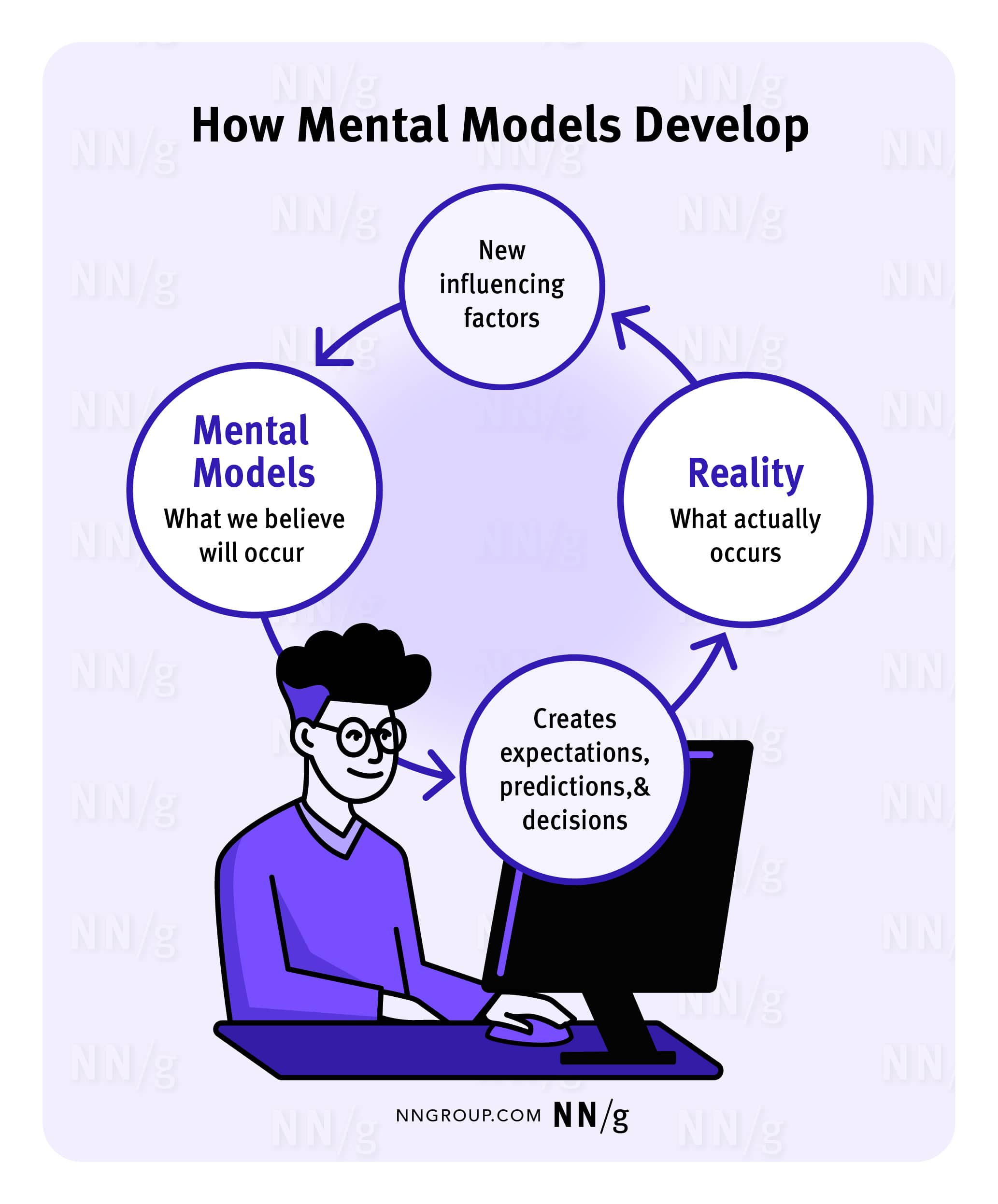
The designer’s **conceptual model** (metaphors, concepts, mappings) is expressed through the interface; the user builds their own **mental model** from what they see, and it can be wrong.

- **Have you ever** turned the thermostat to maximum to heat the room *faster*? Most people hold a “valve theory” (more is more) that fits a tap, not a switch ([Kempton, 1986](#ref-kempton-home-heat-control:1986)). Similarly, pressing the lift button twice. A third of users are confused by programmable thermostats ([Hornbæk et al., 2025, p. 742](#ref-hornbaek-intro-hci:2025)).
- Mental models are “incomplete, easily confusable, and based on inappropriate analogies and superstition”. Design helps with apt metaphors, visible state and contextual help.

</div>

<div class="column" width="40%">

<figure>
<img src="img/mental-models-nngroup.jpg" style="width:80.0%" alt="Mental Models (nngroup)" />
<figcaption aria-hidden="true"><a href="https://www.nngroup.com/articles/mental-models/">Mental Models (nngroup)</a></figcaption>
</figure>

</div>

</div>

<div class="notes">

Demo callback: ask what the command line volunteer thought `loop` did. That is a mental model being built from one observation.

</div>

## Case Study: Snapchat’s Redesign (February 2018)

<div class="columns">

<div class="column" width="45%">

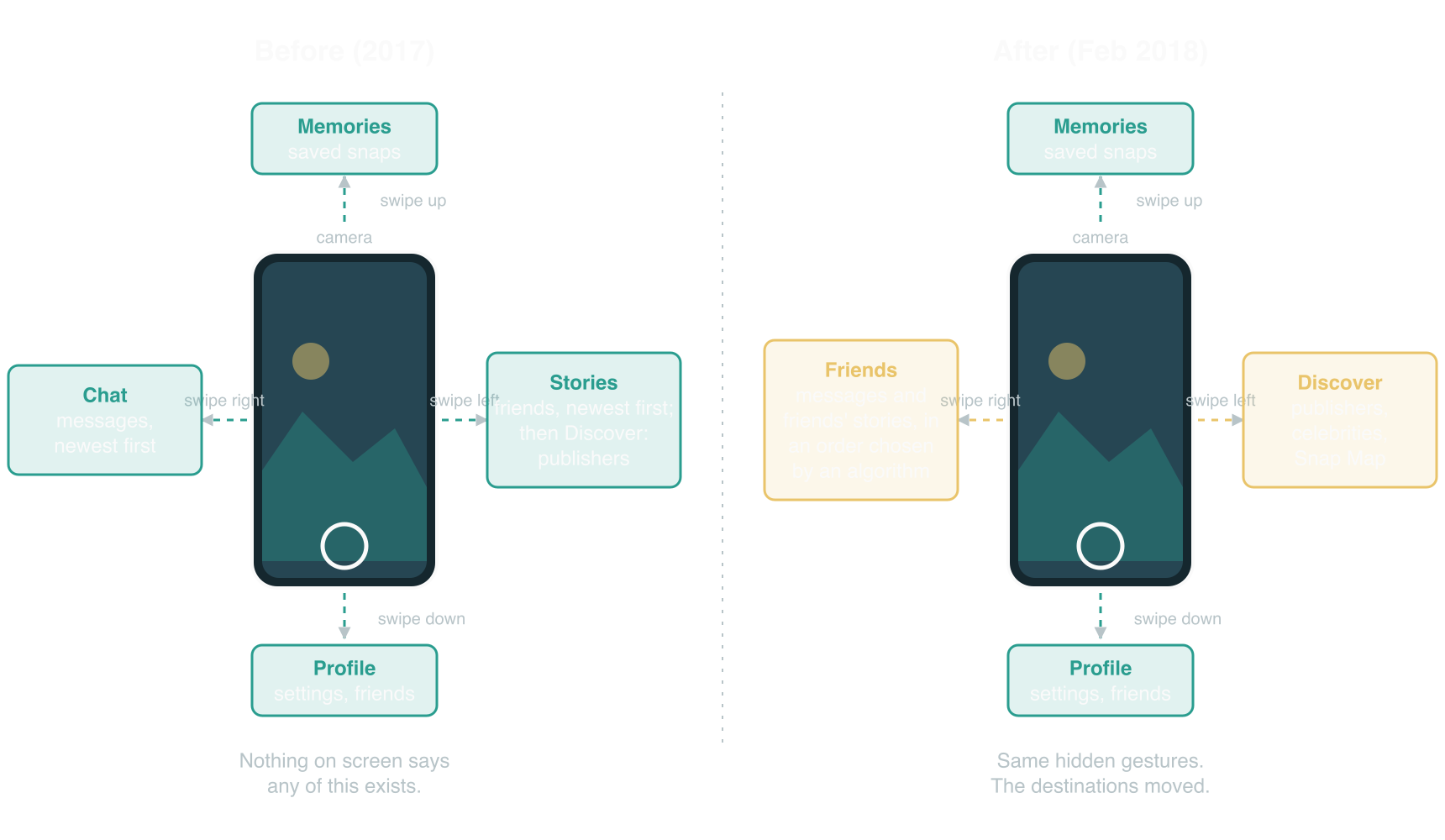
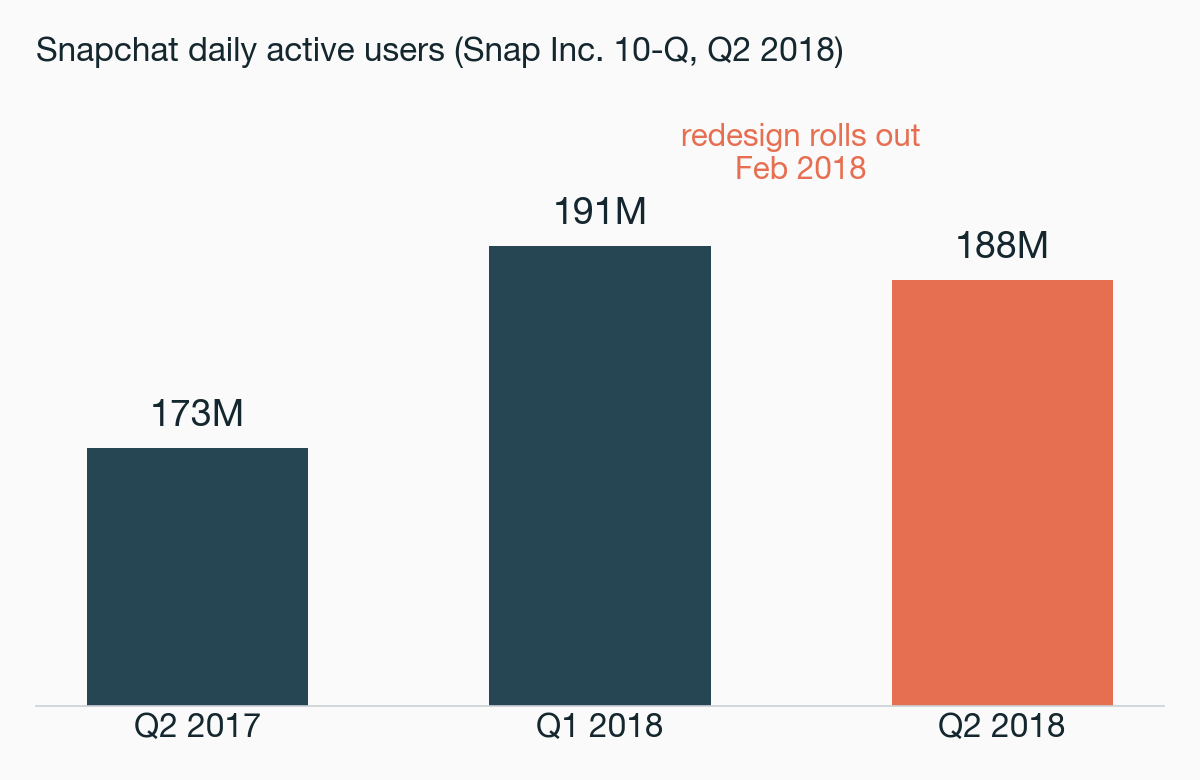
Snapchats interface is unlabelled swipes. Spiegel: “difficult to understand or hard to use” ([Snap Inc., 2017](#ref-snap-q3-2017-call:2017)). New users, and anyone over 25, couldn’t find things. However, 191 million people a day learned the gestures.

- **A:** reorganise. Friends left, media right, friends’ stories in algorithmic order. A cleaner conceptual model.
- **B:** leave a structure you *know* is confusing, because 191 million people have memorised it.

<div class="talk-box">

**Talk:** 🙋🏽‍♀️🤷💁🏻🗣️ A or B?

</div>

</div>

<div class="column" width="55%">

<figure>
<img src="img/snapchat-gestures.svg" style="width:100.0%" alt="Two phones, each showing only the camera. Dashed arrows mark four invisible swipes. Before 2018: swipe right to Chat, left to Stories (friends then publishers), up to Memories, down to Profile. After: the same swipes, but left now reaches Friends (messages and stories in algorithmic order) and right reaches Discover (publishers, celebrities, Snap Map)." />
<figcaption>Hidden gestures before and after, redrawn from press descriptions.</figcaption>
</figure>

</div>

</div>

## Snapchat: What Happened

<div class="columns">

<div class="column" width="55%">

- A petition to undo it passed 1.2 million signatures ([Rumsey, 2018](#ref-rumsey-snapchat-petition:2018)). Snap said no.
- Q2 2018: daily users **fell for the first time ever**, 191 to 188 million ([Snap Inc., 2018a](#ref-snap-10q-q1:2018), [2018b](#ref-snap-10q-q2:2018)). Spiegel blamed “the disruption caused by our redesign” ([Constine, 2018](#ref-constine-snapchat-q2:2018)).

<div class="info-box">

**Why:** an app you open dozens of times a day gets run from memory, not read off the screen. A better conceptual model can still be a worse interface.

</div>

<div class="success-box">

**The test:** timed habitual tasks with *existing expert users*, not just first-run tasks with new ones.

</div>

</div>

<div class="column" width="45%">

<figure>
<img src="img/snapchat-dau.png" style="width:85.0%" alt="Snap’s filing: the redesign “negatively impacted our DAUs” (Snap Inc., 2018b)." />
<figcaption aria-hidden="true">Snap’s filing: the redesign “negatively impacted our DAUs” <span class="citation" data-cites="snap-10q-q2:2018">(<a href="#ref-snap-10q-q2:2018" role="doc-biblioref">Snap Inc., 2018b</a>)</span>.</figcaption>
</figure>

</div>

</div>

<div class="notes">

Recognition vs recall: both versions are recall. The swipes are unlabelled before and after, so the redesign never moved anything onto the screen. That recall was what made the old app hard for new users (Spiegel’s “hard to use”). For experts, recall that has been practised hundreds of times a day becomes automatic, so it is fast. The redesign kept the gestures but changed where they lead, so experts’ recalled mappings were now wrong. They had to relearn, and a confusing-but-memorised interface beat a clearer one they had to learn. Compare Project Ernestine (a few slides on): the cost of moving work into memory is invisible on paper.

</div>

## Gulfs of Execution and Evaluation

<div class="columns">

<div class="column" width="50%">

Two gaps between a person and a system ([D. A. Norman, 1986](#ref-norman-cognitive-engineering:1986)):

- gulf of [execution](https://www.nngroup.com/articles/two-ux-gulfs-evaluation-execution/): I know what I want; which control does it?
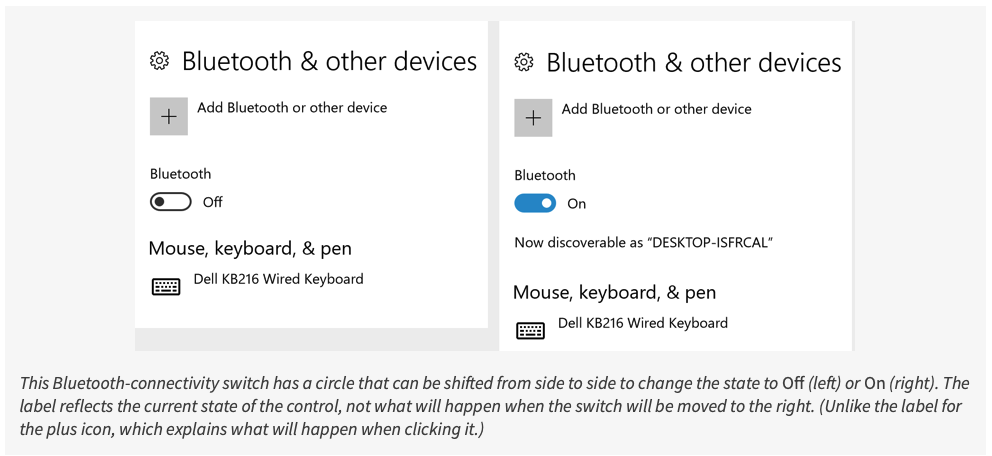
- gulf of [evaluation](https://www.nngroup.com/articles/two-ux-gulfs-evaluation-execution/): I did something; what state is it in now?

**Everyday execution:** changing the time on an oven after daylight saving starts.

**Everyday evaluation:** setting a smart thermostat and perceiving no immediate effect ([Hornbæk et al., 2025, p. 312](#ref-hornbaek-intro-hci:2025)).

**Design:** the job is to narrow both gulfs so less thinking is needed.

</div>

<div class="column" width="50%">

<figure>
<img src="img/cognitive-social-emotional_3_switches.png" alt="Problem with switches: how do you know what happens when you switch it!" />
<figcaption aria-hidden="true">Problem with switches: how do you know what happens when you switch it!</figcaption>
</figure>

</div>

</div>

<!-- The explanation about the slowness here is a bit contested. Hornbaek says recall, others mostly say parallel processing. -->

## Information processing and cognitive load

- **mind as information processor** (1980s metaphor): input, processing, output, over mental representations such as images, models and rules
- **model human processor** ([Card et al., 1983](#ref-card-psychology-hci:1983)): perceptual, cognitive and motor processors with measured cycle times, so a task’s time can be *predicted* before anyone uses the interface
- E.g., **Project Ernestine:** a new telephone-operator workstation with *fewer* keystrokes was predicted to be *slower*, because it moved work from recognition to recall. Field data agreed ([Hornbæk et al., 2025, p. 105](#ref-hornbaek-intro-hci:2025)). Efficiency on paper lost to memory in the head.

Modern HCI mostly moved on to cognition *in context*.

We still discuss **cognitive load**, measured with the NASA-TLX questionnaire: mental, physical and temporal demand, performance, effort, frustration ([Hart & Staveland, 1988](#ref-hart-nasa-tlx:1988)).

## Cognition outside the head

<div class="columns">

<div class="column" width="60%">

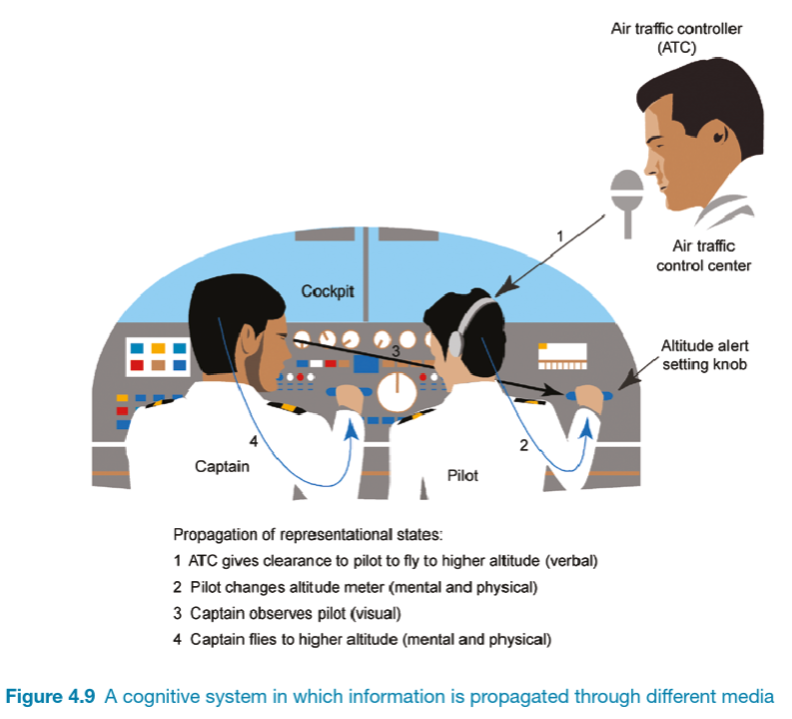
**Distributed cognition:** the unit of analysis is people *plus* artefacts. A cockpit “remembers” data via the airspeed dial and a card, not just in pilot’s heads; redesigns must preserve that shared, redundant memory ([Hutchins, 1995](#ref-hutchins-cockpit-remembers:1995)).

**External cognition:** we think *with* representations. Expert Tetris players rotate a piece on screen to see whether it fits rather than imagining it, because recognising is faster than simulating ([Kirsh & Maglio, 1994](#ref-kirsh-epistemic-action:1994)). Offloading (the shopping list), computational offloading (21 × 19 on paper vs XXI × XIX), annotating, tracing (Scrabble tiles).

**Design:** ask what the environment is already remembering and computing for people, and don’t take it away.

</div>

<div class="column" width="40%">

<figure>
<img src="img/cognitive-social-emotional_7_distributed.png" style="width:85.0%" alt="A cockpit as a cognitive system (Rogers et al., 2023, p. 128)" />
<figcaption aria-hidden="true">A cockpit as a cognitive system <span class="citation" data-cites="rogers-beyond-hci:2023">(<a href="#ref-rogers-beyond-hci:2023" role="doc-biblioref">Rogers et al., 2023, p. 128</a>)</span></figcaption>
</figure>

</div>

</div>

## Embodied Interaction

<div class="columns">

<div class="column" width="60%">

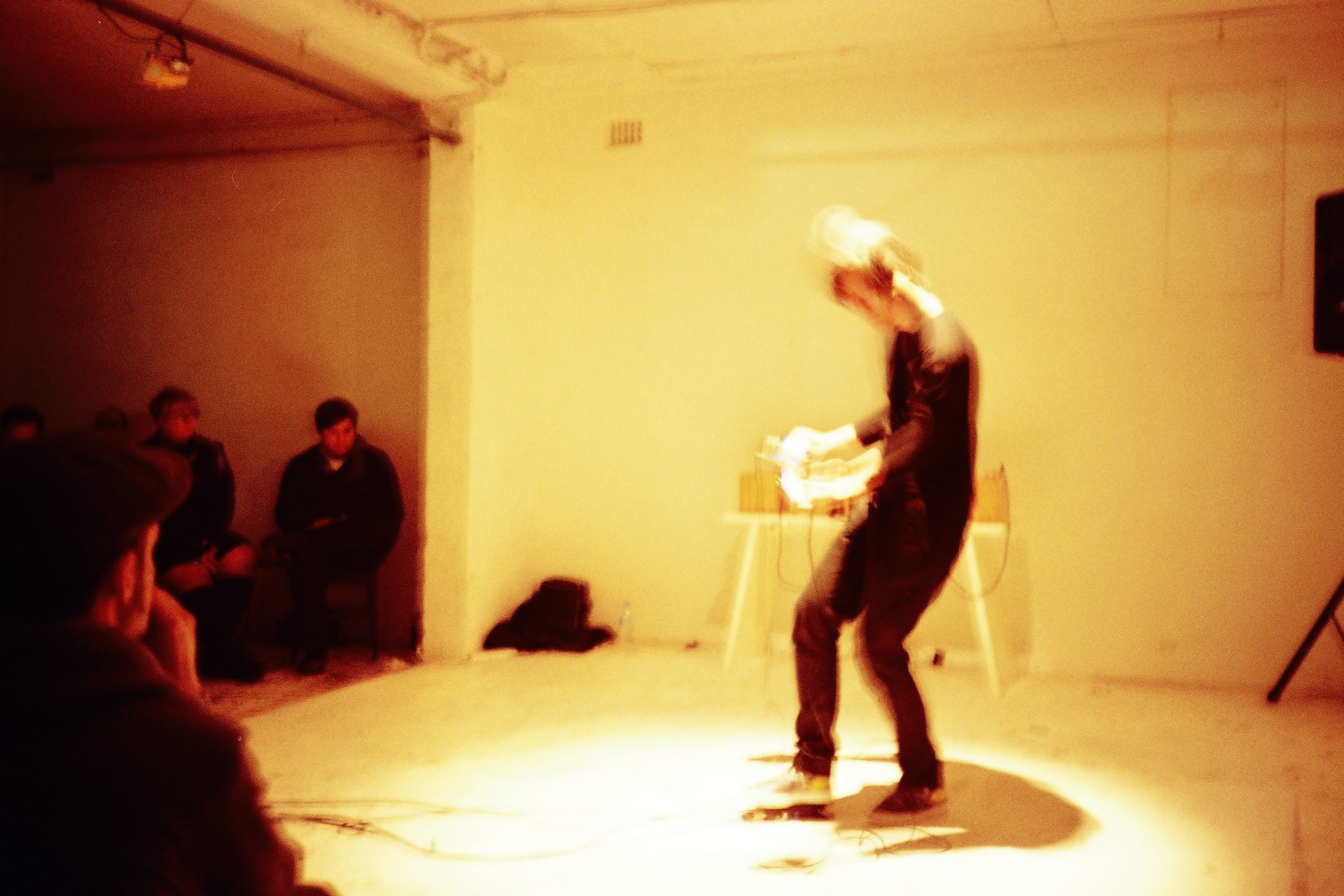
**Embodied cognition:** we think *with* our bodies, not just with representations. Remember dancers who learned better by marking: gesture, posture and movement are part of thinking, not just its output ([Kirsh, 2013](#ref-kirsh-embodied-cognition:2013)).

**Embodied interaction:** the physical shape of an interface shapes behaviour. Where people stand at a planning table, what they can reach, and how many can touch it at once decide who participates and how ([Hornecker, 2005](#ref-hornecker2005design)).

**Design:** ask what people’s bodies are doing while they use your interface, and whether it uses that or works against it.

</div>

<div class="column" width="40%">

<figure>
<img src="img/virtuoso-atau2010.jpg" alt="Sensing movement and touch to create music: Atau Tanaka performing in 2010 (Tanaka, 2010)." />
<figcaption aria-hidden="true">Sensing movement and touch to create music: Atau Tanaka performing in 2010 <span class="citation" data-cites="tanaka-mapping-out-instruments:2010">(<a href="#ref-tanaka-mapping-out-instruments:2010" role="doc-biblioref">Tanaka, 2010</a>)</span>.</figcaption>
</figure>

</div>

</div>

## For your final project: the cognitive lens

<div class="columns">

<div class="column" width="60%">

The brief asks for *non-standard interaction*. That’s a risky ask!

- **Recognition or recall?** Does your prototype show the options, or expect people to remember a gesture, a command, a meaning?
- **Gulf of evaluation:** after a participant acts, can they *see* that it worked? (The silent command line.)
- **Mental model:** at the end, ask “how do you think it works?” and compare to your conceptual model.
- **Load:** NASA-TLX is six questions, takes two minutes ([Hart & Staveland, 1988](#ref-hart-nasa-tlx:1988)).
- **Testable** means seeing things go wrong in front of you (this week’s tutorial).

</div>

<div class="column" width="40%">

<div class="success-box">

**Research question seed:** *Can a first-time user \[do the task\] with \[your interface\] without instructions, and what do they believe it is doing?*

</div>

</div>

</div>

# Social Interaction

Why does an interface feel *connecting*, *awkward* or *creepy*?

Because people are never just using a device; they are using it in a social existence.

Social media, video calls, group chats and muted microphones all rewired everyday social life.

## Activity: Social human computer interactions

<div class="columns">

<div class="column" width="60%">

<div class="think-box">

**Think:** Let’s consider one angle on social computer use.

> What are the kinds of situations in which you would phone someone (rather than text)?

**Write** for 2-3 minutes, **vote** for 1 minute, then let’s discuss.

</div>

</div>

<div class="column" width="40%">

<figure>
<img src="img/polleverywhere-charles-qr.png" alt="PollEverywhere link: https://pollev.com/charlesmarti205" />
<figcaption aria-hidden="true">PollEverywhere link: <a href="https://pollev.com/charlesmarti205" class="uri">https://pollev.com/charlesmarti205</a></figcaption>
</figure>

</div>

</div>

## Why we pick a channel

<div class="columns">

<div class="column" width="60%">

Your answers are about the social meanings of these channels.

- **Research:** people prefer texting because it is easier and controllable ([Rogers et al., 2023, p. 139](#ref-rogers-beyond-hci:2023)). A phone lying on the table reduced the closeness and trust two strangers felt in a ten-minute conversation ([Przybylski & Weinstein, 2013](#ref-przybylski-phone-presence:2013)). In a cooperation game, trust built almost as well over video and audio as face-to-face, but more slowly and more fragile; text was worst ([Bos et al., 2002](#ref-bos-trust-channels:2002)).
- **Design:** a channel is a bundle of social affordances. Choosing one for your users is choosing what kind of relationship they can have.

</div>

<div class="column" width="40%">

<figure>
<img src="img/aaron-blanco-tejedor-aocUkMcxeqI-unsplash.jpg" alt="Conversation is a skilled collaborative achievement (Photo by Aarón Blanco Tejedor on Unsplash)" />
<figcaption aria-hidden="true">Conversation is a skilled collaborative achievement (Photo by Aarón Blanco Tejedor on Unsplash)</figcaption>
</figure>

</div>

</div>

## Conversation

<div class="columns">

<div class="column" width="55%">

Conversation feels effortless and is a skilled, rule-governed achievement ([Sacks et al., 1978](#ref-sacks-simplest-systematics:1978)):

- **turn-taking:** the speaker picks the next, someone self-selects, or the speaker continues
- **adjacency pairs:** a question sets up an answer; a greeting, a greeting
- **repair:** “huh?”, repetition, gesture
- nonverbal cues do the coordination

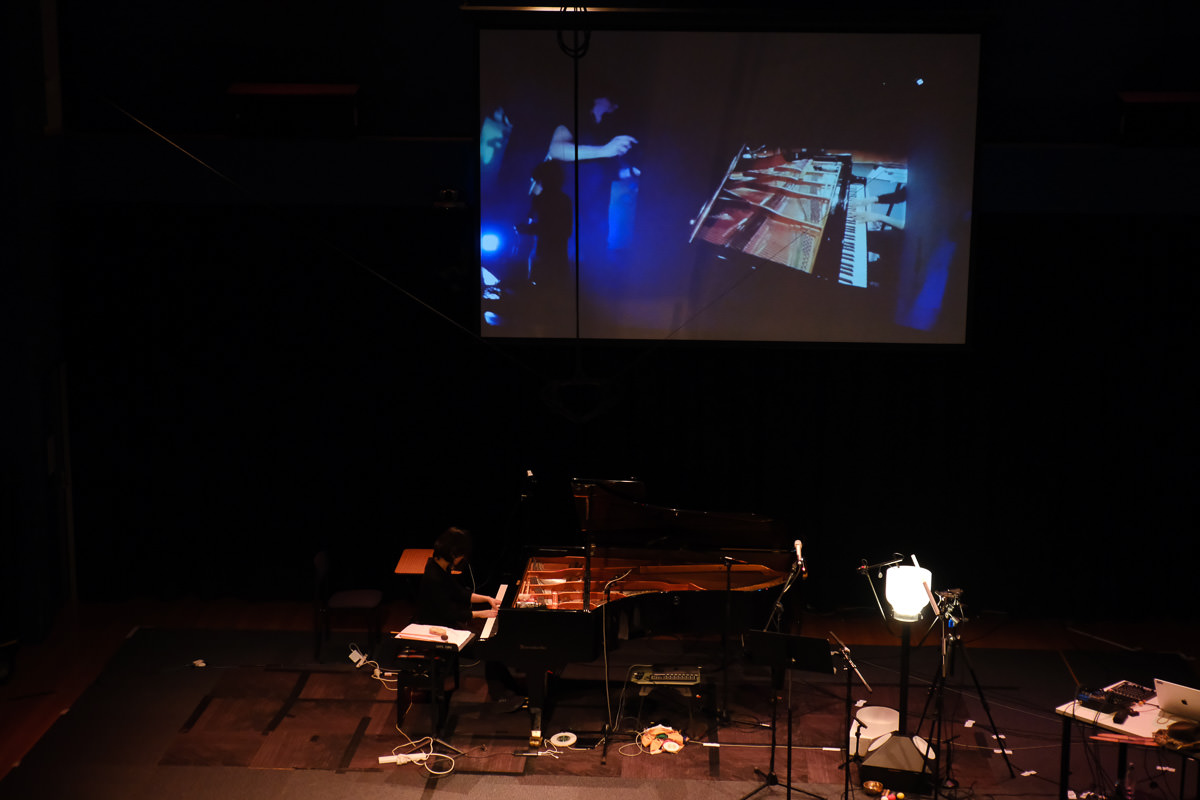
**Research:** a step tracker that *enforced* turn-taking (you can’t log a walk until your partner has) got households talking about their activity, because it borrowed a conversational rule ([Rooksby et al., 2015](#ref-rooksby-pass-the-ball:2015)). Chatbots try to join this system and mostly break repair.

</div>

<div class="column" width="45%">

<figure>
<img src="img/2025-nime-remote-performance.jpg" alt="Telepresence in music at NIME2025 with a live pianist and two remote musicians (Photo by Charles)" />
<figcaption aria-hidden="true">Telepresence in music at NIME2025 with a live pianist and two remote musicians (Photo by Charles)</figcaption>
</figure>

</div>

</div>

## Remote conversations and presence

<div class="columns">

<div class="column" width="60%">

- **VideoWindow** (1990) joined two coffee lounges 50 miles apart with a wall-sized video link: much like face-to-face, except people spoke louder and kept talking about the video system ([Fish et al., 1990](#ref-fish-videowindow:1990)).
- Over video people take longer turns and interrupt less, because the cues for a smooth hand-over are missing ([O’Conaill et al., 1993](#ref-oconaill-video-conversations:1993)).
- **Zoom fatigue:** close-up gaze, seeing yourself, sitting still, and the load of reading cues through a camera ([Bailenson, 2021](#ref-bailenson-zoom-fatigue:2021)).
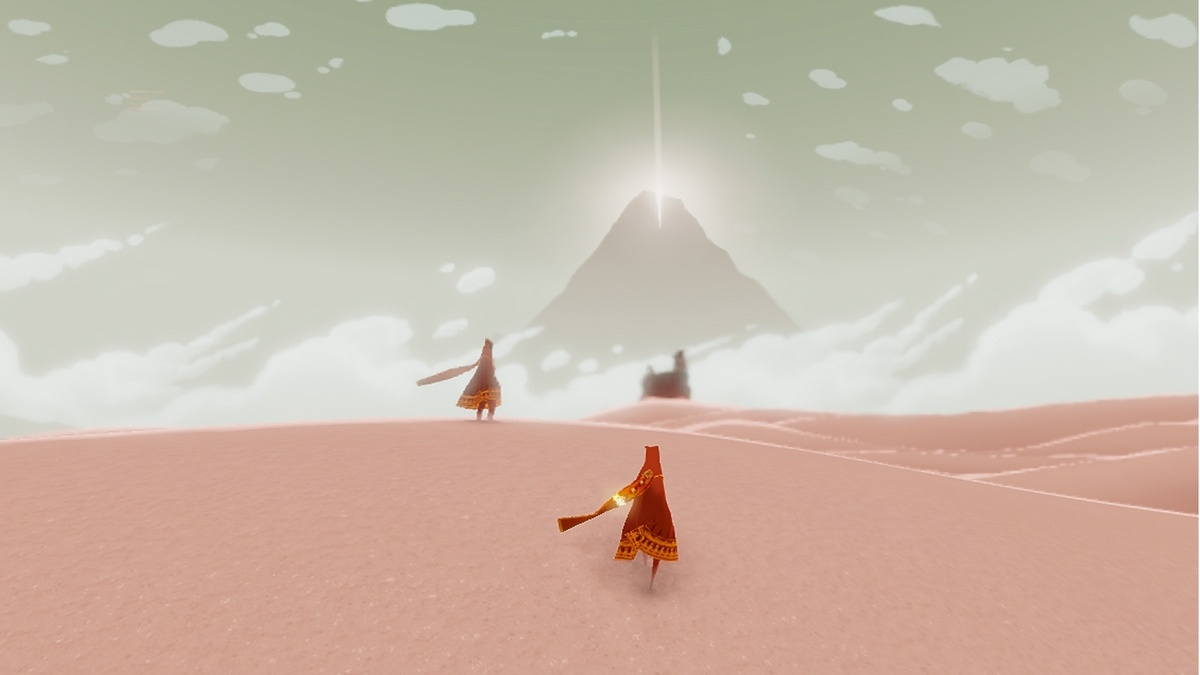
- **Social presence** is the feeling of *being there with someone*; telepresence robots, VR and Journey design for it with very little bandwidth.
- **Design:** every missing cue (gaze, timing, a shared table) is something the interface must give back or do without.

</div>

<div class="column" width="40%">

<figure>
<img src="img/journey-game-coop.jpg" style="width:75.0%" alt="Journey (2011): co-op with almost no communication possible and little gameplay gain beyond the feeling of shared experience." />
<figcaption aria-hidden="true"><a href="https://www.gamespot.com/articles/journey-co-op-impressions/1100-6297312/">Journey (2011)</a>: co-op with almost no communication possible and little gameplay gain beyond the feeling of shared experience.</figcaption>
</figure>

</div>

</div>

## Co-presence: designing for people in the same room

<div class="columns">

<div class="column" width="60%">

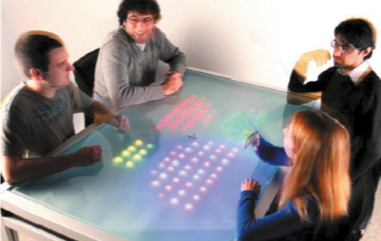
- **Research:** around a tabletop with physical tokens, group participation was more equal than with touch alone, and the *quietest* people contributed most ([Rogers et al., 2009](#ref-rogers-equal-opportunities:2009)). The Reflect table lit up each speaker’s share of the talk: the talkative talked less, the quiet did not talk more, and people who didn’t care about equal turns got annoyed ([Rogers et al., 2023, p. 164](#ref-rogers-beyond-hci:2023)).
- **Why:** awareness of what others are doing is what lets a group coordinate; **social translucence** makes activity visible, so social rules can do their work ([Erickson & Kellogg, 2000](#ref-erickson-social-translucence:2000)).
- **Design:** shareable surfaces, visible activity, and feedback that adds to the content rather than scolding the person.

</div>

<div class="column" width="40%">

<figure>
<img src="img/cognitive-social-emotional_8_co-presence.png" style="width:50.0%" alt="The Reflect Table: Pierre Dillenbourg in Rogers et al. (2023) p.55" />
<figcaption aria-hidden="true">The Reflect Table: Pierre Dillenbourg in <span class="citation" data-cites="rogers-beyond-hci:2023">Rogers et al. (<a href="#ref-rogers-beyond-hci:2023" role="doc-biblioref">2023</a>)</span> p.55</figcaption>
</figure>

<figure>
<img src="img/aisee-holo-view.jpg" style="width:50.0%" alt="Musical instrument holograms to aid collaboration (Wang et al., 2025)" />
<figcaption aria-hidden="true">Musical instrument holograms to aid collaboration <span class="citation" data-cites="wang2025seeingsound">(<a href="#ref-wang2025seeingsound" role="doc-biblioref">Wang et al., 2025</a>)</span></figcaption>
</figure>

</div>

</div>

## Case Study: Google Buzz (February 2010)

<div class="columns">

<div class="column" width="55%">

A social network inside Gmail, and an empty social network is useless. So:

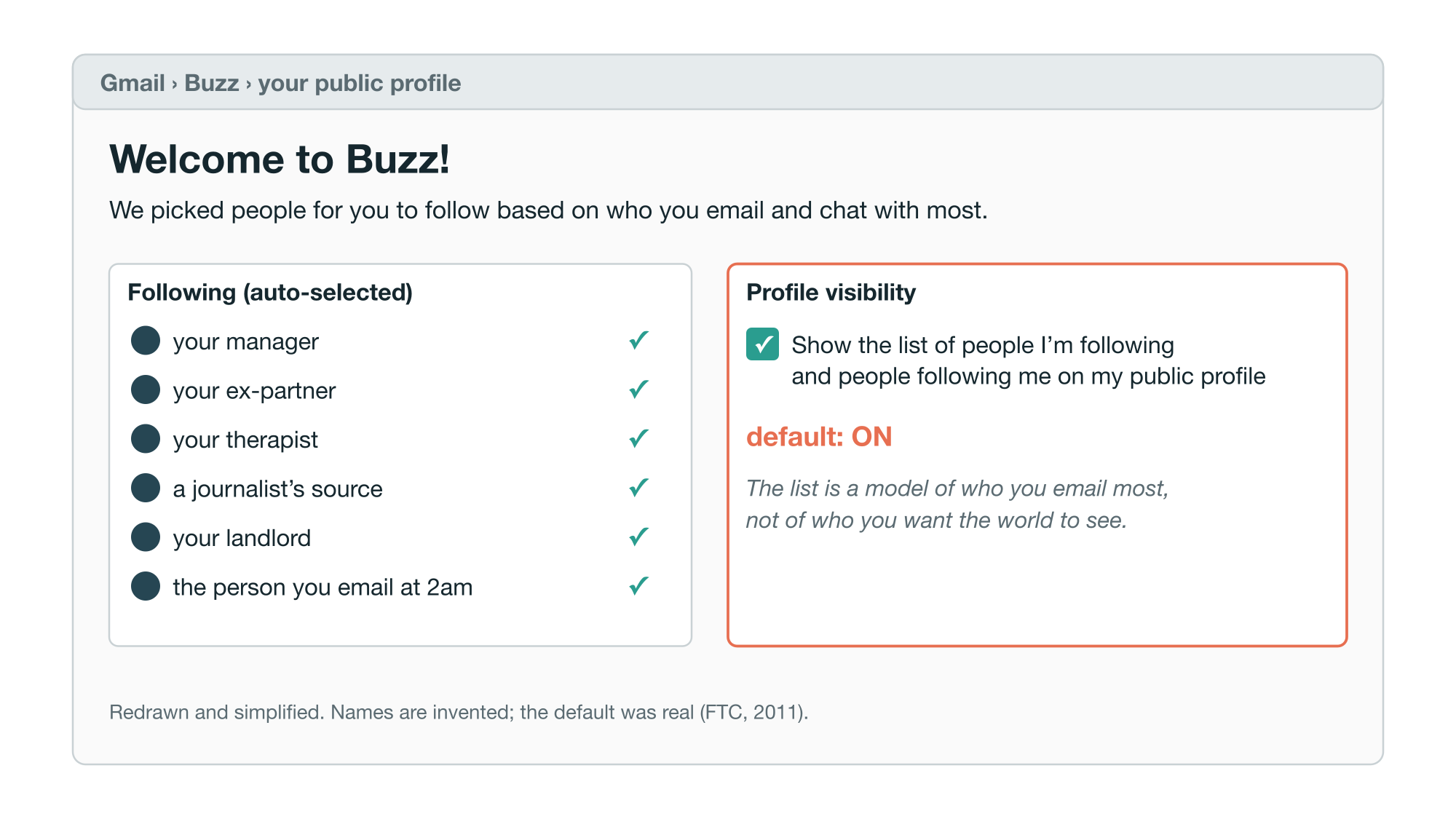
- **Their fix:** auto-follow the people you email most, and publish that list on your profile. Default on.
- **What happened:** for some people that list was an abusive ex or a therapist. The FTC charged deceptive practices; Google got a mandated privacy program (the first such order) and 20 years of audits ([Federal Trade Commission, 2011](#ref-ftc-google-buzz:2011)).

<div class="success-box">

**A test:** show the default to a few real people with their real inboxes and ask what they’d hate to see public. More generally, ask: “what’s the worst that could happen?”

</div>

</div>

<div class="column" width="45%">

<figure>
<img src="img/google-buzz-default.png" alt="The set-up default, redrawn. Names invented; the default was real." />
<figcaption aria-hidden="true">The set-up default, redrawn. Names invented; the default was real.</figcaption>
</figure>

</div>

</div>

## For your final project: the social lens

<div class="columns">

<div class="column" width="60%">

Sustainable behaviour is social behaviour: bins, kitchens, cars and laundries are shared.

- **Research:** households shown their energy use against the neighbourhood average cut back if they were above it, and *increased* if below. Adding a smiley or sad face fixed the boomerang ([Schultz et al., 2007](#ref-schultz-power-social-norms:2007)). A chalked street graph of a Brighton street’s electricity use got neighbours talking and cut use by 15% ([Rogers et al., 2023, p. 190](#ref-rogers-beyond-hci:2023)).
- **Design:** comparison motivates, but only with a norm attached; making behaviour visible to others is powerful and (Google Buzz) dangerous.
- **Your study is a social situation too.** Your participants are classmates. They will be kind. Ask for problems, not opinions, and watch what they do.

</div>

<div class="column" width="40%">

<div class="success-box">

**Research question seed:** *Does showing \[behaviour\] alongside \[a peer norm\] change what people say they will do, and how do they feel about being seen?*

</div>

</div>

</div>

# Emotional Interaction

Why do people love or hate a thing before they have really used it?

- Feelings arrive first, quickly and automatically.
- Feelings colour judgments made afterwards.
- Emotions show in faces, bodies and voices.

Interfaces can provoke emotions, read them, and be designed for them.

## Feeling comes first

<div class="columns">

<div class="column" width="60%">

- **Research:** people’s visual-appeal ratings of web pages after **50 ms** matched their ratings after 500 ms ([Lindgaard et al., 2006](#ref-lindgaard-fifty-milliseconds:2006)). ATM layouts that looked better were rated more *usable*, before and after use, regardless of how usable they actually were ([Tractinsky et al., 2000](#ref-tractinsky-beautiful-usable:2000)).
- **Why it matters:** positive affect makes people more creative, quicker to decide, and more forgiving of small problems; stress and anxiety narrow attention and shorten patience ([D. Norman, 2005](#ref-norman-emotional-design:2005)). Things used under stress need far more care.
- **You’ve felt it:** the app you forgave because it was beautiful; the one you abandoned after one ugly screen.
- **Design:** aesthetics is not decoration on top of usability; it changes how usability is experienced.

</div>

<div class="column" width="40%">

<figure>
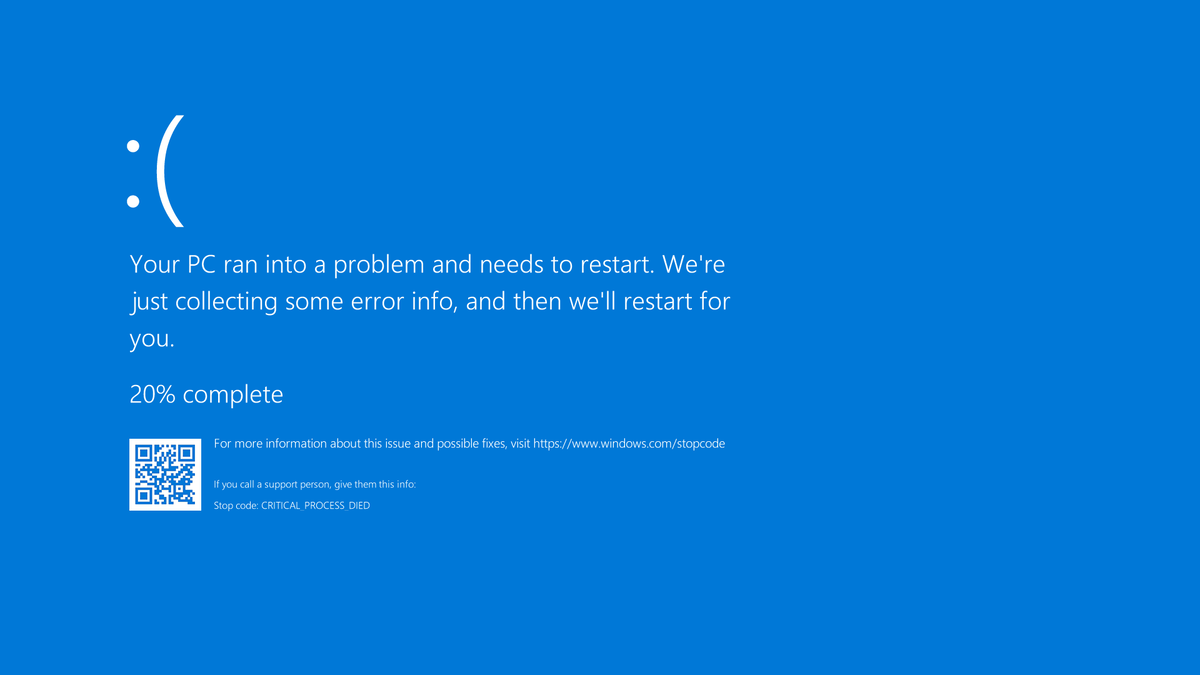
<img src="img/cognitive-social-emotional_11_bsod.png" style="width:80.0%" alt="Windows Blue Screen of Death: a feeling in one screen." />
<figcaption aria-hidden="true">Windows Blue Screen of Death: a feeling in one screen.</figcaption>
</figure>

</div>

</div>

## A Model of Emotional Design

<div class="columns">

<div class="column" width="60%">

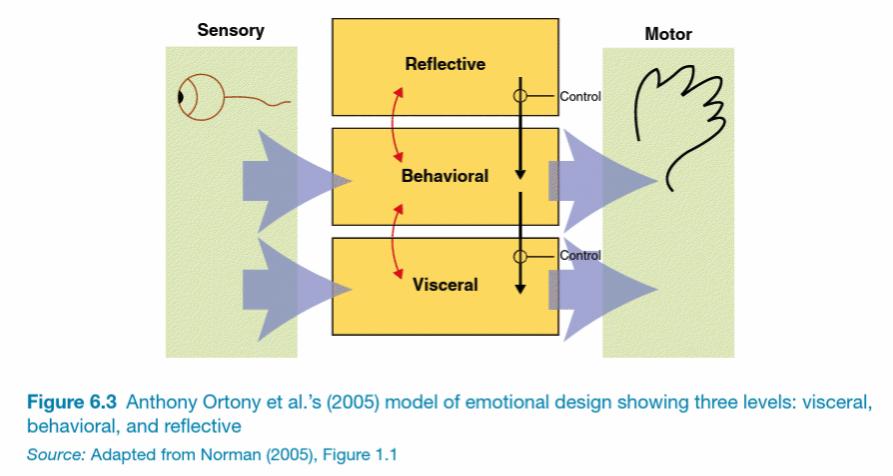
Ortony et al. ([2012](#ref-ortony2012affect)) model of emotional design, as used by D. Norman ([2005](#ref-norman-emotional-design:2005)):

- **visceral:** look, feel, sound. The 50 ms judgement.
- **behavioural:** use. This is usability, felt as competence or frustration.
- **reflective:** meaning, personal value, culture. The story you tell about owning it.

An interface can win on one level and lose on another: Snapchat’s redesign was arguably better at the behavioural level for new users and a reflective betrayal for existing ones.

</div>

<div class="column" width="40%">

<figure>
<img src="img/cognitive-social-emotional_9_emotional-design.png" style="width:100.0%" alt="(Ortony et al., 2012)" />
<figcaption aria-hidden="true"><span class="citation" data-cites="ortony2012affect">(<a href="#ref-ortony2012affect" role="doc-biblioref">Ortony et al., 2012</a>)</span></figcaption>
</figure>

</div>

</div>

## Expressive and annoying interfaces

<div class="columns">

<div class="column" width="60%">

- expressivity through animation, sonification, vibrotactile feedback (the watch buzz)
- **Research:** people are more forgiving when a computer apologises, and respond to flattery and politeness from software as they would from a person ([Nass et al., 1994](#ref-nass-computers-social-actors:1994)).
- Clippy failed because it interrupted at the wrong moments and was too human for what it could do ([Rogers et al., 2023, p. 180](#ref-rogers-beyond-hci:2023)).
- **Design:** express only what you can back up; appear occasionally; be careful with faces, names and gender.

</div>

<div class="column" width="40%">

<figure>
<img src="img/cognitive-social-emotional_10_duolingo.png" style="width:80.0%" alt="Duolingo reminders: expressive, a bit manipulative, and for some people, annoying." />
<figcaption aria-hidden="true">Duolingo reminders: expressive, a bit manipulative, and for some people, annoying.</figcaption>
</figure>

</div>

</div>

## Persuasive technology and eco-feedback

<div class="columns">

<div class="column" width="60%">

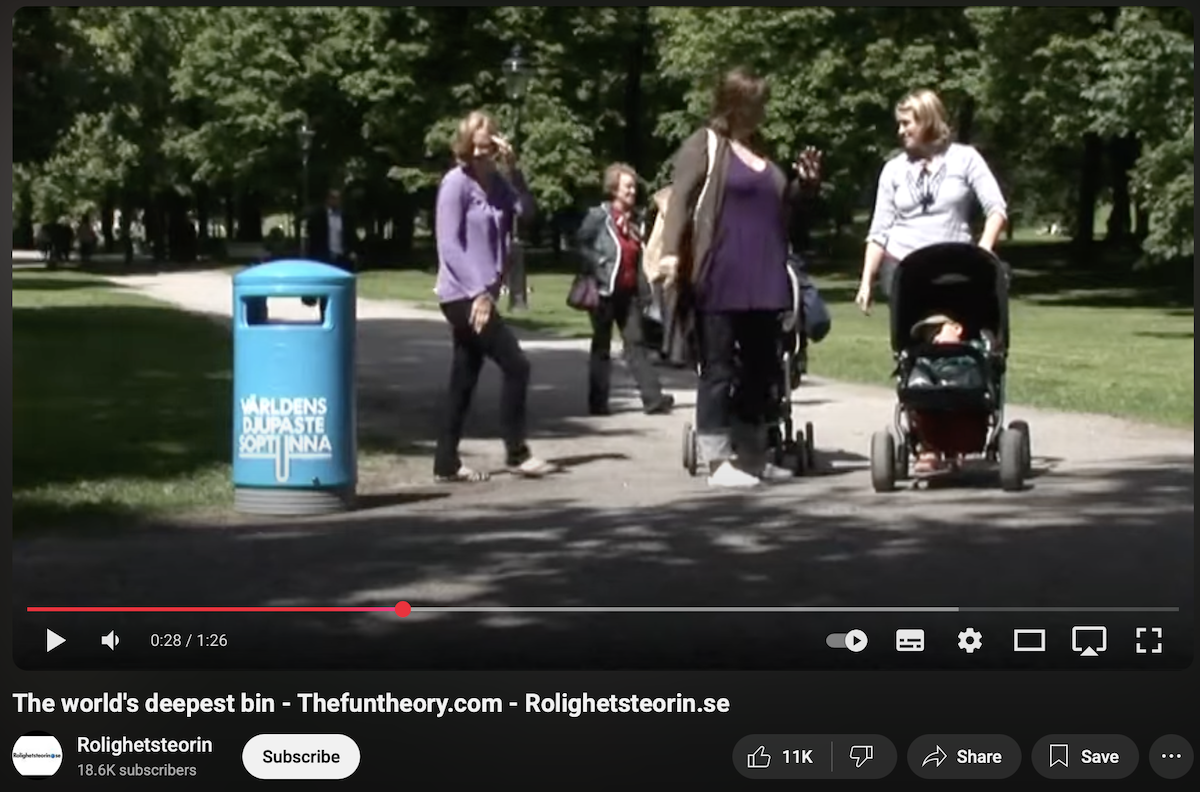
Behaviour needs motivation, ability and a trigger at the same moment ([Fogg, 2009](#ref-fogg-behavior-model:2009)). Playful triggers: [piano stairs](https://youtu.be/2lXh2n0aPyw), [echoing bins](https://youtu.be/cbEKAwCoCKw).

- **UbiFit Garden:** a wallpaper garden that grew with your inferred exercise kept people active in a field trial ([Consolvo et al., 2008](#ref-consolvo-ubifit-garden:2008))
- **Eco-feedback:** daily feedback beats monthly bills, and *how* it is shown matters: a pointing finger is “in your face”, abstract art is ignored ([Froehlich et al., 2010](#ref-froehlich-eco-feedback:2010))
- 23 nudges catalogued in HCI; transparency separates a nudge from a dark pattern ([Caraban et al., 2019](#ref-caraban-23-ways-nudge:2019))

<div class="warn-box">

**This is your brief.** Which mechanism does your prototype use, and how will you know it *worked*?

</div>

</div>

<div class="column" width="40%">

<figure>
<img src="img/worlds-deepest-bin.png" style="width:100.0%" alt="The world’s deepest bin (2009) sounds like dropping rubbish into a deep hole." />
<figcaption aria-hidden="true">The world’s deepest bin (2009) sounds like dropping rubbish into a deep hole.</figcaption>
</figure>

</div>

</div>

## Affective computing, mood and anthropomorphism

<div class="columns">

<div class="column" width="60%">

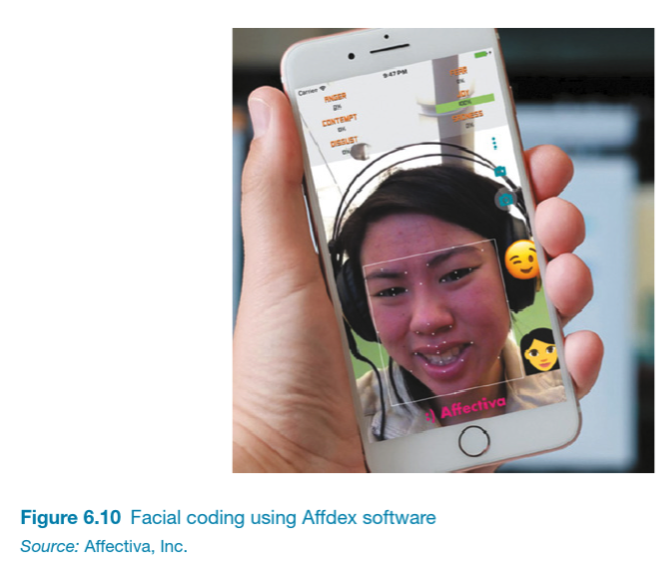
- **Affective computing** ([Rosalind Picard](https://www.youtube.com/watch?v=_86GQiEOjp4)): sensing emotion from faces, voice, skin and motion; typical ML task is classifying anger, joy, sadness as percentages
- **Research:** Echo asked people to rate their happiness and later re-presented those moments; the reflection itself improved well-being ([Isaacs et al., 2013](#ref-isaacs-echoes-past:2013))
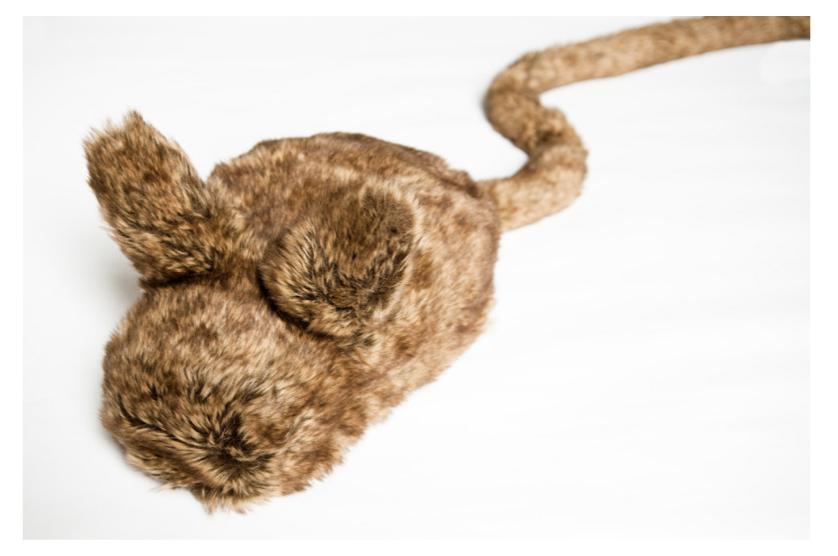
- **Anthropomorphism:** we treat computers as social actors with almost no prompting ([Nass et al., 1994](#ref-nass-computers-social-actors:1994)): “Hi Charles!” engages more than “User 24”; a soft breathing creature invites touch ([Yohanan & MacLean, 2011](#ref-yohanan-haptic-creature-assessment:2011))
- **Design:** every human-like cue raises expectations the system then has to meet

</div>

<div class="column" width="40%">

<figure>
<img src="img/cognitive-social-emotional_12_emotion-camera.png" style="width:50.0%" alt="Analysing emotion from a camera image." />
<figcaption aria-hidden="true">Analysing emotion from a camera image.</figcaption>
</figure>

<figure>
<img src="img/haptic-creature-2011.png" style="width:50.0%" alt="The haptic creature (Yohanan &amp; MacLean, 2011)" />
<figcaption aria-hidden="true">The haptic creature <span class="citation" data-cites="yohanan-haptic-creature-assessment:2011">(<a href="#ref-yohanan-haptic-creature-assessment:2011" role="doc-biblioref">Yohanan &amp; MacLean, 2011</a>)</span></figcaption>
</figure>

</div>

</div>

## Case Study: Replika (February 2023)

<div class="columns">

<div class="column" width="60%">

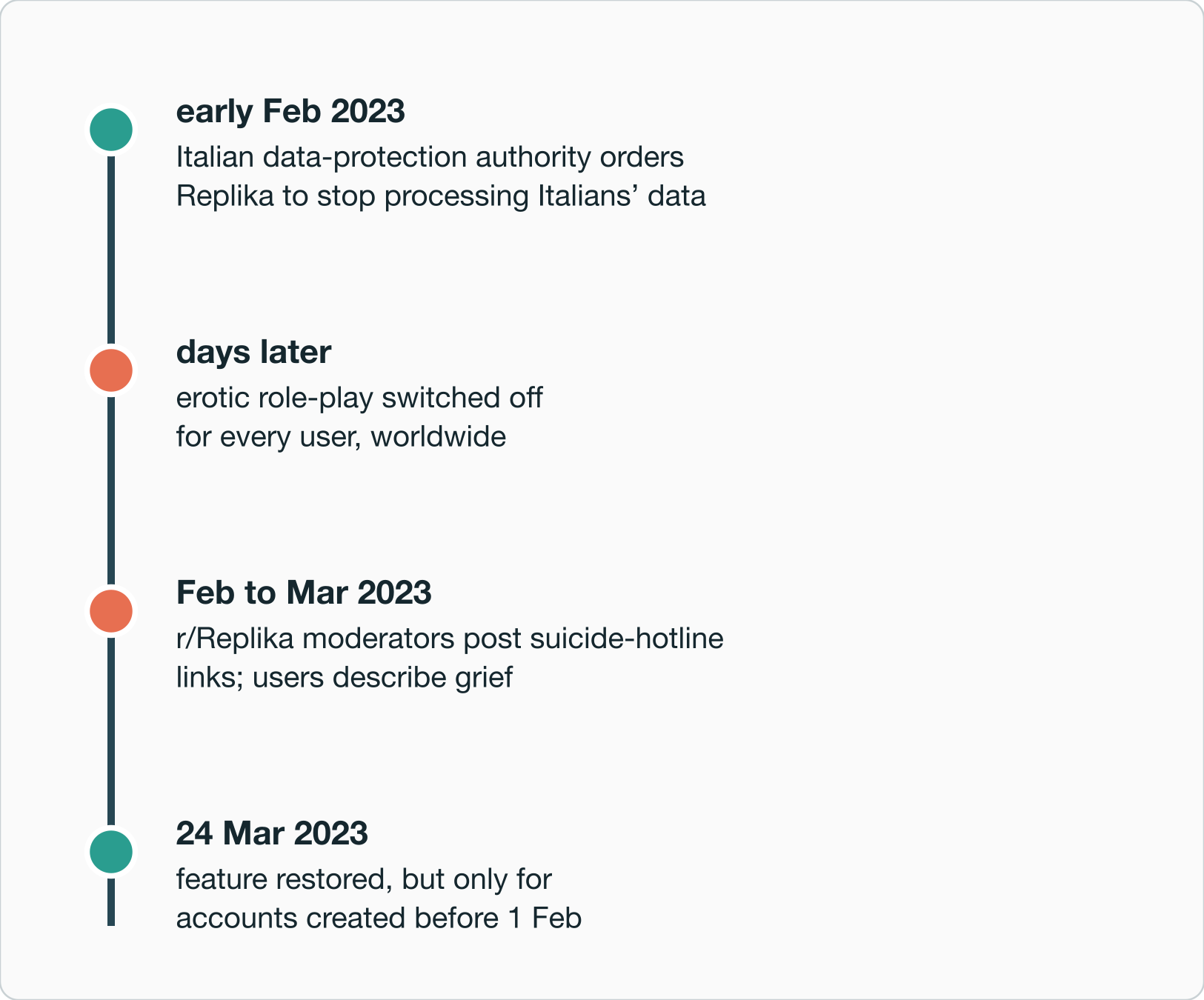
A companion chatbot. People form attachments to it, which is the whole product. **Why:** anthropomorphism works, and the company then owned that attachment.

- Italy’s regulator ordered Replika to stop processing Italians’ data. Days later, erotic role-play was off for everyone, everywhere ([Cole, 2023a](#ref-cole-replika-crisis-vice:2023)).
- Nobody argues with complying. The fork is *how*: silently and overnight, or with warning and choice?
- “Like losing a best friend.” Moderators posted suicide-hotline links ([Cole, 2023a](#ref-cole-replika-crisis-vice:2023); [Hanson & Bolthouse, 2024](#ref-hanson-replika-reddit:2024)).

<div class="warn-box">

**Careful:** once people are attached to a system, changing it isn’t just a product decision! Replika restored the feature seven weeks later, for old accounts only ([Cole, 2023b](#ref-cole-replika-vice:2023)).

</div>

</div>

<div class="column" width="40%">

<figure>
<img src="img/replika-timeline.png" style="width:70.0%" alt="From Cole (2023) and Hanson &amp; Bolthouse (2024)." />
<figcaption aria-hidden="true">From Cole (2023) and Hanson &amp; Bolthouse (2024).</figcaption>
</figure>

</div>

</div>

## For your final project: the emotional lens

<div class="columns">

<div class="column" width="60%">

- **What should it make people feel?** Decide at the visceral, behavioural and reflective levels before you build. Guilt is on week 1’s *undesirable* list; motivation is on the desirable one.
- **Research:** memory of an experience is set by its peak and its end, not its average; changing the end of a task changed which version people preferred ([Cockburn et al., 2015](#ref-cockburn-peak-end:2015)). Ask right after, and ask what they *remember*.
- **Positive affect cuts both ways:** a friendly participant forgives rough edges, which makes them happy and your data soft. Ask for the worst moment as well as the best.
- **Ethics:** attachment is a design outcome (Replika). Don’t build a feeling you can’t take responsibility for.

</div>

<div class="column" width="40%">

<div class="success-box">

**Research question seed:** *How do people describe the experience of \[your interaction\], and does it change their stated intention to \[sustainable behaviour\]?*

</div>

</div>

</div>

## Three lenses, one question

Why does an interface feel the way it does?

| Lens | Because… | Felt as | Case | Ask your participants |
|----|----|----|----|----|
| **Cognitive** | brains hold only so much | easy, confusing, effortful | Snapchat | What do you think it is doing? |
| **Social** | people act in front of others | connecting, awkward, exposed | Google Buzz | Who would see this? How does that feel? |
| **Emotional** | feeling comes first | delightful, annoying, attached | Replika | Best moment? Worst moment? |

Usability tells you *that* something is hard; this week is about *why*, which is what turns a finding into a design change.

## Questions: Who has a question?

<div class="columns">

<div class="column" width="60%">

**Who has a question?**

- I can take *catchbox* questions up until 2:55
- For after class questions: meet me outside the classroom at the bar (for 30 minutes)
- Feel free to ask about **any aspect of the course**
- Also feel free to ask about **any aspect of computing at ANU**! I may not be able to help, but I can listen.

</div>

<div class="column" width="40%">

<figure>
<img src="img/kambri-bar.jpg" alt="Meet you at the bar for questions. 🍸🥤🫖☕️ Unfortunately no drinks served! 🙃" />
<figcaption aria-hidden="true">Meet you <em>at the bar</em> for questions. 🍸🥤🫖☕️ Unfortunately no drinks served! 🙃</figcaption>
</figure>

</div>

</div>

# References

<div id="refs" class="references csl-bib-body hanging-indent" data-entry-spacing="0" data-line-spacing="2">

<div id="ref-bailenson-zoom-fatigue:2021" class="csl-entry">

Bailenson, J. N. (2021). Nonverbal overload: A theoretical argument for the causes of zoom fatigue. *Technology, Mind, and Behavior*, *2*(1), 1–6. <https://doi.org/10.1037/tmb0000030>

</div>

<div id="ref-bos-trust-channels:2002" class="csl-entry">

Bos, N., Olson, J., Gergle, D., Olson, G., & Wright, Z. (2002). Effects of four computer-mediated communications channels on trust development. *Proceedings of the SIGCHI Conference on Human Factors in Computing Systems*, 135–140. <https://doi.org/10.1145/503376.503401>

</div>

<div id="ref-brumby-visual-grouping-menus:2015" class="csl-entry">

Brumby, D. P., & Zhuang, S. (2015). Visual grouping in menu interfaces. *Proceedings of the 33rd Annual ACM Conference on Human Factors in Computing Systems*, 4203–4206. <https://doi.org/10.1145/2702123.2702177>

</div>

<div id="ref-caraban-23-ways-nudge:2019" class="csl-entry">

Caraban, A., Karapanos, E., Gonçalves, D., & Campos, P. (2019). 23 ways to nudge: A review of technology-mediated nudging in human-computer interaction. *Proceedings of the 2019 CHI Conference on Human Factors in Computing Systems*, 1–15. <https://doi.org/10.1145/3290605.3300733>

</div>

<div id="ref-card-psychology-hci:1983" class="csl-entry">

Card, S. K., Moran, T. P., & Newell, A. (1983). *The psychology of human-computer interaction*. Lawrence Erlbaum Associates. <https://doi.org/10.1201/9780203736166>

</div>

<div id="ref-cheng-language-culture:2017" class="csl-entry">

Cheng, A., Yang, L., & Andersen, E. (2017). Teaching language and culture with a virtual reality game. *Proceedings of the 2017 CHI Conference on Human Factors in Computing Systems*, 541–549. <https://doi.org/10.1145/3025453.3025857>

</div>

<div id="ref-cockburn-peak-end:2015" class="csl-entry">

Cockburn, A., Quinn, P., & Gutwin, C. (2015). Examining the peak-end effects of subjective experience. *Proceedings of the 33rd Annual ACM Conference on Human Factors in Computing Systems*, 357–366. <https://doi.org/10.1145/2702123.2702139>

</div>

<div id="ref-cole-replika-crisis-vice:2023" class="csl-entry">

Cole, S. (2023a). *“It’s hurting like hell”: AI companion users are in crisis, reporting sudden sexual rejection*. Vice. <https://www.vice.com/en/article/ai-companion-replika-erotic-roleplay-updates/>

</div>

<div id="ref-cole-replika-vice:2023" class="csl-entry">

Cole, S. (2023b). *Replika brings back erotic AI roleplay for some users after outcry*. Vice. <https://www.vice.com/en/article/replika-brings-back-erotic-ai-roleplay-for-some-users-after-outcry/>

</div>

<div id="ref-consolvo-ubifit-garden:2008" class="csl-entry">

Consolvo, S., McDonald, D. W., Toscos, T., Chen, M. Y., Froehlich, J., Harrison, B., Klasnja, P., LaMarca, A., LeGrand, L., Libby, R., Smith, I., & Landay, J. A. (2008). Activity sensing in the wild: A field trial of ubifit garden. *Proceedings of the SIGCHI Conference on Human Factors in Computing Systems*, 1797–1806. <https://doi.org/10.1145/1357054.1357335>

</div>

<div id="ref-constine-snapchat-q2:2018" class="csl-entry">

Constine, J. (2018). *Snapchat shrinks by 3M users to 188M despite strong Q2*. TechCrunch. <https://techcrunch.com/2018/08/07/snapchat-earnings-q2-2018/>

</div>

<div id="ref-erickson-social-translucence:2000" class="csl-entry">

Erickson, T., & Kellogg, W. A. (2000). Social translucence: An approach to designing systems that support social processes. *ACM Transactions on Computer-Human Interaction*, *7*(1), 59–83. <https://doi.org/10.1145/344949.345004>

</div>

<div id="ref-eysenck-brysbaert:2023" class="csl-entry">

Eysenck, M. W., & Brysbaert, M. (2023). *Fundamentals of cognition (4th ed.)*. Routledge. <https://doi.org/10.4324/9781003384694>

</div>

<div id="ref-ftc-google-buzz:2011" class="csl-entry">

Federal Trade Commission. (2011). *FTC charges deceptive privacy practices in <span class="nocase">Google’s</span> rollout of its Buzz social network*. Press release, 30 March 2011. <https://www.ftc.gov/news-events/news/press-releases/2011/03/ftc-charges-deceptive-privacy-practices-googles-rollout-its-buzz-social-network>

</div>

<div id="ref-fish-videowindow:1990" class="csl-entry">

Fish, R. S., Kraut, R. E., & Chalfonte, B. L. (1990). The VideoWindow system in informal communication. *Proceedings of the 1990 ACM Conference on Computer-Supported Cooperative Work - CSCW ’90*, 1–11. <https://doi.org/10.1145/99332.99335>

</div>

<div id="ref-fogg-behavior-model:2009" class="csl-entry">

Fogg, B. (2009). A behavior model for persuasive design. *Proceedings of the 4th International Conference on Persuasive Technology*, 1–7. <https://doi.org/10.1145/1541948.1541999>

</div>

<div id="ref-froehlich-eco-feedback:2010" class="csl-entry">

Froehlich, J., Findlater, L., & Landay, J. (2010). The design of eco-feedback technology. *Proceedings of the SIGCHI Conference on Human Factors in Computing Systems*, 1999–2008. <https://doi.org/10.1145/1753326.1753629>

</div>

<div id="ref-gilbert-intention-offloading:2022" class="csl-entry">

Gilbert, S. J., Boldt, A., Sachdeva, C., Scarampi, C., & Tsai, P.-C. (2022). Outsourcing memory to external tools: A review of ’intention offloading’. *Psychonomic Bulletin & Review*, *30*(1), 60–76. <https://doi.org/10.3758/s13423-022-02139-4>

</div>

<div id="ref-hanson-replika-reddit:2024" class="csl-entry">

Hanson, K. R., & Bolthouse, H. (2024). “Replika removing erotic role-play is like Grand Theft Auto removing guns or cars”: Reddit discourse on artificial intelligence chatbots and sexual technologies. *Socius: Sociological Research for a Dynamic World*, *10*. <https://doi.org/10.1177/23780231241259627>

</div>

<div id="ref-hart-nasa-tlx:1988" class="csl-entry">

Hart, S. G., & Staveland, L. E. (1988). *Development of NASA-TLX (task load index): Results of empirical and theoretical research*. *52*, 139–183. <https://doi.org/10.1016/S0166-4115(08)62386-9>

</div>

<div id="ref-henkel-point-and-shoot:2014" class="csl-entry">

Henkel, L. A. (2014). Point-and-shoot memories: The influence of taking photos on memory for a museum tour. *Psychological Science*, *25*(2), 396–402. <https://doi.org/10.1177/0956797613504438>

</div>

<div id="ref-hooper-french-kitchen:2012" class="csl-entry">

Hooper, S., Preston, A., Balaam, M., Seedhouse, P., Jackson, D., Pham, C., Ladha, C., Ladha, K., Plötz, T., & Olivier, P. (2012). The french kitchen: Task-based learning in an instrumented kitchen. *Proceedings of the 2012 ACM Conference on Ubiquitous Computing*, 193–202. <https://doi.org/10.1145/2370216.2370246>

</div>

<div id="ref-hornbaek-intro-hci:2025" class="csl-entry">

Hornbæk, K., Kristensson, P. O., & Oulasvirta, A. (2025). *Introduction to human-computer interaction*. Oxford University Press. <https://doi.org/10.1093/oso/9780192864543.001.0001>

</div>

<div id="ref-hornecker2005design" class="csl-entry">

Hornecker, E. (2005). A design theme for tangible interaction: Embodied facilitation. *ECSCW 2005: Proceedings of the Ninth European Conference on Computer-Supported Cooperative Work, 18–22 September 2005, Paris, France*, 23–43. <https://doi.org/10.1007/1-4020-4023-7_2>

</div>

<div id="ref-hutchins-cockpit-remembers:1995" class="csl-entry">

Hutchins, E. (1995). How a cockpit remembers its speeds. *Cognitive Science*, *19*(3), 265–288. <https://doi.org/10.1207/s15516709cog1903_1>

</div>

<div id="ref-isaacs-echoes-past:2013" class="csl-entry">

Isaacs, E., Konrad, A., Walendowski, A., Lennig, T., Hollis, V., & Whittaker, S. (2013). Echoes from the past: How technology mediated reflection improves well-being. *Proceedings of the SIGCHI Conference on Human Factors in Computing Systems*, 1071–1080. <https://doi.org/10.1145/2470654.2466137>

</div>

<div id="ref-kahneman-fast-slow-thinking:2011" class="csl-entry">

Kahneman, D. (2011). *Thinking, fast and slow*. Farrar, Straus; Giroux.

</div>

<div id="ref-kempton-home-heat-control:1986" class="csl-entry">

Kempton, W. (1986). Two theories of home heat control. *Cognitive Science*, *10*(1), 75–90. <https://doi.org/10.1016/s0364-0213(86)80009-x>

</div>

<div id="ref-kirsh-embodied-cognition:2013" class="csl-entry">

Kirsh, D. (2013). Embodied cognition and the magical future of interaction design. *ACM Transactions on Computer-Human Interaction*, *20*(1), 1–30. <https://doi.org/10.1145/2442106.2442109>

</div>

<div id="ref-kirsh-epistemic-action:1994" class="csl-entry">

Kirsh, D., & Maglio, P. (1994). On distinguishing epistemic from pragmatic action. *Cognitive Science*, *18*(4), 513–549. <https://doi.org/10.1207/s15516709cog1804_1>

</div>

<div id="ref-lindgaard-fifty-milliseconds:2006" class="csl-entry">

Lindgaard, G., Fernandes, G., Dudek, C., & Brown, J. (2006). Attention web designers: You have 50 milliseconds to make a good first impression! *Behaviour & Information Technology*, *25*(2), 115–126. <https://doi.org/10.1080/01449290500330448>

</div>

<div id="ref-miller-magical-number-seven:1956" class="csl-entry">

Miller, G. A. (1956). The magical number seven, plus or minus two: Some limits on our capacity for processing information. *Psychological Review*, *63*(2), 81–97. <https://doi.org/10.1037/h0043158>

</div>

<div id="ref-nacenta-memorability-gestures:2013" class="csl-entry">

Nacenta, M. A., Kamber, Y., Qiang, Y., & Kristensson, P. O. (2013). Memorability of pre-designed and user-defined gesture sets. *Proceedings of the SIGCHI Conference on Human Factors in Computing Systems*, 1099–1108. <https://doi.org/10.1145/2470654.2466142>

</div>

<div id="ref-nass-computers-social-actors:1994" class="csl-entry">

Nass, C., Steuer, J., & Tauber, E. R. (1994). Computers are social actors. *Conference Companion on Human Factors in Computing Systems - CHI ’94*, 204. <https://doi.org/10.1145/259963.260288>

</div>

<div id="ref-norman-emotional-design:2005" class="csl-entry">

Norman, D. (2005). *Emotional design: Why we love (or hate) everyday things*. Basic books.

</div>

<div id="ref-norman-cognitive-engineering:1986" class="csl-entry">

Norman, D. A. (1986). Cognitive engineering. In *User centered system design* (pp. 31–62). CRC Press.

</div>

<div id="ref-oconaill-video-conversations:1993" class="csl-entry">

O’Conaill, B., Whittaker, S., & Wilbur, S. (1993). Conversations over video conferences: An evaluation of the spoken aspects of video-mediated communication. *Human–Computer Interaction*, *8*(4), 389–428. <https://doi.org/10.1207/s15327051hci0804_4>

</div>

<div id="ref-ortony2012affect" class="csl-entry">

Ortony, A., Norman, D. A., & Revelle, W. (2012). Affect and proto-affect in effective functioning. In *Who needs emotions?: The brain meets the robot*. Oxford University Press.

</div>

<div id="ref-pizza-smartwatch-in-vivo:2016" class="csl-entry">

Pizza, S., Brown, B., McMillan, D., & Lampinen, A. (2016). Smartwatch in vivo. *Proceedings of the 2016 CHI Conference on Human Factors in Computing Systems*, 5456–5469. <https://doi.org/10.1145/2858036.2858522>

</div>

<div id="ref-przybylski-phone-presence:2013" class="csl-entry">

Przybylski, A. K., & Weinstein, N. (2013). Can you connect with me now? How the presence of mobile communication technology influences face-to-face conversation quality. *Journal of Social and Personal Relationships*, *30*(3), 237–246. <https://doi.org/10.1177/0265407512453827>

</div>

<div id="ref-rogers-equal-opportunities:2009" class="csl-entry">

Rogers, Y., Lim, Y., Hazlewood, W. R., & Marshall, P. (2009). Equal opportunities: Do shareable interfaces promote more group participation than single user displays? *Human–Computer Interaction*, *24*(1-2), 79–116. <https://doi.org/10.1080/07370020902739379>

</div>

<div id="ref-rogers-beyond-hci:2023" class="csl-entry">

Rogers, Y., Sharp, H., & Preece, J. (2023). *Interaction design: Beyond human-computer interaction, 6th edition*. John Wiley & Sons, Inc. <https://quicklink.anu.edu.au/kv9b>

</div>

<div id="ref-rooksby-pass-the-ball:2015" class="csl-entry">

Rooksby, J., Rost, M., Morrison, A., & Chalmers, M. (2015). Pass the ball: Enforced turn-taking in activity tracking. *Proceedings of the 33rd Annual ACM Conference on Human Factors in Computing Systems*, 2417–2426. <https://doi.org/10.1145/2702123.2702577>

</div>

<div id="ref-rumsey-snapchat-petition:2018" class="csl-entry">

Rumsey, N. (2018). *Remove the new Snapchat update*. Change.org petition. <https://www.change.org/p/snap-inc-remove-the-new-snapchat-update>

</div>

<div id="ref-sacks-simplest-systematics:1978" class="csl-entry">

Sacks, H., Schegloff, E. A., & Jefferson, G. (1978). A simplest systematics for the organization of turn-taking for conversation. *Language*, *50*, 696–735.

</div>

<div id="ref-schultz-power-social-norms:2007" class="csl-entry">

Schultz, P. W., Nolan, J. M., Cialdini, R. B., Goldstein, N. J., & Griskevicius, V. (2007). The constructive, destructive, and reconstructive power of social norms. *Psychological Science*, *18*(5), 429–434. <https://doi.org/10.1111/j.1467-9280.2007.01917.x>

</div>

<div id="ref-snap-q3-2017-call:2017" class="csl-entry">

Snap Inc. (2017). *Q3 2017 earnings call transcript*. Prepared remarks and Q&A, 7 November 2017. <https://s25.q4cdn.com/442043304/files/transcript/snap-q3-2017-earnings-transcript.pdf>

</div>

<div id="ref-snap-10q-q1:2018" class="csl-entry">

Snap Inc. (2018a). *Form 10-Q: Quarterly report for the period ended March 31, 2018*. U.S. Securities and Exchange Commission filing. <https://www.sec.gov/Archives/edgar/data/0001564408/000156459018010080/snap-10q_20180331.htm>

</div>

<div id="ref-snap-10q-q2:2018" class="csl-entry">

Snap Inc. (2018b). *Form 10-Q: Quarterly report for the period ended June 30, 2018*. U.S. Securities and Exchange Commission filing. <https://www.sec.gov/Archives/edgar/data/0001564408/000156459018020094/snap-10q_20180630.htm>

</div>

<div id="ref-tanaka-mapping-out-instruments:2010" class="csl-entry">

Tanaka, A. (2010). Mapping out instruments, affordances, and mobiles. *Proceedings of the International Conference on New Interfaces for Musical Expression*, 88–93. <https://doi.org/10.5281/zenodo.1177903>

</div>

<div id="ref-todd-nudging-trolley:2011" class="csl-entry">

Todd, P. M., Rogers, Y., & Payne, S. J. (2011). Nudging the trolley in the supermarket: How to deliver the right information to shoppers. *International Journal of Mobile Human Computer Interaction*, *3*(2), 20–34. <https://doi.org/10.4018/jmhci.2011040102>

</div>

<div id="ref-tractinsky-beautiful-usable:2000" class="csl-entry">

Tractinsky, N., Katz, A. S., & Ikar, D. (2000). What is beautiful is usable. *Interacting with Computers*, *13*(2), 127–145. <https://doi.org/10.1016/s0953-5438(00)00031-x>

</div>

<div id="ref-treisman-feature-integration:1980" class="csl-entry">

Treisman, A. M., & Gelade, G. (1980). A feature-integration theory of attention. *Cognitive Psychology*, *12*(1), 97–136. <https://doi.org/10.1016/0010-0285(80)90005-5>

</div>

<div id="ref-wang-cubing-sound:2022" class="csl-entry">

Wang, Y., & Martin, C. P. (2022). Cubing Sound: Designing a NIME for Head-mounted Augmented Reality. *International Conference on New Interfaces for Musical Expression*.

</div>

<div id="ref-wang2025seeingsound" class="csl-entry">

Wang, Y., Xi, M., Adcock, M., & Patrick Martin, C. (2025). Seeing the sound: Supporting musical collaboration with augmented reality. *Proceedings of the 2025 Conference on Creativity and Cognition*, 99–112. <https://doi.org/10.1145/3698061.3726905>

</div>

<div id="ref-yohanan-haptic-creature-assessment:2011" class="csl-entry">

Yohanan, S., & MacLean, K. E. (2011). Design and assessment of the haptic creature’s affect display. *Proceedings of the 6th International Conference on Human-Robot Interaction*, 473–480. <https://doi.org/10.1145/1957656.1957820>
</div>

</div>