Sketch and Prototype
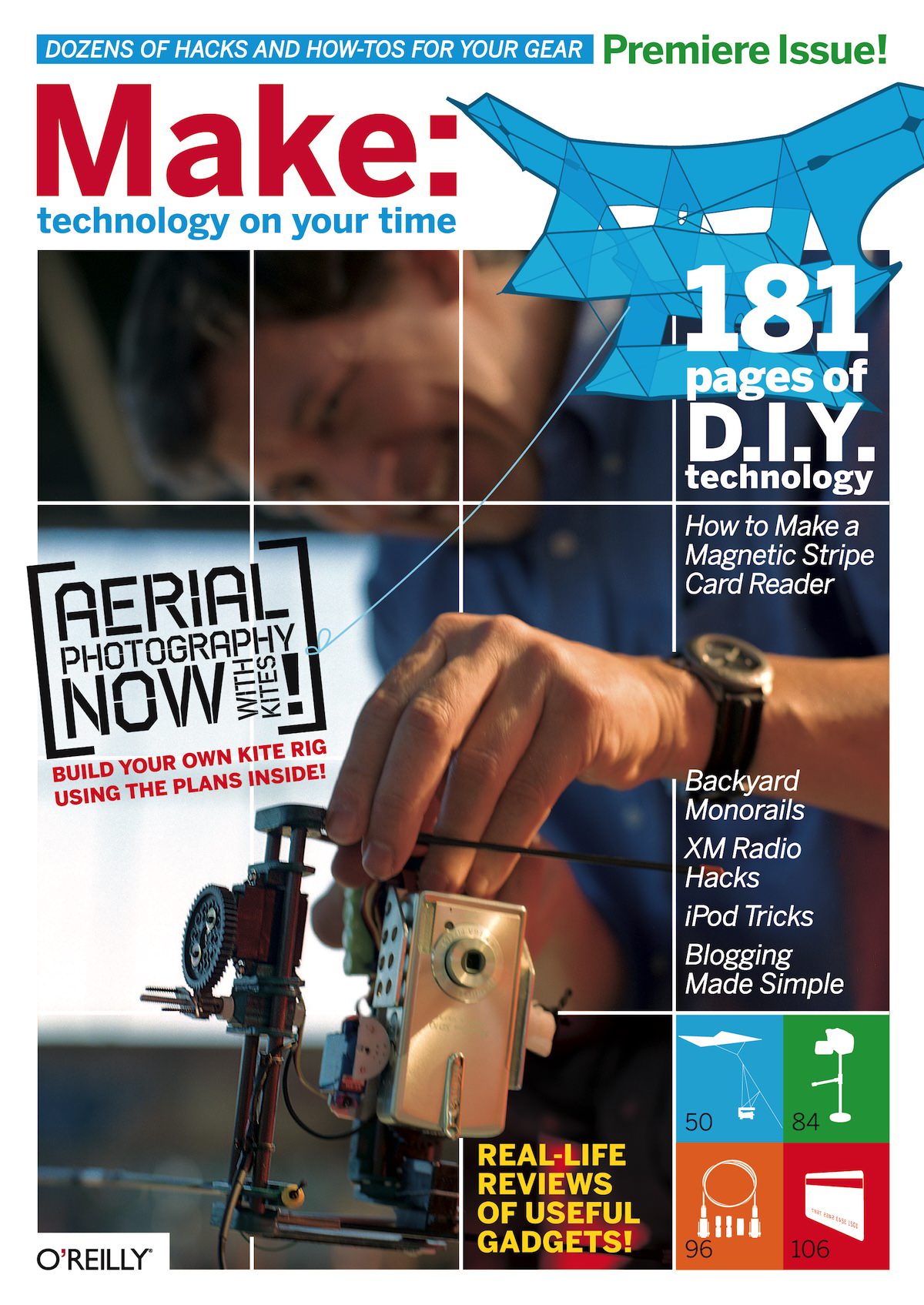
Making
Last week I talked a bit about identity in HCI.
The maker identity is really relevant to me.
Making things to find out what, whether, how, and why.
Making as research methodology (Frayling, 1993; Zimmerman et al., 2007).
The framing this week around sketches and prototypes as different things with rules may not be something I agree with!
Sketching Design Ideas
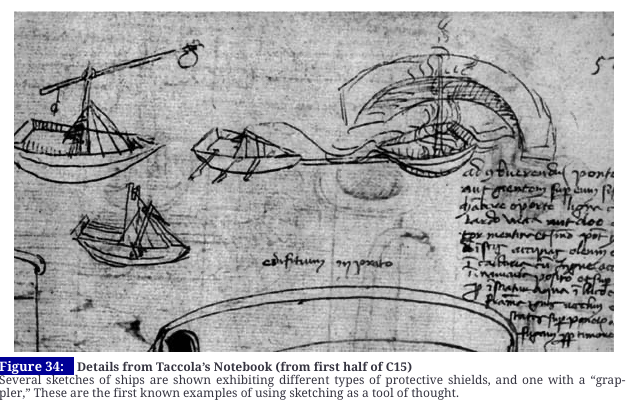
- What is a sketch?
- What makes something a sketch?
What is a sketch?
- quick
- timely
- inexpensive
- disposable
- plentiful
- clear vocabulary
- distinct gesture
- minimal detail
- appropriate degree of refinement
- suggest and explore rather than confirm
- ambiguous: you can get more out of a sketch than you put in!
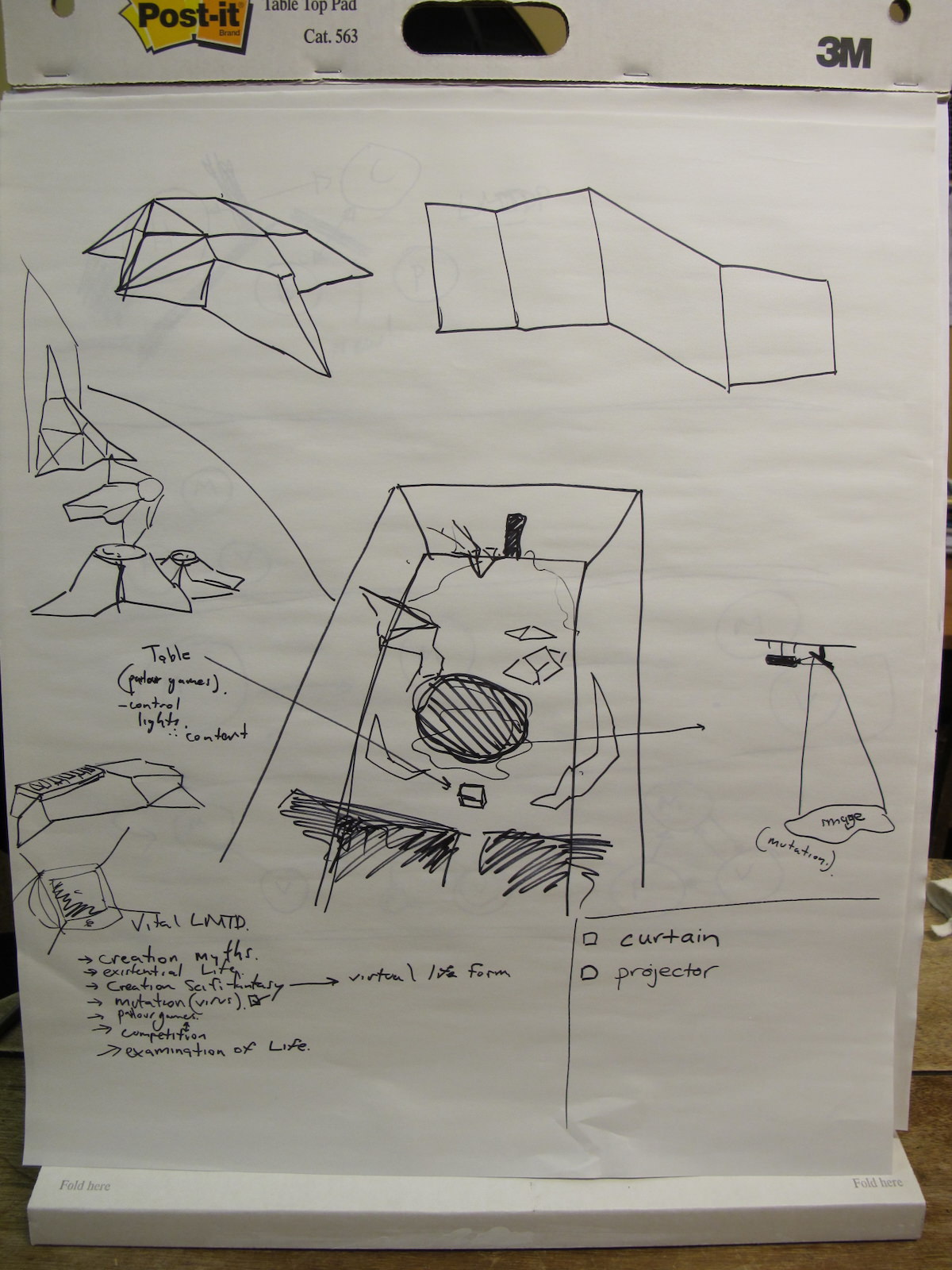
What should a sketch include?
This is up to you, but it could have
- title
- annotations
- short description
- a drawing
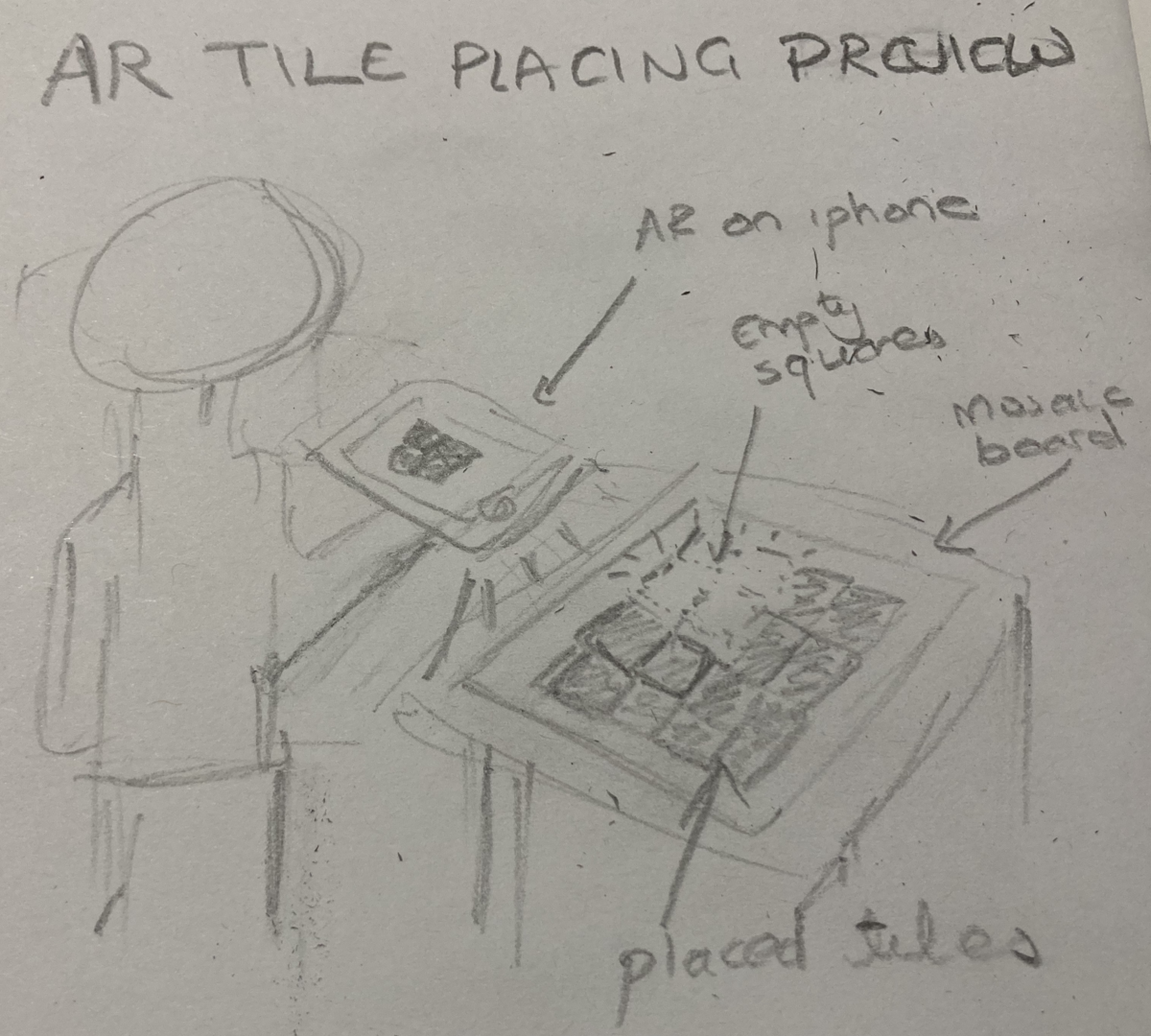
Design Idea: An AR app on a mobile phone that allows mosaic makers to preview tiles before gluing. This can help to choose colours and preview placement and positioning before being fixed.
Activity: Sketching toolkit?
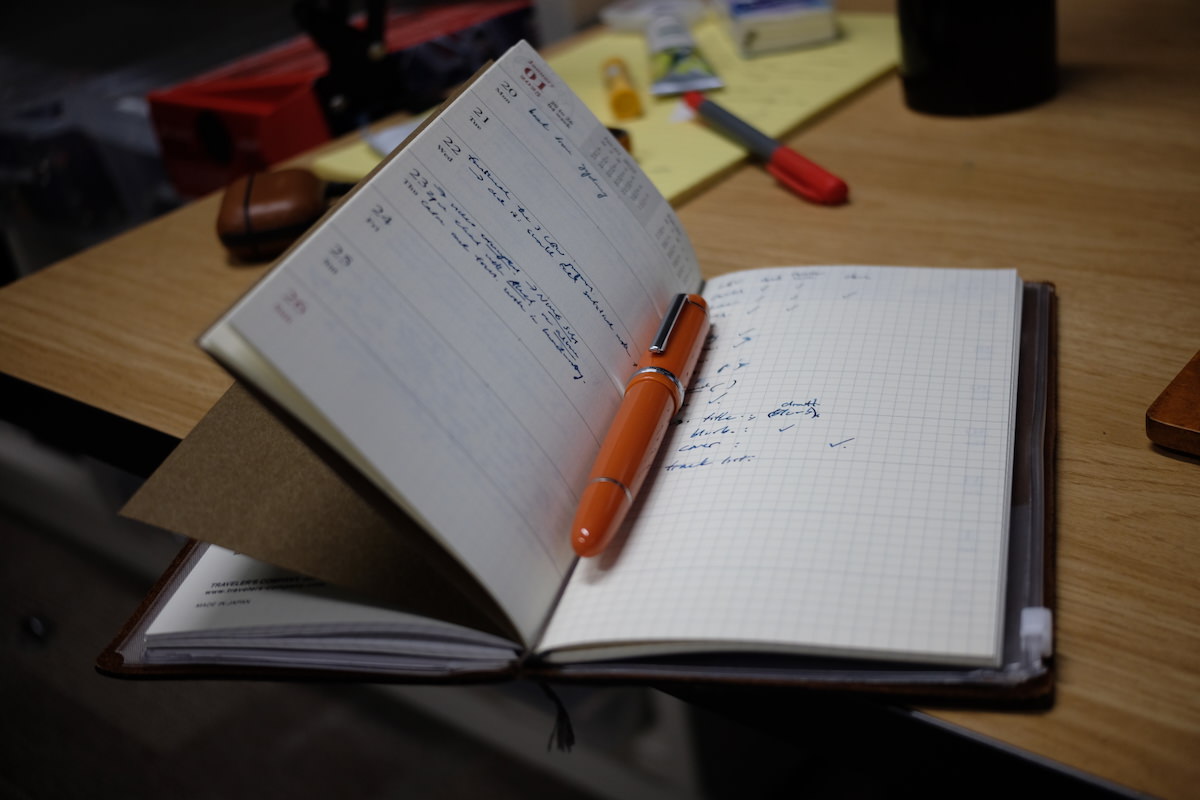
Talk: ✏️📓🖊️ What’s your sketching toolkit? How do you develop ideas?
Discuss with someone for 2 minutes then we’ll hear some answers.
I give you permission to buy expensive notebooks and pens for this course.
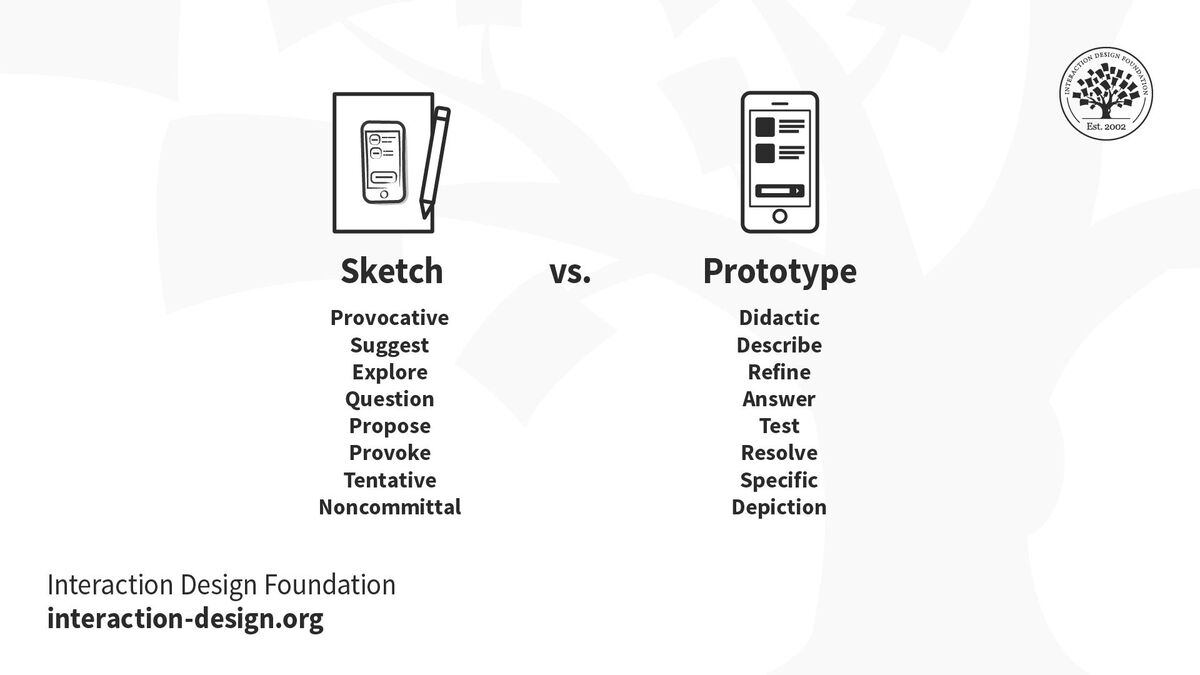
Is a sketch a prototype?
No.
Why not?
Is sketching still relevant when LLMs make implementation cheap?
Yes! (I argue).
Getting the Right Design vs Getting the Design Right
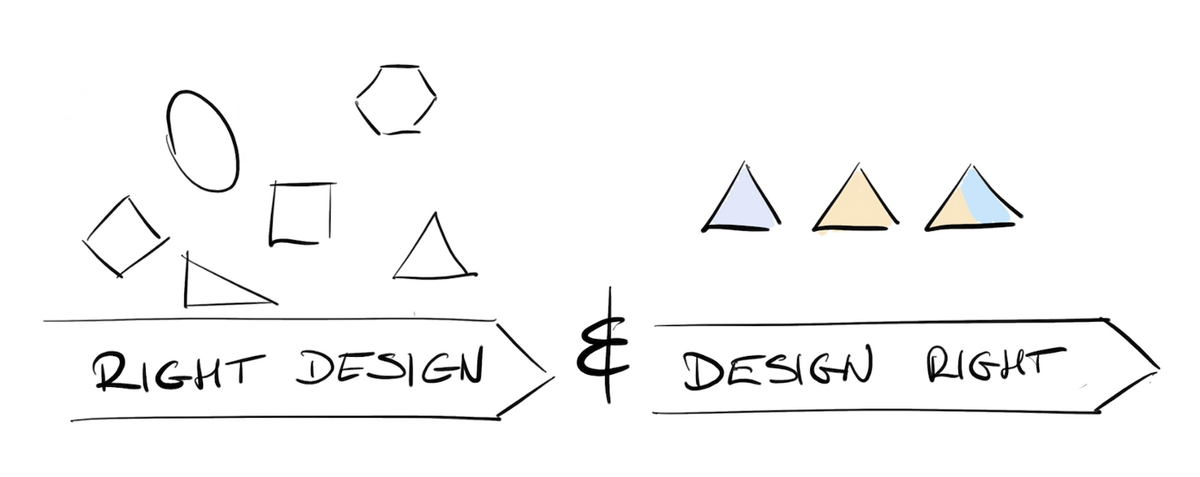
Bill Buxton sez! So do it! (Buxton, 2007)
Activity: Sketch Demo
Do: Let’s sketch something (sound familiar?):
How can a magpie order takeaway online?
- Suggest a design idea on PollEverywhere: https://PollEv.com/charlesmarti205
- Help me sketch it.
What is a prototype
- “primitive form”
- the form that comes before… something.
- in this context:
- a testable form
- a form we can experience
- enables evaluation and iteration
- primitive: should be somehow rough or limited
More of what a prototype is
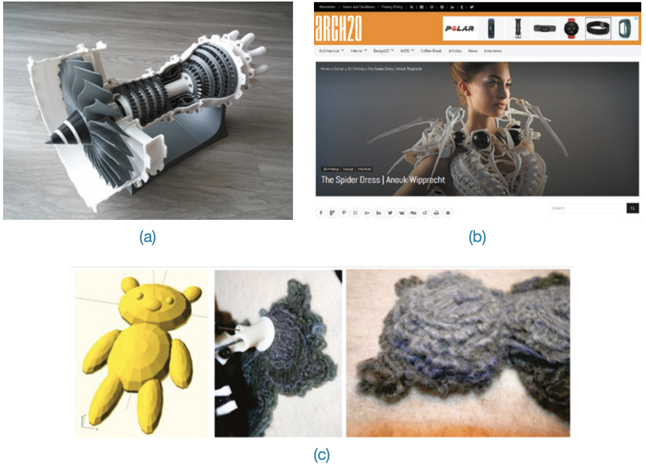
manifestation of an idea (Doorley et al., 2018), e.g.:
- a wall of post-its
- a role-playing game
- an activity
- an object
- a program
- a website
- an app
Why make prototypes
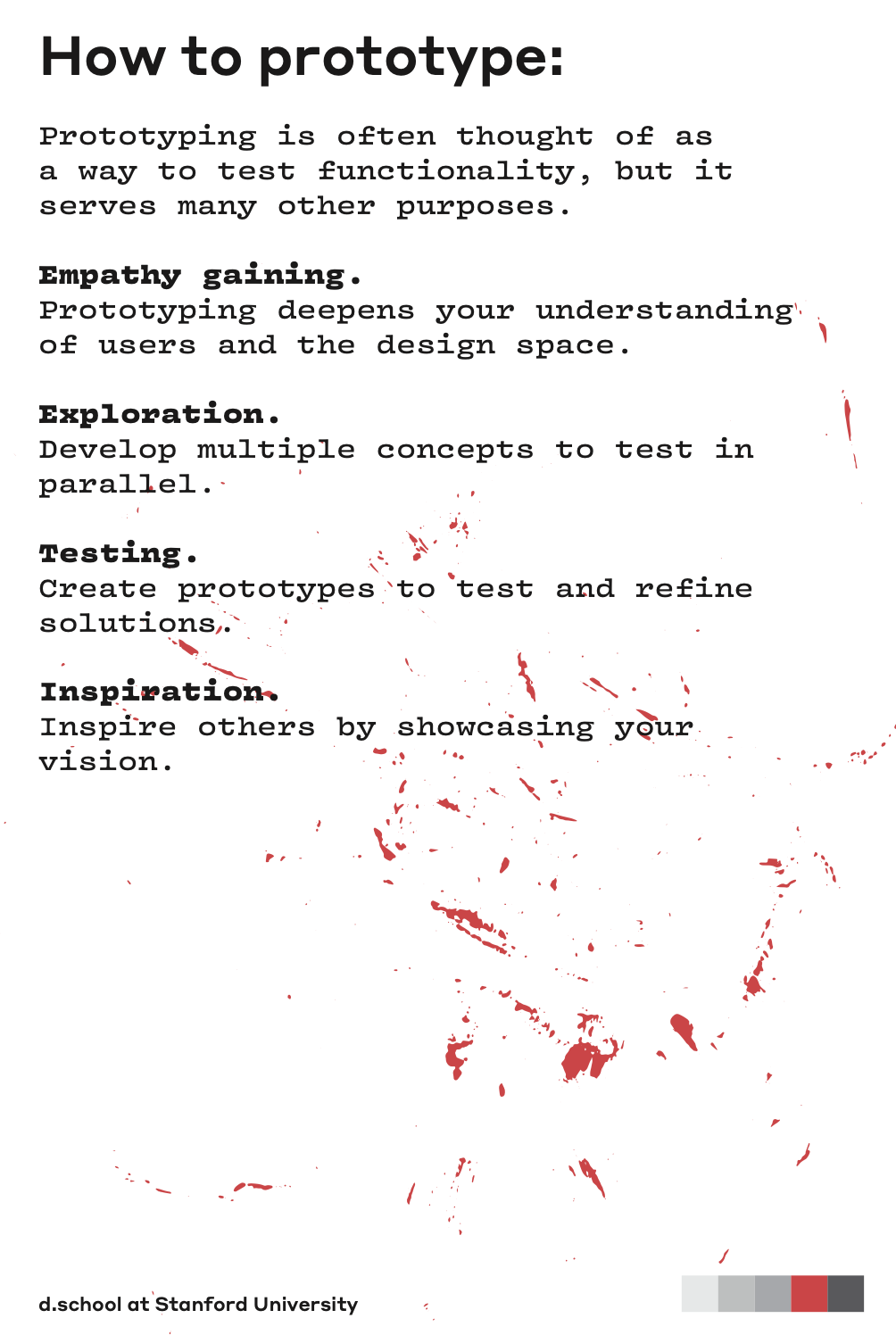
- empathy gaining
- exploration (build to think)
- testing
- inspiration
- learn
- solve disagreements
- start a conversation
- fail quickly and cheaply
- manage solution-building (Doorley et al., 2018)
Game
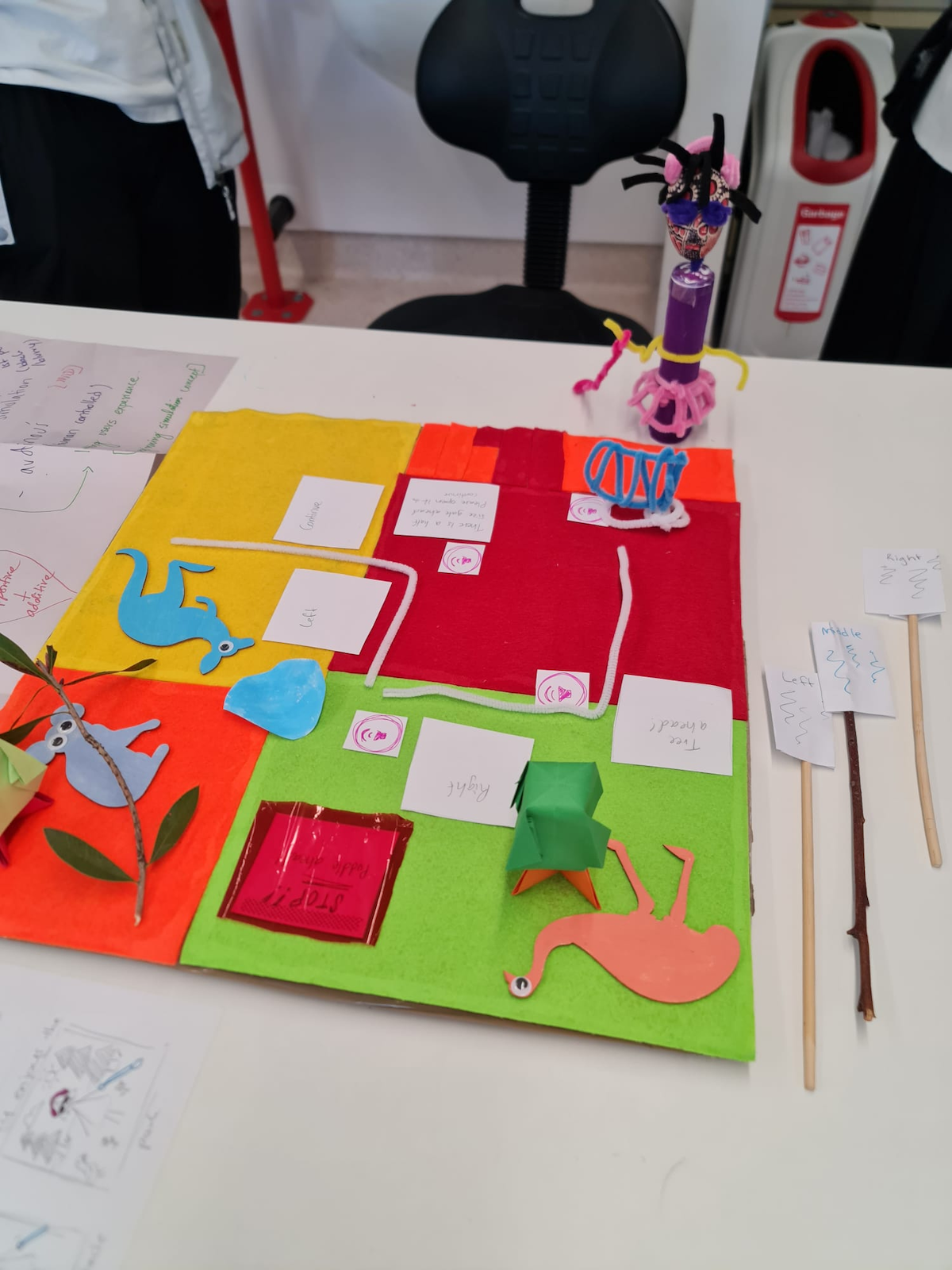
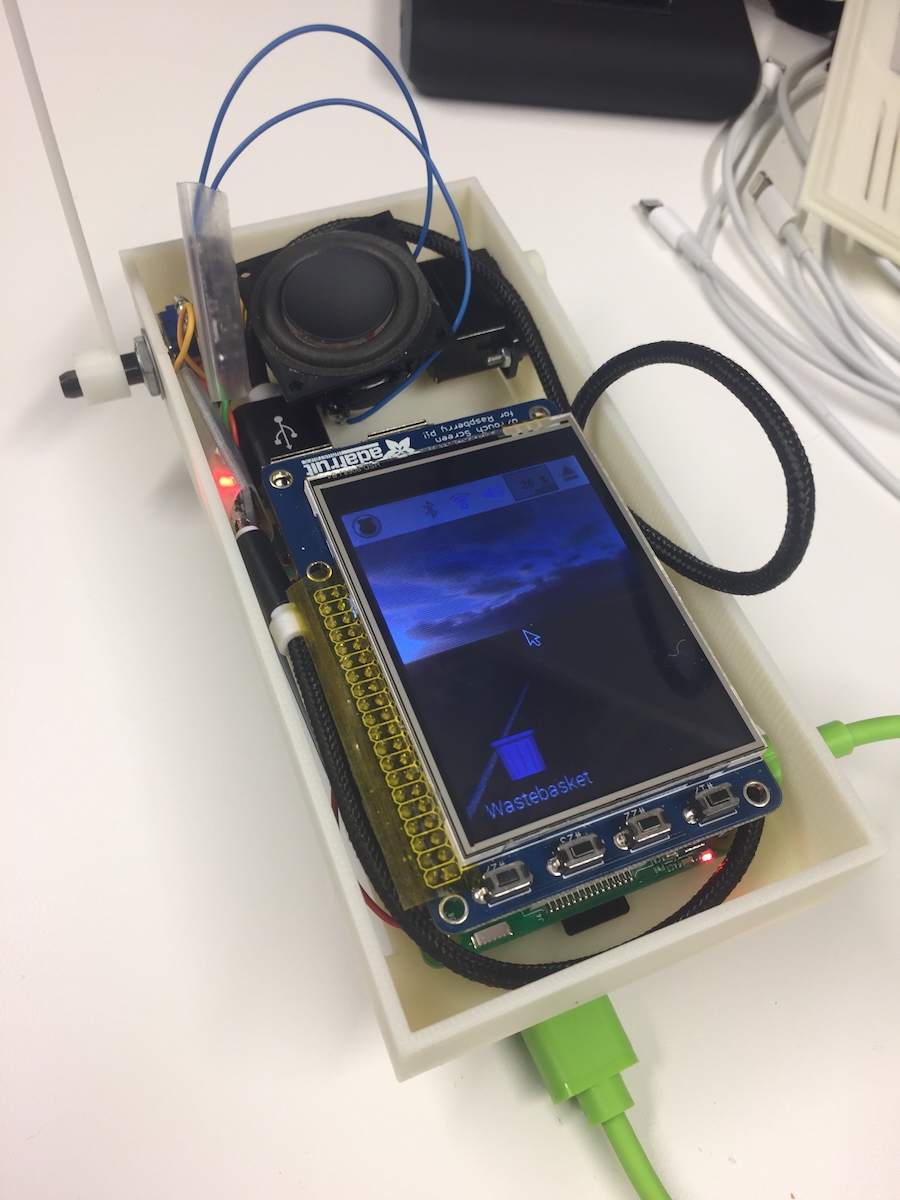
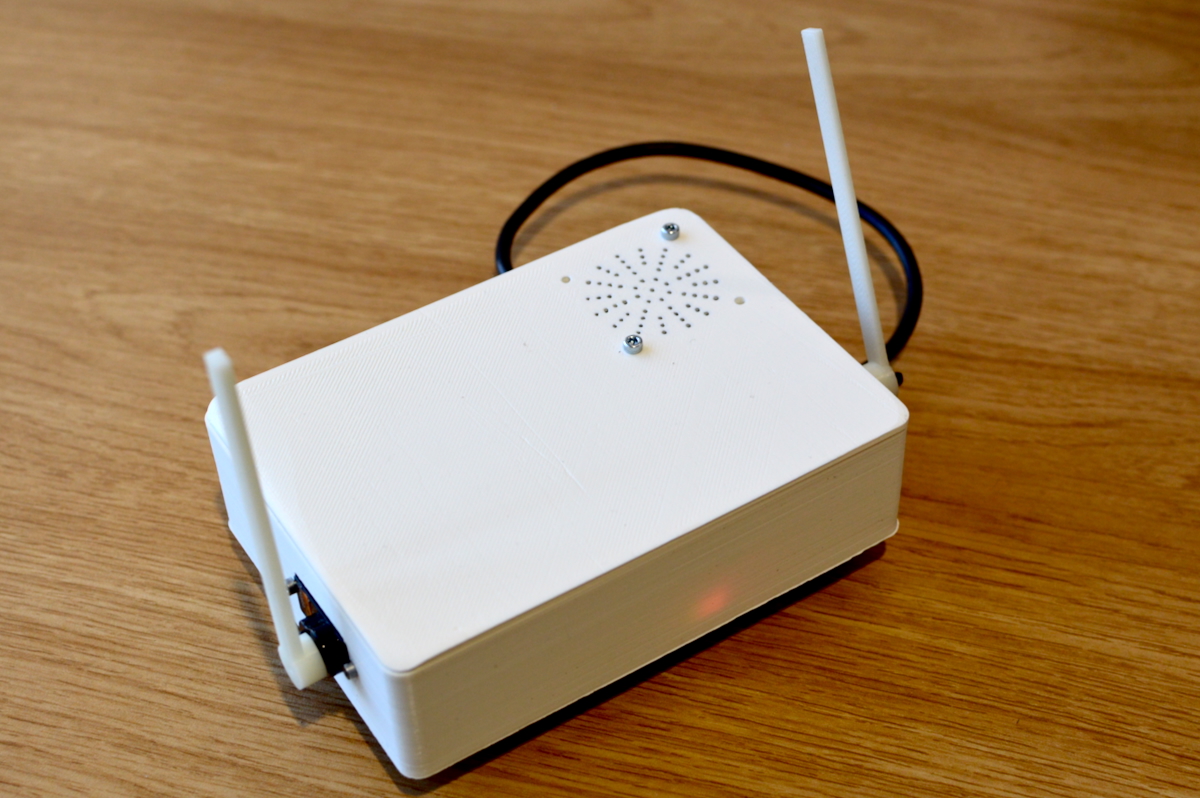
EMPI (embodied musical predictive interface)
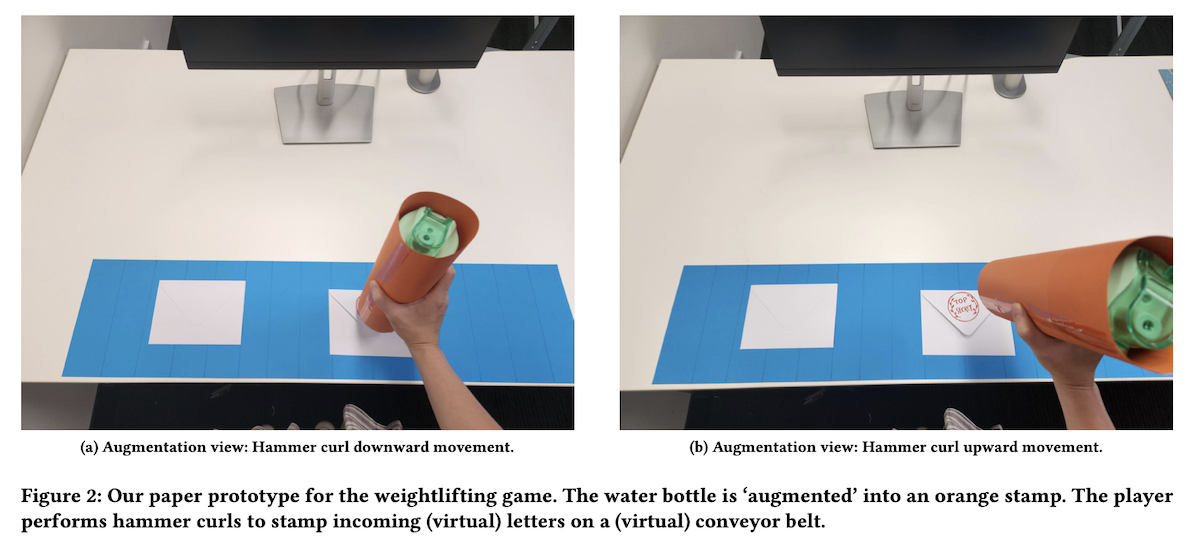
Charades: Waterbottle Stamp (2025)
Storyboard
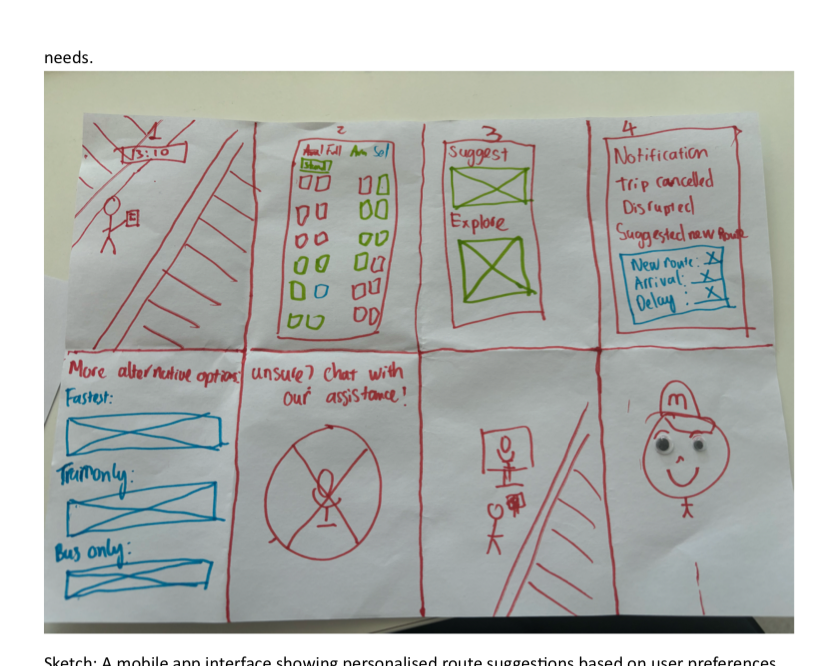
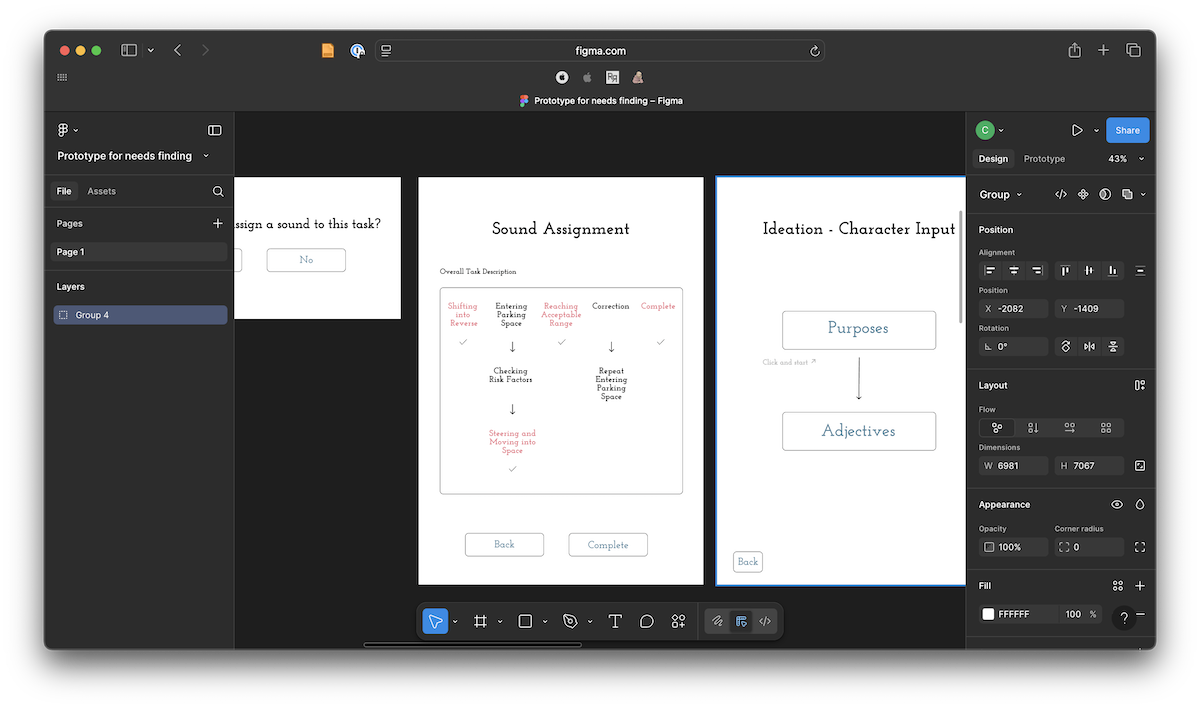
Wireframe
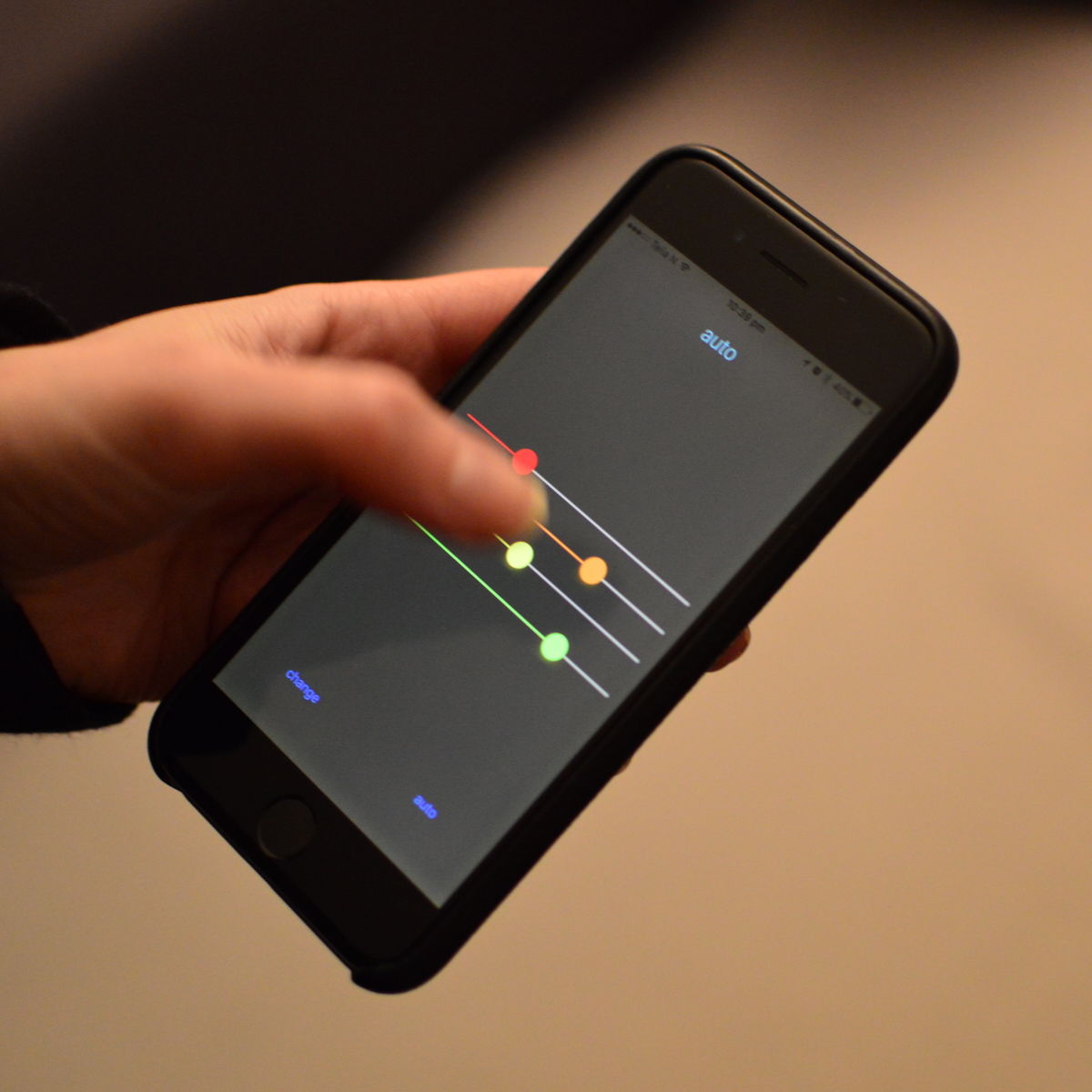
FaderJam (2016)
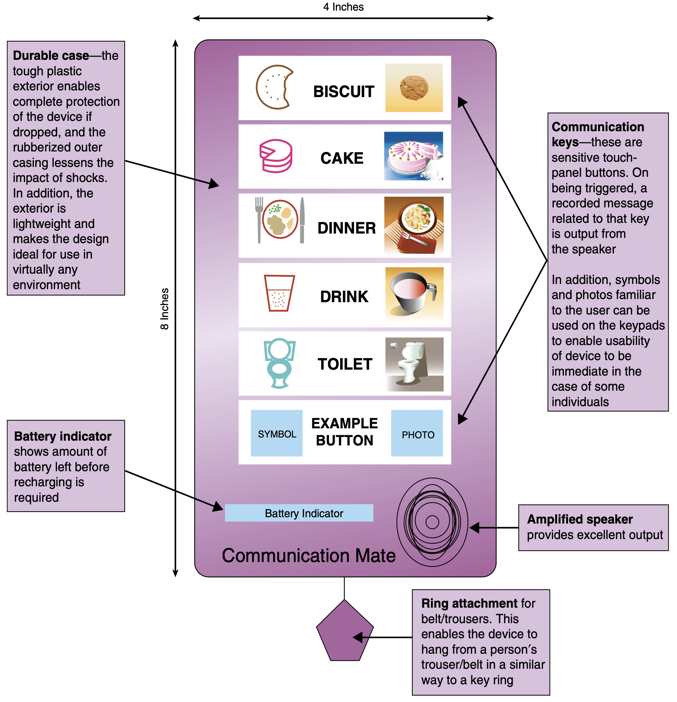
Wireframe App
- Paper-based prototype to help a child with autism to communicate
- Functions and buttons
- Positioning and labels
- Shape of the device
- No actual functionality
The prototyping spectrum
- High Fidelity Prototype
- Low Fidelity Prototype
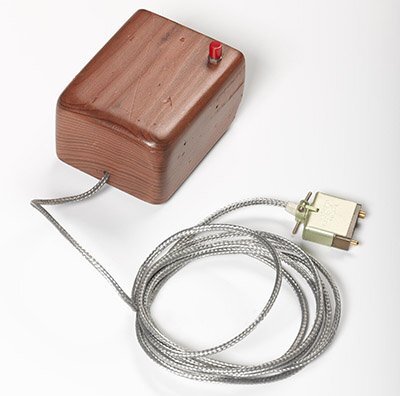
- https://collection.maas.museum/object/115505
- https://www.youtube.com/watch?v=k_9Q-KDSb9o
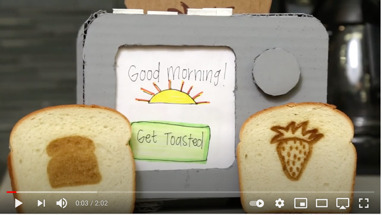
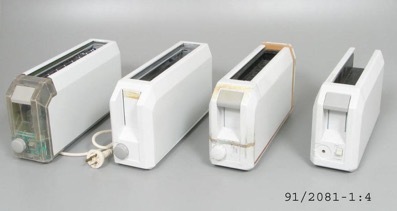
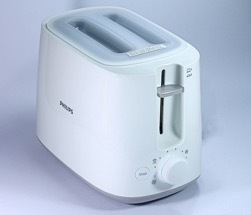
Prototyping - Low-Fidelity
- Don’t look/act like the final product
- Simple, cheap, quick to produce/modify
- Support exploration of alternative designs/ideas
- Important in early stages - exploration/modification
- Not meant to be kept and used for the final product
- Storyboarding, Sketching, Index Cards, Wizard of Oz
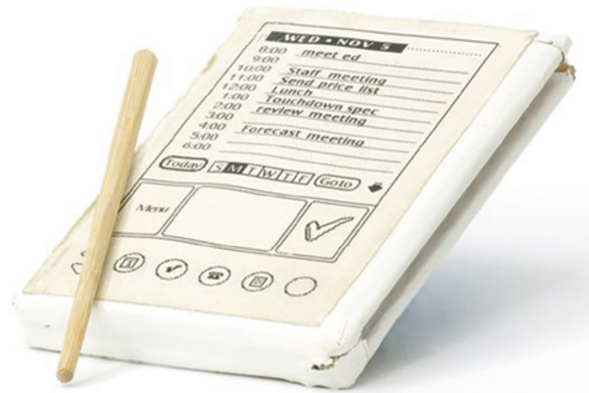
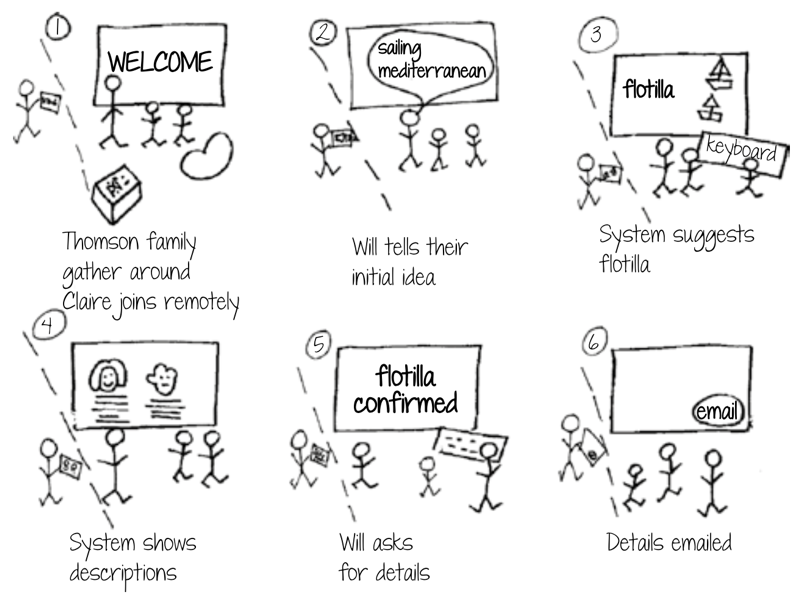
Low-Fi: Storyboards
- a scenario is one story
- a storyboard represents a sequence of events (can be sketches)
- generated from scenario
- break the story into steps
- thinking through process
- think about design issues
Low-Fi: The Role of Sketching
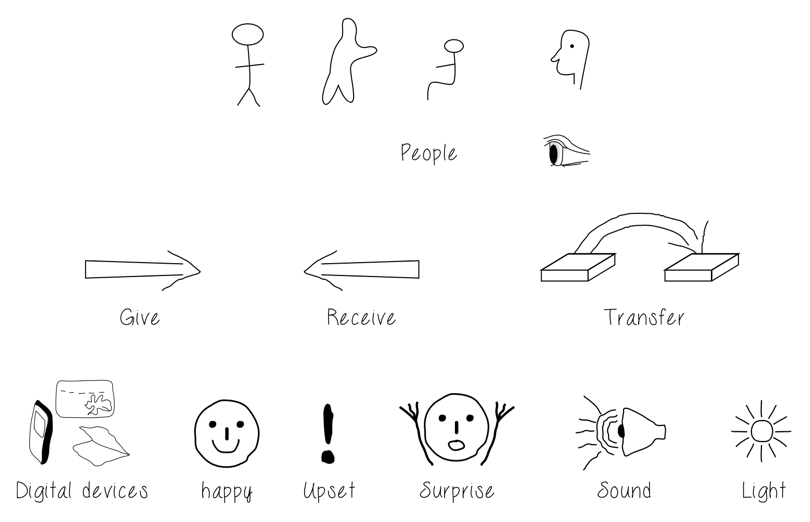
- Sketching - a key part of low-fidelity prototyping
- “Sketching is not about drawing. Rather, it is about design” (Greenberg et al., 2012)
- Sketching vocabulary, required elements
So a sketch is a prototype? Which is it?
Low-Fi: Card-Based Prototypes
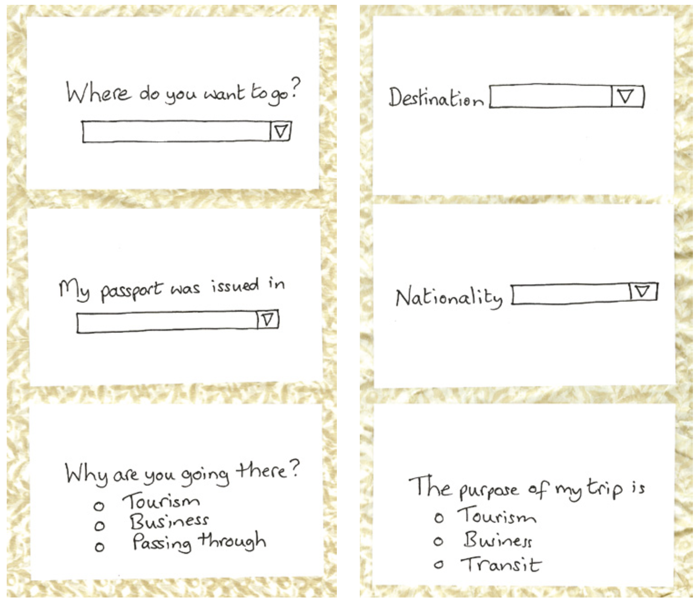
- Index cards (Small pieces of cardboard: 3x5 inches)
- Each card represents one element of the interaction
- A screen, icon, menu, dialog exchanges
- User can step through the cards
- Pretending to perform the task while interacting
- Explore user experience
Low-Fi: Paper and Cardboard Prototypes
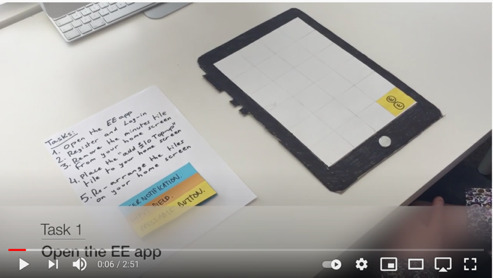
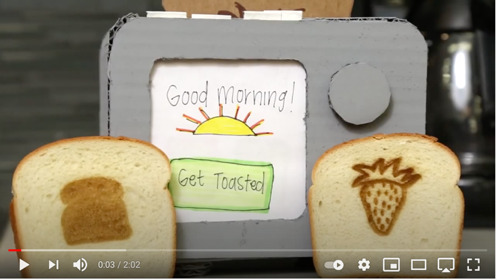
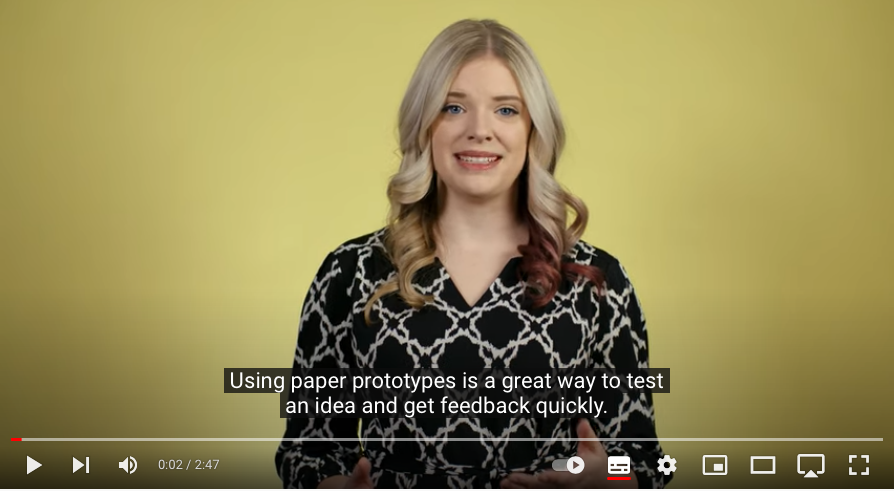
Paper Prototyping
It’s not just the prototypes, but how you use them!
Low-Fi: Wireframes
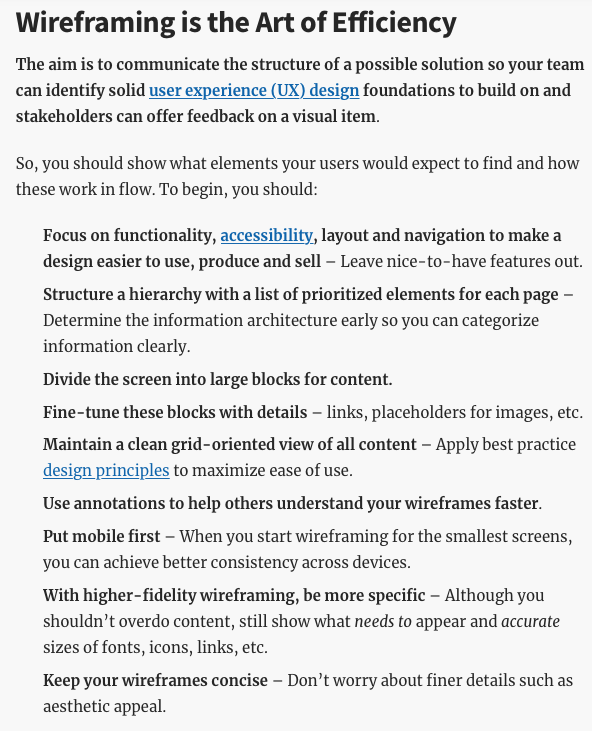
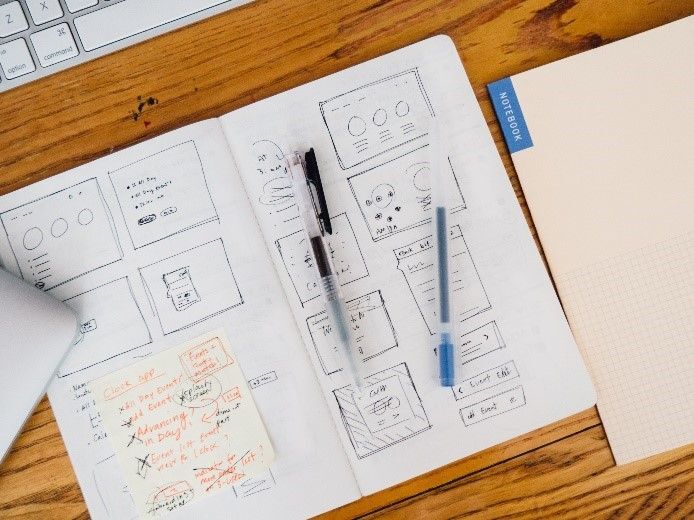
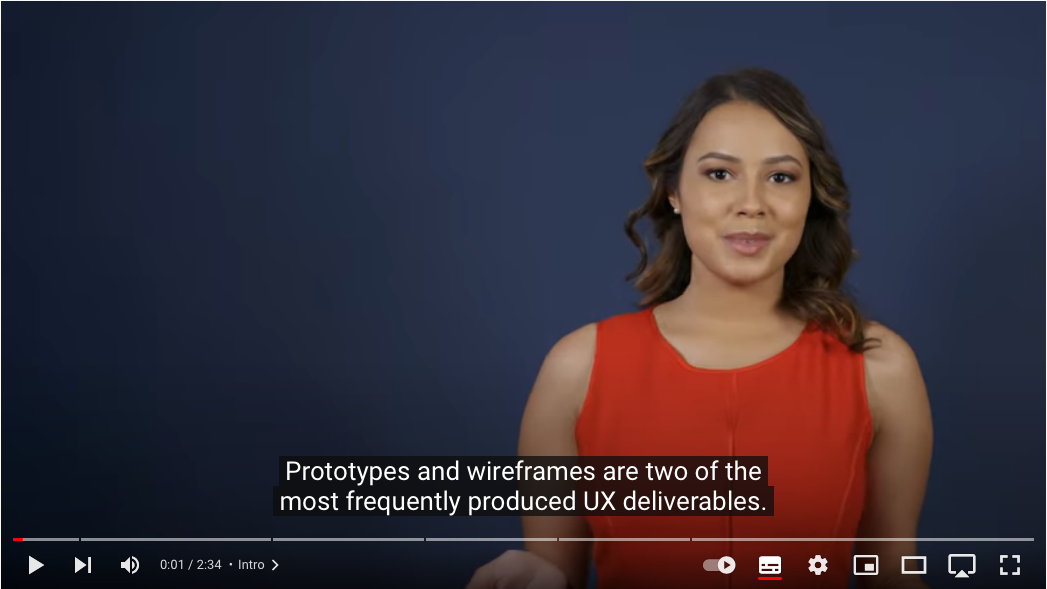
Prototypes vs Wireframes
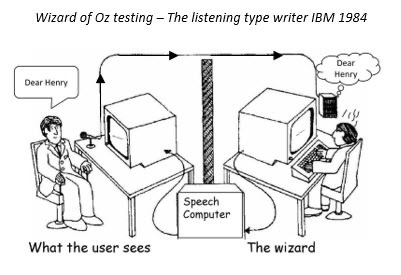
Wizard of Oz Experiments
Can we test a product that doesn’t exist?
- user interacts with the software
- a human simulates the software’s response
- assumes a software product or app
- see Porcheron et al. (2021) for a look behind the curtain
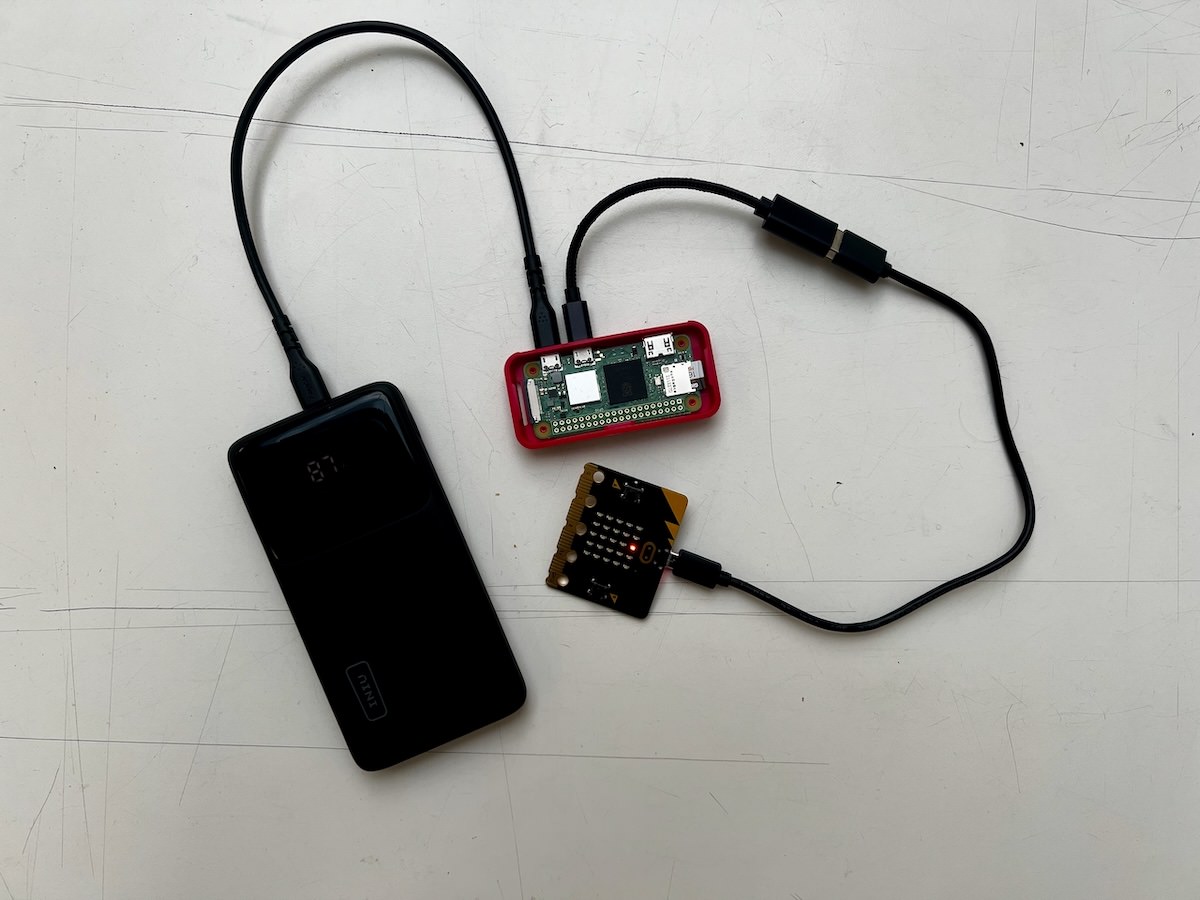
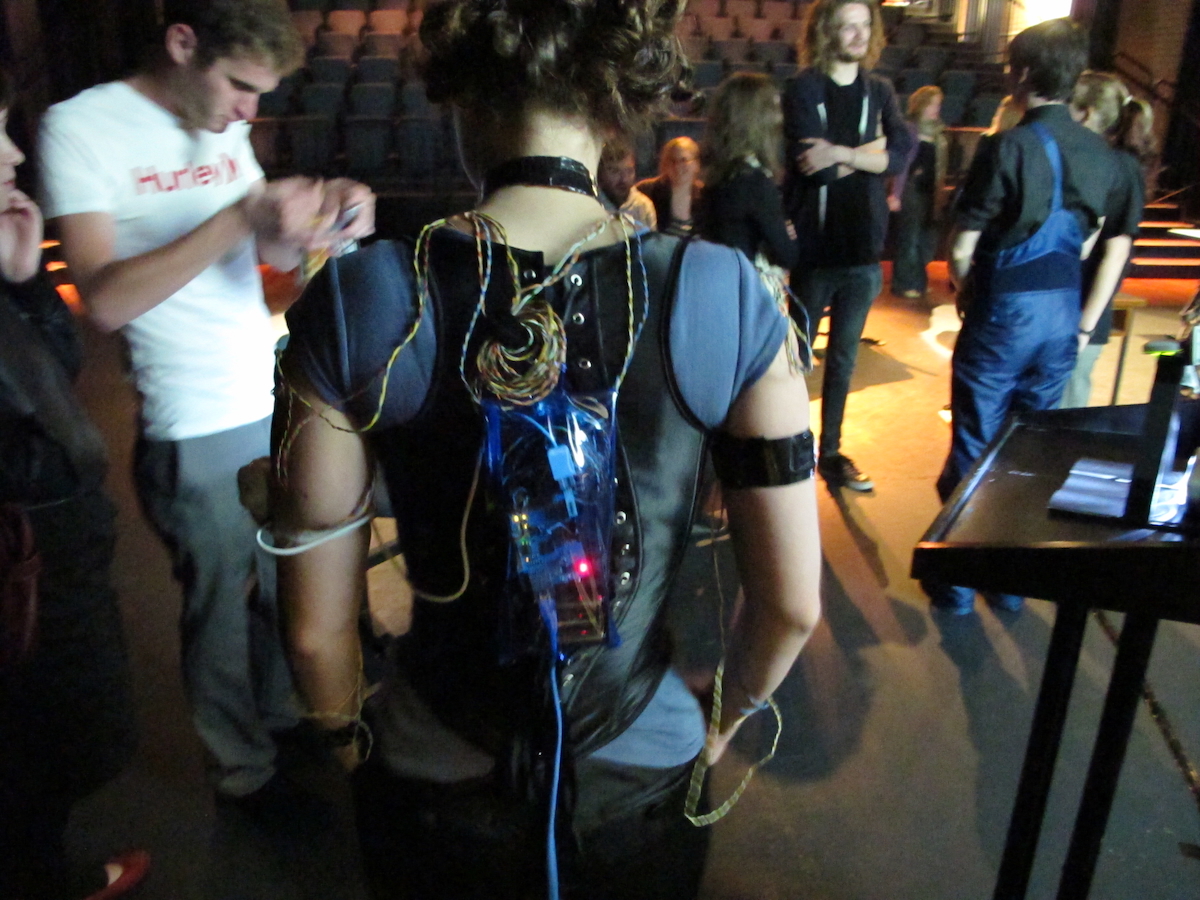
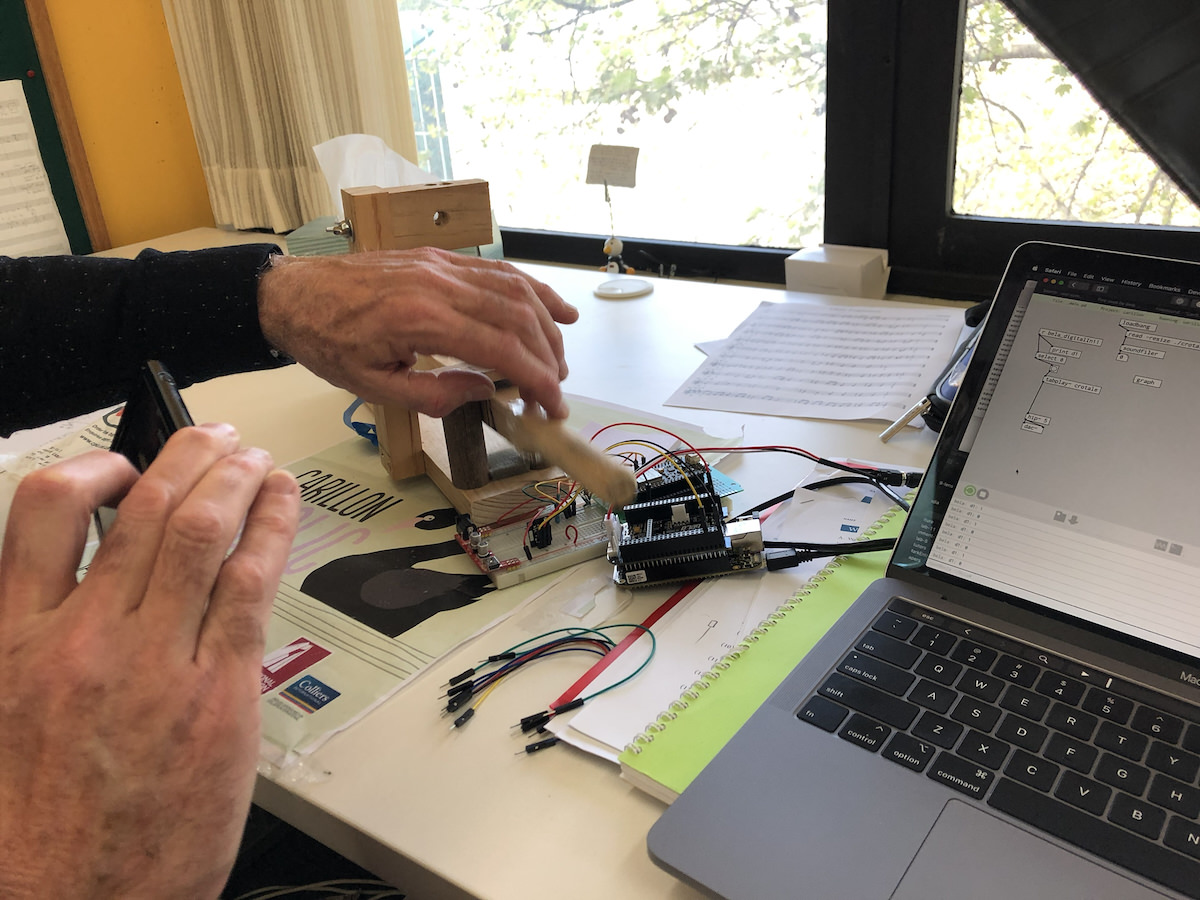
Making Hardware Prototypes
- Build working prototype systems in hardware
- micro:bit - cheap, small, with IO on the board (hello comp2300!)
- arduino, big ecosystem, not-as-good boards.
- raspberry pi, cheap way to get Linux into a prototype
- Bela (charles’ friends!), pricey but hard realtime OS is good for audio interactions.
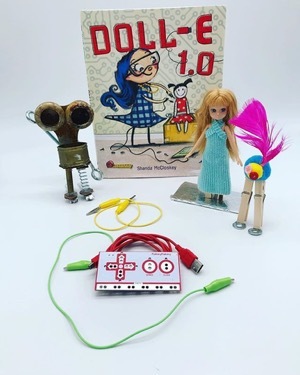
Makey Makey
- alligator clip to connect switches / sensors
- works as a keyboard
- e.g., banana spacebar
- programmable arduino-like microcontroller
High-Fidelity
- looks and acts more like the final product
- answer design questions, learn about constraints
- evolve through stages of fidelity
- can be used in a real application setting
- design-evaluate-redesign cycles
- modify/integrate existing components / tools / kits
Post-its, notebooks, arts and craft materials
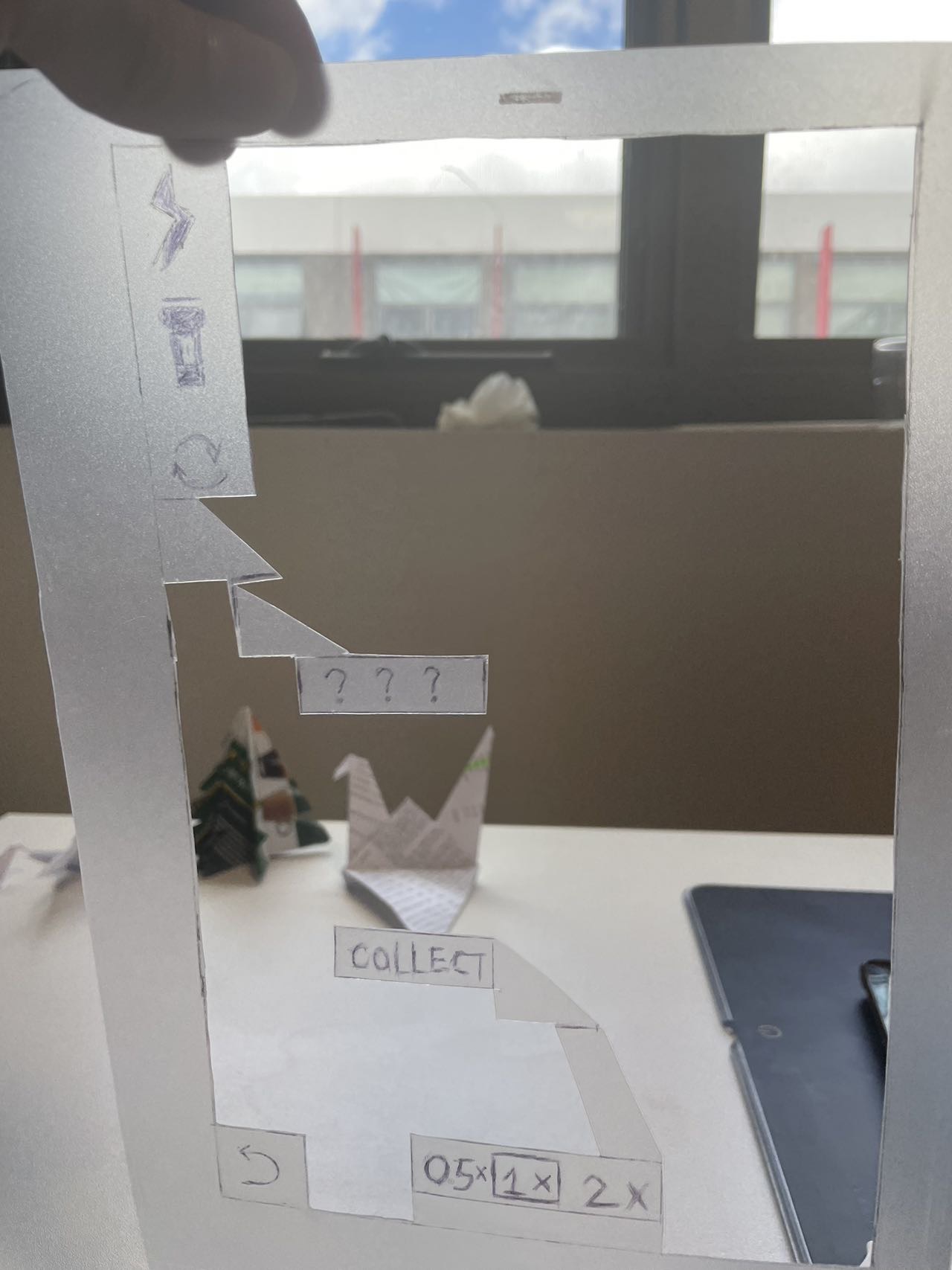
- take one step up from sketching
- paper version of your work testable
- low tech, low-fi, low risk, low cost
- from storyboards to cardboard mockups with moving parts
Note: You’ll do this in the tutorial next week!
Instruction: Use this method for assignment 1!
Digital Wireframe
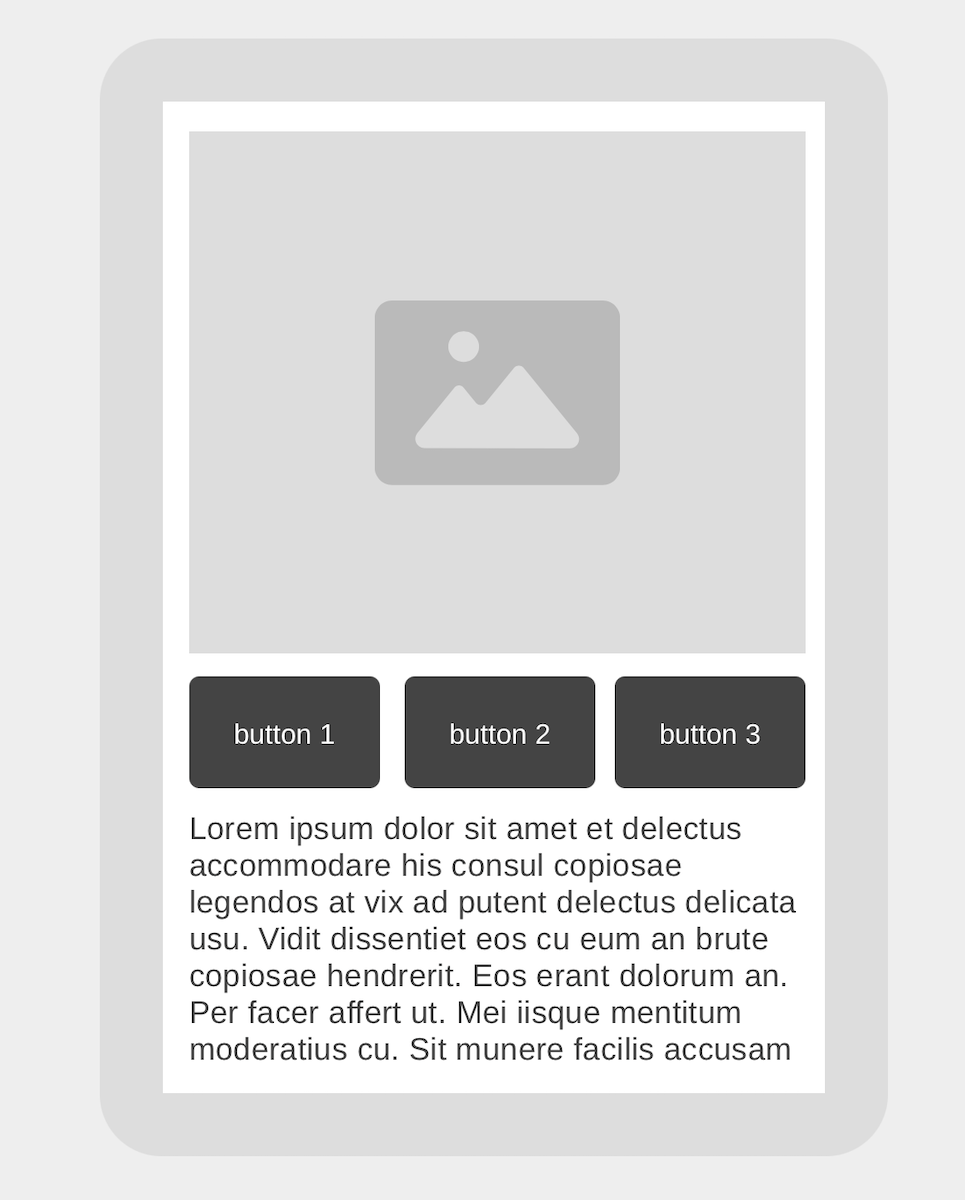
wireframes are visual plans for a user interface focussed on structure.
Established part of UX design process. Can walk through details of an interactive system with stakeholders.
Warn: Don’t do this for assignment 1!
p5.js or Processing
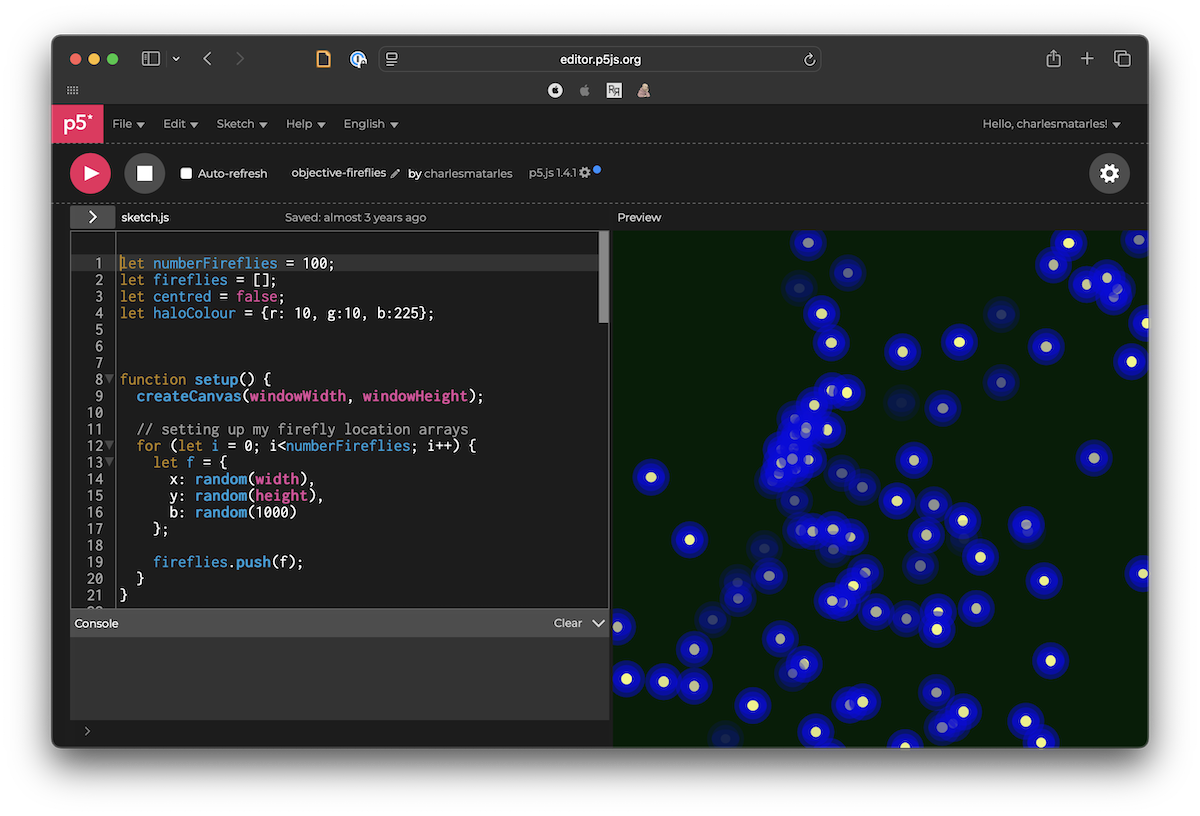
Make interactive systems quickly with a “sketching in code” mindset.
- Processing is the original (Java-based)
- includes a simple IDE and library system
- p5.js is a javascript port
- includes an online editor
Fast, interactive, not good for “normal” web design.
Hardware Prototyping
Sketch in hardware.
- Arduino, Microbit, Bela
- soldering and circuit design
- 3D printing
- fun, frustrating
- can be expensive
Convincing to test with a “real” product, can be used in real-world experiences.
Web or Application Stack (of your choice)
Everybody has different skills and areas of interest.
- where are you comfortable to experiment?
- where do you want to build experience?
- for Charles it’s usually:
- Python/Flask/Bootstrap
- or iOS/iPadOS, libpd (for sound)
Need to be careful to focus on prototyping. What does a prototype not need?

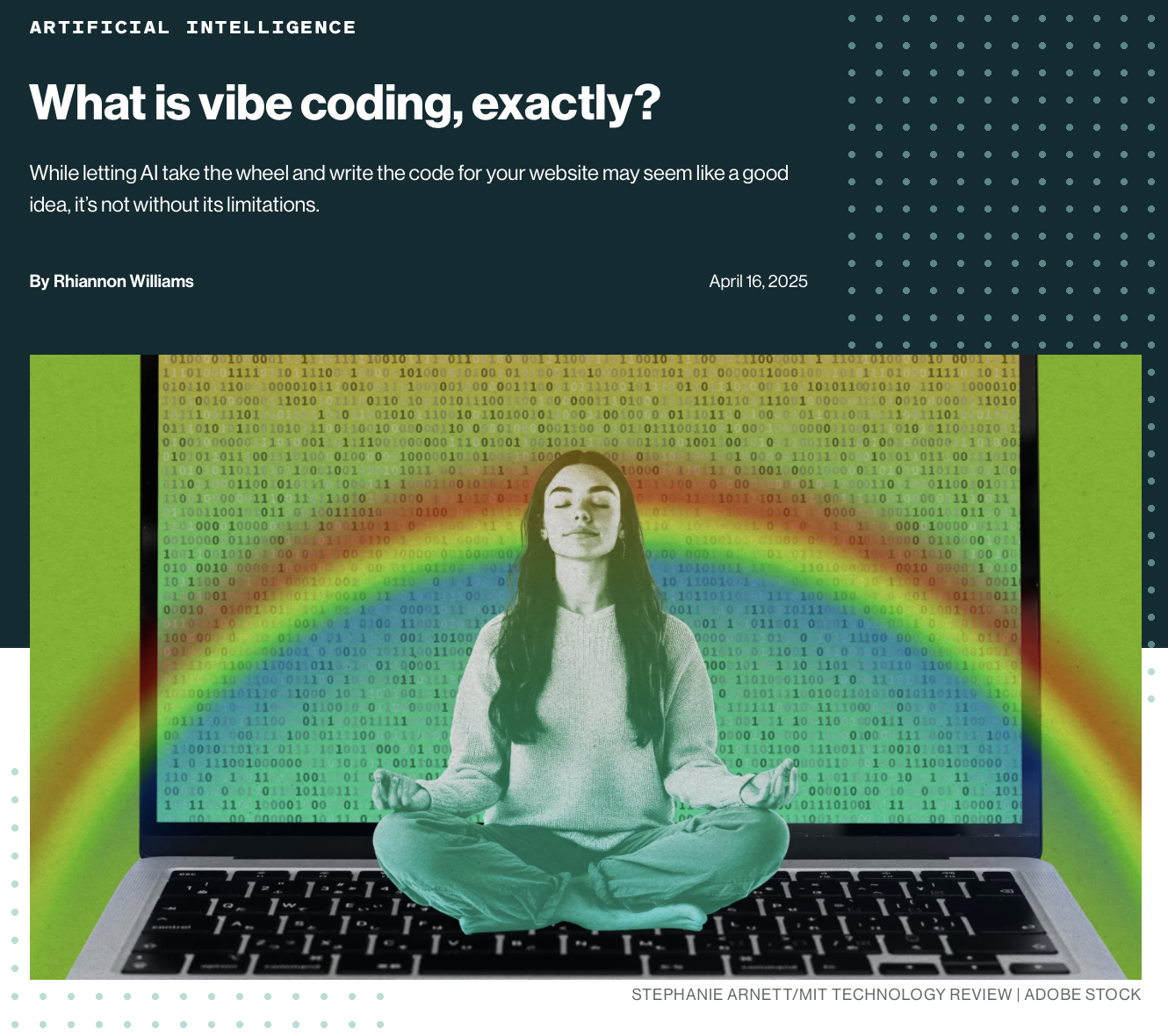
Vibe Coding
Claude/Chattie G and even gemma4:e4b are pretty good at
making interactive websites!
- agentically build a prototype of your idea.
- fast, cheap
- risks?
- problems?
- affordances?
Changes the value calculations in HCI: we can build more/better prototypes faster. What are the new friction points?
Activity: prototyping by request
Do: Can we live-code a prototype before the end of this lecture?
- Choose a prototype idea on PollEverywhere: <PollEv.com/charlesmarti205>
- Help me figure out how to prototype it.
- ???
- 💸💸💰💲
Questions: Who has a question?
Who has a question?
- I can take catchbox questions up until end of the lecture
- For after class questions: meet me outside the classroom at the bar (for 30 minutes)
- Feel free to ask about any aspect of the course
- Also feel free to ask about any aspect of computing at ANU! I may not be able to help, but I can listen.