SMC workshop times are available on ANU MyTimetable. These workshops are on-campus only. Please sign-up for a workshop as soon as possible.
The weekly workshop sessions are the most important learning activity in SMC. If you’re enrolled in the class you must attend (in person) every week.
What to do
Before you attend the workshop you must have read the corresponding lecture material (see below) and have submitted your weekly diary entry. Each week’s content includes:
- a description of the “creative provocation” for that week’s diary entry
- videos to watch
- code to read
- other reading material (papers, blog posts, etc.)
Engaging in the workshops fully is your guarantee of success in this course. Nobody in the class has experience in computer music (you wouldn’t need the course in that case) but most folks will either have experience in computing or music. The workshops are where you get to fill in the gaps in your knowledge and work with the folks who will become your laptop ensemble by the end of the semester. Further, if you do not participate in workshops, you will not be able to fully complete your portfolio assessment items. Plan to not miss a single one.
Workshop Timeline
Each workshop will include 1.5 hours of teaching and 0.5 hours of individual consultation time.
| time | activity |
|---|---|
| 00:00 | show up, get settled |
| 00:05 | listen to that week’s AV diary submissions |
| 00:30 | crit discussion |
| 00:40 | small group jam activity |
| 01:00 | group performances |
| 01:20 | discussion and feedback |
| 01:30 | individual consultation time |
Time is precious and we don’t want to waste yours so we will stick to this timeline as much as possible.
In the consultation time you can feel free to talk to the tutor about your work, keep working in the classroom with your ensemble, or leave the classroom if you want.
Content
Week 1: hello sine
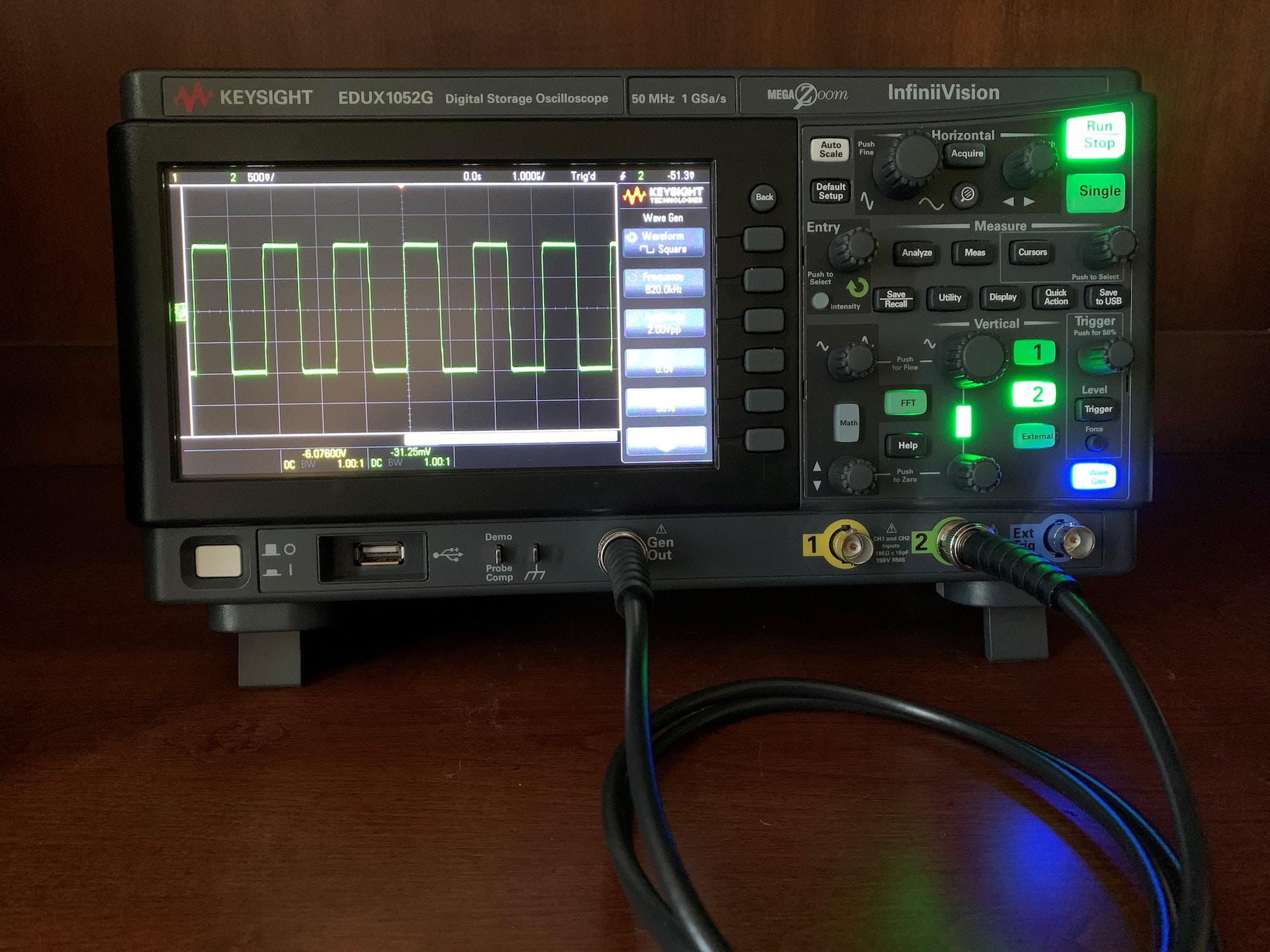
No Diary: No computer music diary this week. (link)
Week 2: digital synthesis
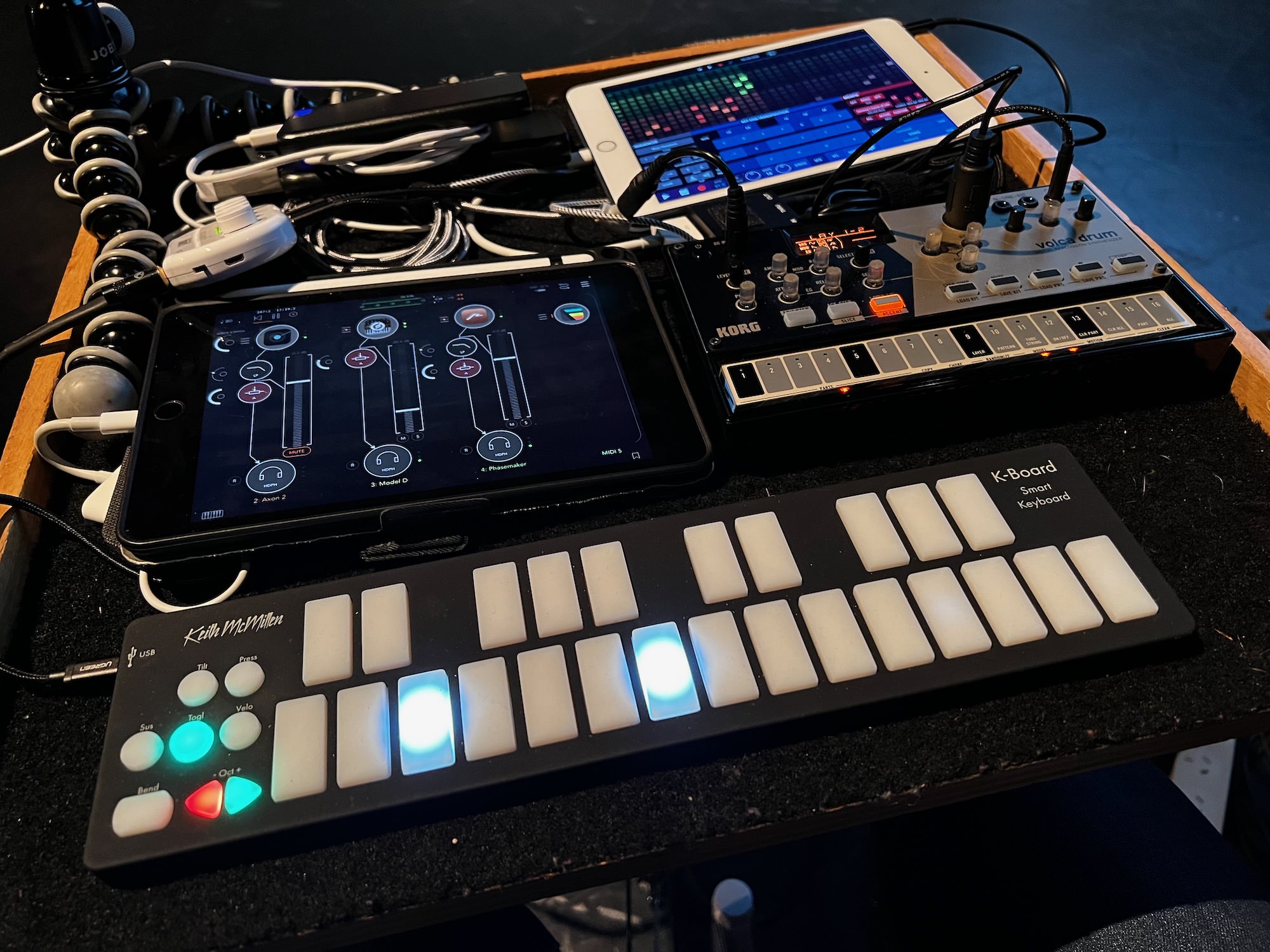
Solo Diary: Create a piece in Pure Data (Pd) which has two perceptually distinct waveforms/sounds. (link)
Week 3: sampling 1
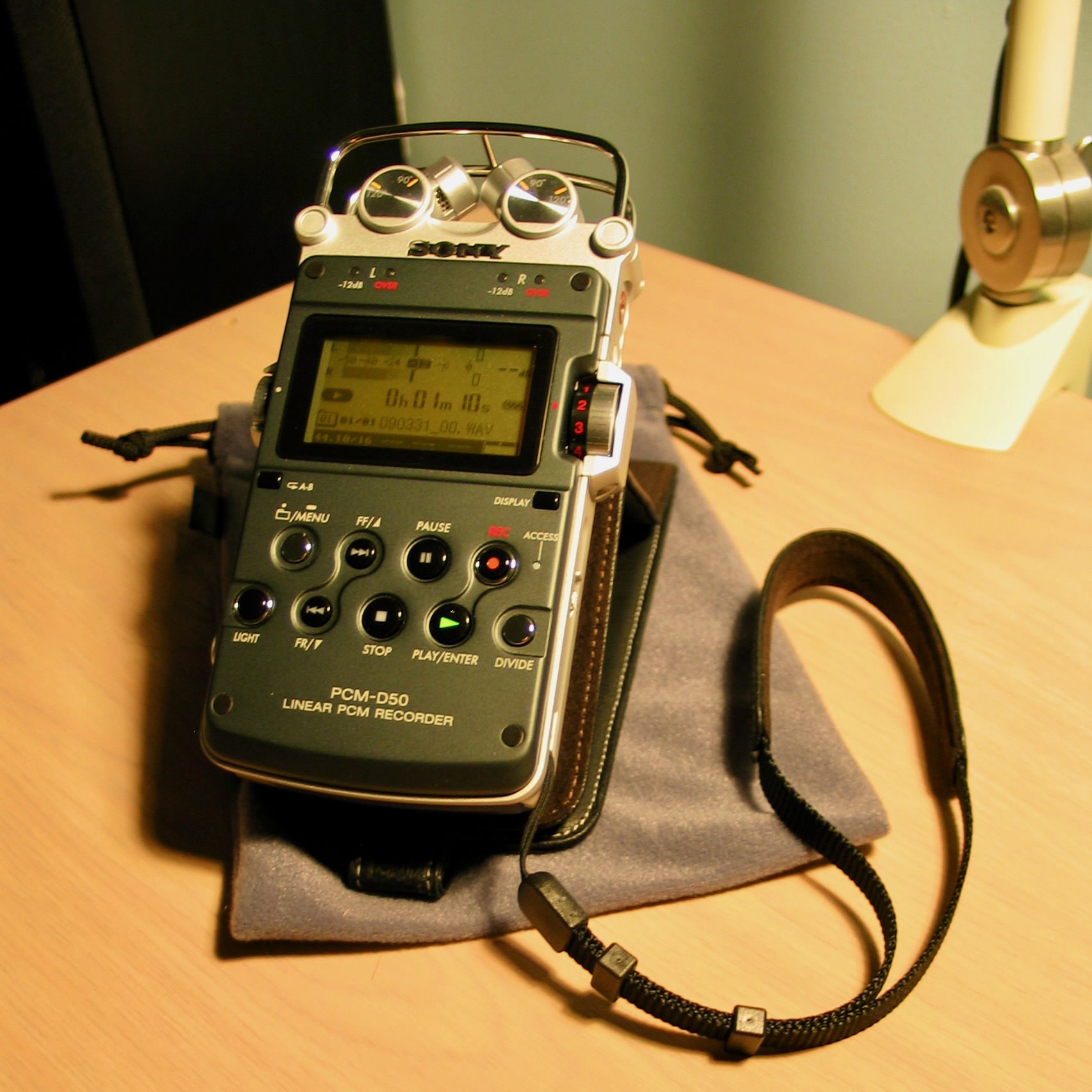
Solo Diary: Create a piece in Pure Data (Pd) using one or more sampled sounds which say something about you. (link)
Week 4: envelopes, notes and compositions

Solo Diary: With a single sound source, create a piece in Pure Data (Pd) using envelopes. (link)
Week 5: networks & collaboration
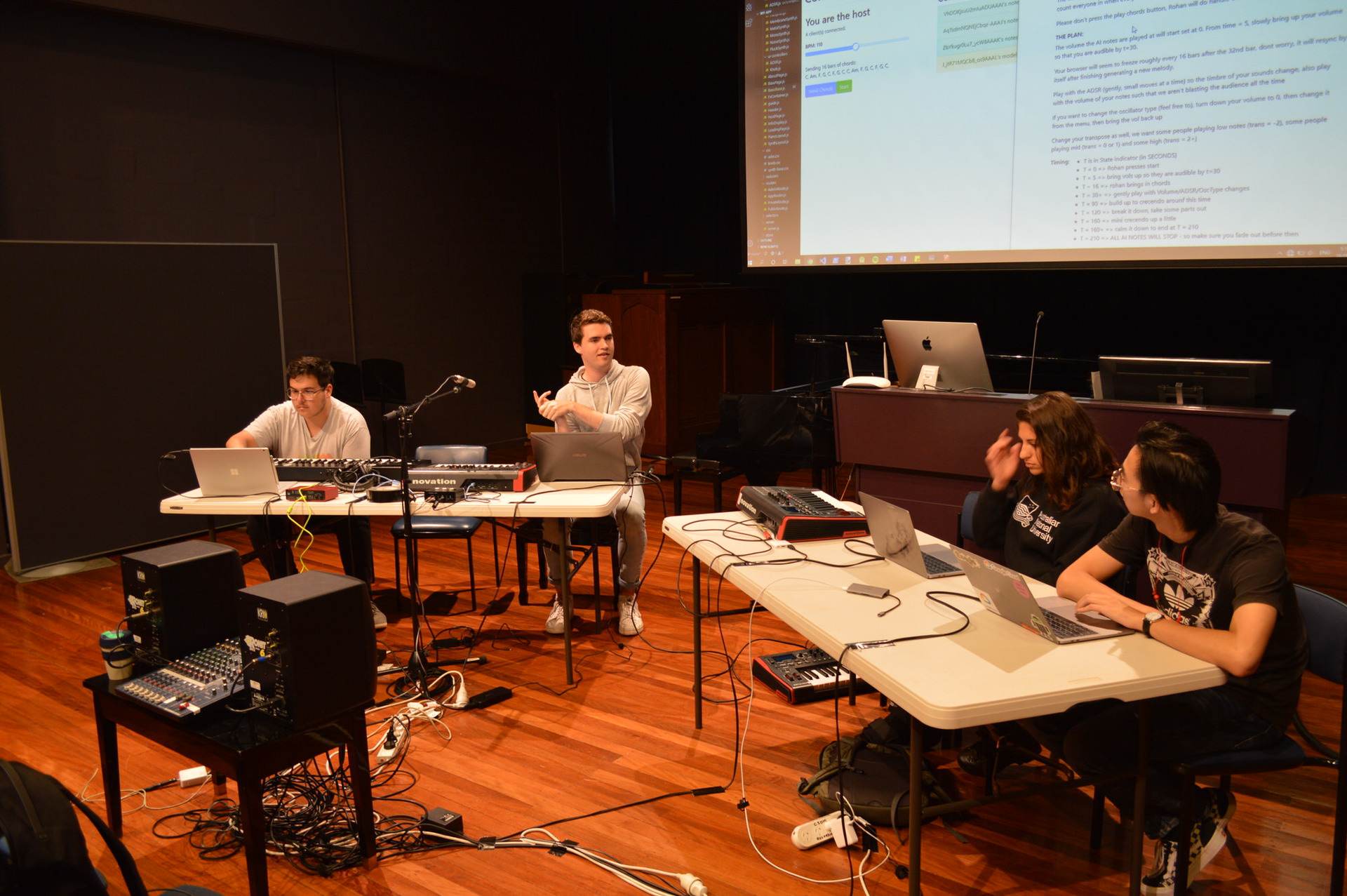
Group Diary: Create a 3min piece in Pure Data (Pd) as a group where every member controls a different aspect of the sound (note the longer duration for group diaries). The process for creating uploading your group diary is a bit different, look on the computer music diary page. (link)
Week 6: interfaces
Solo Diary: Pick someone else’s Pure Data patch from a previous workshop, put a new interface on it, and create a piece. (link)
Week 7: algorithmic composition

No Diary: No computer music diary this week. (link)
Week 8: live coding

Solo Diary: Write a piece with Strudel that has four algorithmic parts: drums, bass, lead, and freaky noises. (link)
Week 9: synth design

It’s another group week! Get organised early so that you can find a time to work with your ensemble. (link)
Week 10: topologies
Solo Diary: Sketch a minimum example of your final performance that tests the topology, or the connections between different performers and parts (can be all in one computer). You can use either Pure Data, Strudel, or both. (link)
Week 11: Drop-In Class
No Diary: No computer music diary this week–your diaries are all done! (link)
Week 12: Drop-In Class
No Diary: No computer music diary this week–your diaries are all done! (link)